What does Leviticus 27:8 mean?
“But if he be poorer than thy estimation, then he shall present himself before the priest, and the priest shall value him; according to his ability that vowed shall the priest value him.” — Leviticus 27:8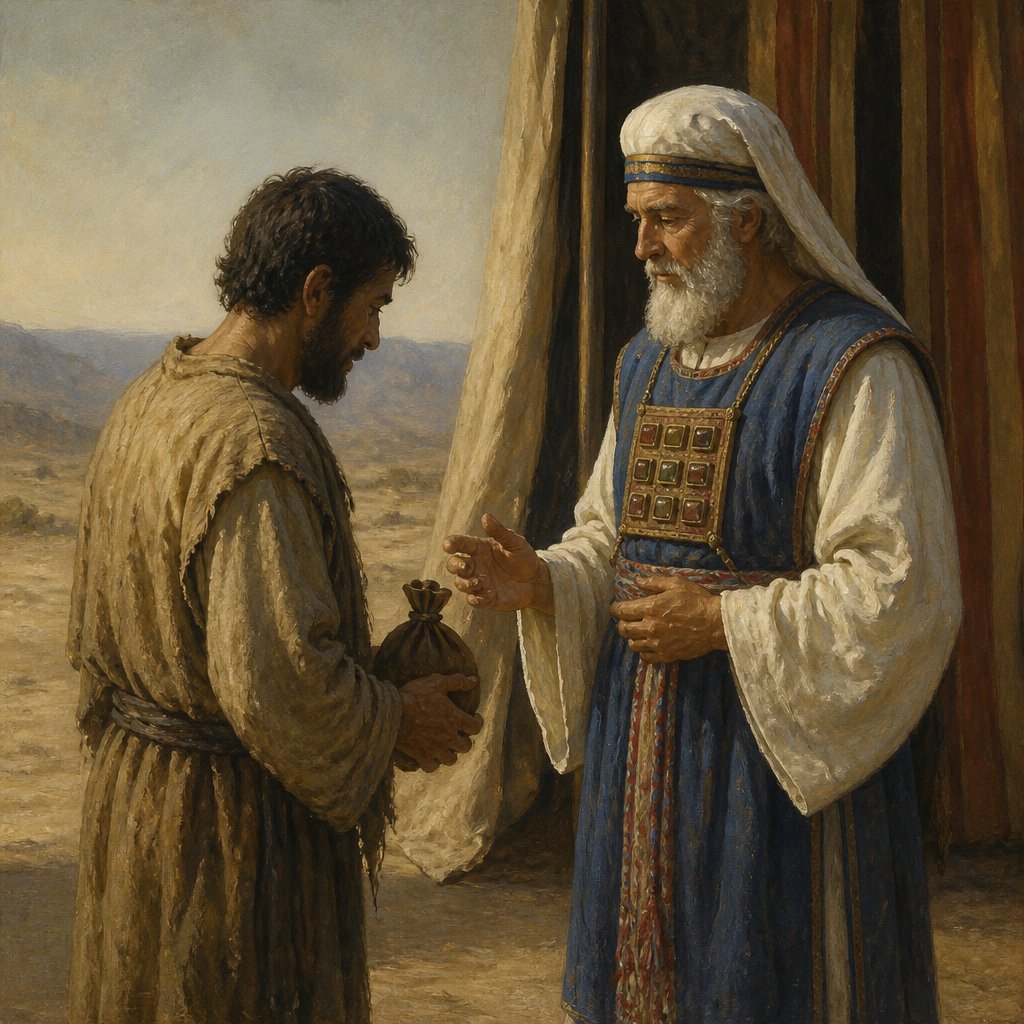
Leviticus 27:8 (KJV) reads, "But if he be poorer than thy estimation, then he shall present himself before the priest, and the priest shall value him; according to his ability that vowed shall the priest value him." This verse is part of a larger portion of the Bible known as the Book of Leviticus, which is the third book of the Old Testament. In the context of the entire book, this verse falls within a section that deals with the laws and regulations concerning offering vows to the Lord.
The Book of Leviticus outlines the guidelines for the Israelites to follow in their worship and daily life. It is primarily concerned with the rules for sacrifices and offerings, the priesthood, and various moral and ceremonial laws. In Leviticus 27, the focus is on vows made to the Lord, and how they are to be fulfilled or redeemed.
In Leviticus 27:8, the verse addresses the situation where someone who has made a vow to the Lord is not able to fulfill the value of their vow. The verse outlines the procedure for such a situation, stating that the person should present themselves before the priest. The priest will then assess the individual's ability to fulfill the vow and value the person accordingly. It is important to note that this valuation is not based on the individual's financial wealth, but rather according to their ability.
One of the underlying themes in this verse is fairness and equality. The Law of Moses was meant to be just and equitable, ensuring that everyone had equal access to the religious and legal systems. In the case of vows, the valuation by the priest is based on the individual's abilities, ensuring that the requirement for fulfilling the vow is reasonable and appropriate for each person's circumstances.
Another theme that can be found in Leviticus 27:8 is the concept of responsibility. When making a vow, an individual is taking on a commitment to the Lord, and this verse emphasizes the importance of fulfilling that commitment. However, it also acknowledges that not everyone may have the means to fulfill their vows in the same way, and thus provides a way for them to do so according to their ability.
Symbolism can also be found in this verse, particularly in the role of the priest. Throughout the Old Testament, the priest served as a mediator between the Israelites and God, offering sacrifices on behalf of the people and interceding for them. In the case of valuing a person for their vow, the priest symbolizes the authority and wisdom in determining what is just and fair in the eyes of God.
Overall, Leviticus 27:8 highlights the importance of integrity and accountability in fulfilling vows made to the Lord. It emphasizes the need for fairness and understanding in the religious and legal practices of the Israelites, and provides a framework for addressing situations where individuals may struggle to fulfill their commitments. This verse also points to the role of the priest as a symbol of authority and fairness in carrying out the laws and rituals of the Israelite community. While these practices may no longer be directly applicable in modern times, the underlying principles of fairness, responsibility, and integrity remain relevant for believers today.
Get our apps


Artwork for Leviticus 27:8
Leviticus 27:8 - "But if he be poorer than thy estimation, then he shall present himself before the priest, and the priest shall value him; according to his ability that vowed shall the priest value him."
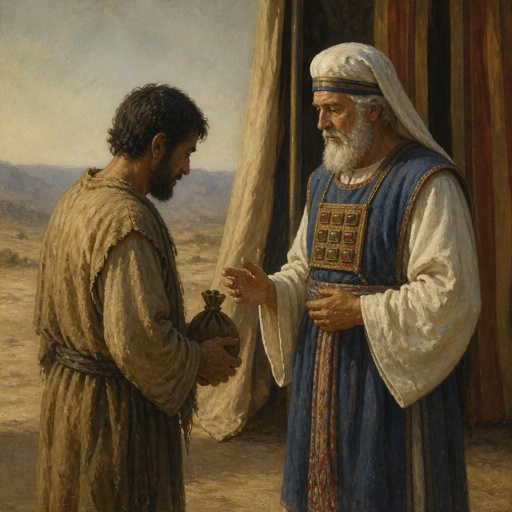
"But if he be poorer than thy estimation, then he shall present himself before the priest, and the priest shall value him; according to his ability that vowed shall the priest value him." - Leviticus 27:8

Leviticus 8:27 - "And he put all upon Aaron's hands, and upon his sons' hands, and waved them for a wave offering before the LORD."

Leviticus 27

Leviticus 27

Leviticus 27

Leviticus 27:1 - "And the LORD spake unto Moses, saying,"

Leviticus 27:4 - "And if it be a female, then thy estimation shall be thirty shekels."
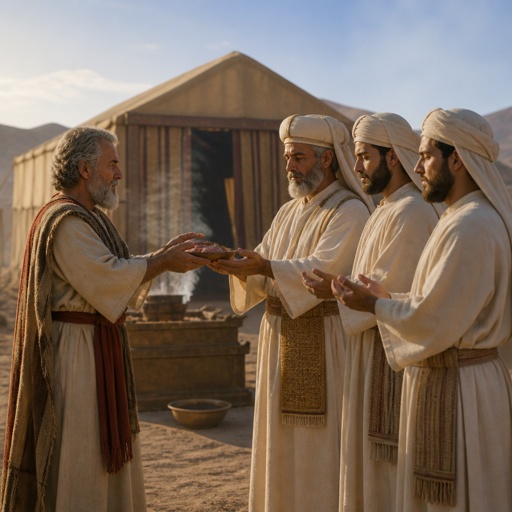
"And he put all upon Aaron's hands, and upon his sons' hands, and waved them for a wave offering before the LORD." - Leviticus 8:27

Leviticus 27:27 - "And if it be of an unclean beast, then he shall redeem it according to thine estimation, and shall add a fifth part of it thereto: or if it be not redeemed, then it shall be sold according to thy estimation."

Leviticus 26:27 - "And if ye will not for all this hearken unto me, but walk contrary unto me;"

Leviticus 27:34 - "These are the commandments, which the LORD commanded Moses for the children of Israel in mount Sinai."

Leviticus 16:8

Leviticus 8:30

Leviticus 27:25 - "And all thy estimations shall be according to the shekel of the sanctuary: twenty gerahs shall be the shekel."
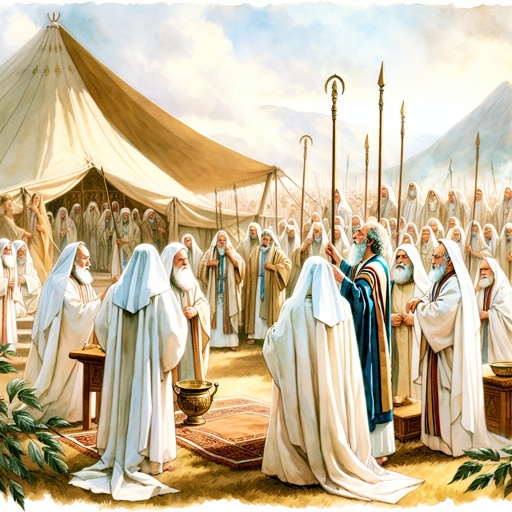
Leviticus 8:1-12

Leviticus 8:8 - "And he put the breastplate upon him: also he put in the breastplate the Urim and the Thummim."

Leviticus 27:13 - "But if he will at all redeem it, then he shall add a fifth part thereof unto thy estimation."

Leviticus 27:30 - "And all the tithe of the land, whether of the seed of the land, or of the fruit of the tree, is the LORD'S: it is holy unto the LORD."

Leviticus 27:17 - "If he sanctify his field from the year of jubile, according to thy estimation it shall stand."

Leviticus 18:27 - "(For all these abominations have the men of the land done, which were before you, and the land is defiled;)"

"And the LORD spake unto Moses, saying," - Leviticus 27:1

Leviticus 27:31 - "And if a man will at all redeem ought of his tithes, he shall add thereto the fifth part thereof."

Leviticus 27:12 - "And the priest shall value it, whether it be good or bad: as thou valuest it, who art the priest, so shall it be."

Psalm 27:8

Psalm 27:8

Leviticus 27:20 - "And if he will not redeem the field, or if he have sold the field to another man, it shall not be redeemed any more."

Leviticus 19:27 - "Ye shall not round the corners of your heads, neither shalt thou mar the corners of thy beard."

Leviticus 27:22 - "And if a man sanctify unto the LORD a field which he hath bought, which is not of the fields of his possession;"

Leviticus 6:8 - "¶ And the LORD spake unto Moses, saying,"