What does Leviticus 2:12 mean?
“As for the oblation of the firstfruits, ye shall offer them unto the LORD: but they shall not be burnt on the altar for a sweet savour.” — Leviticus 2:12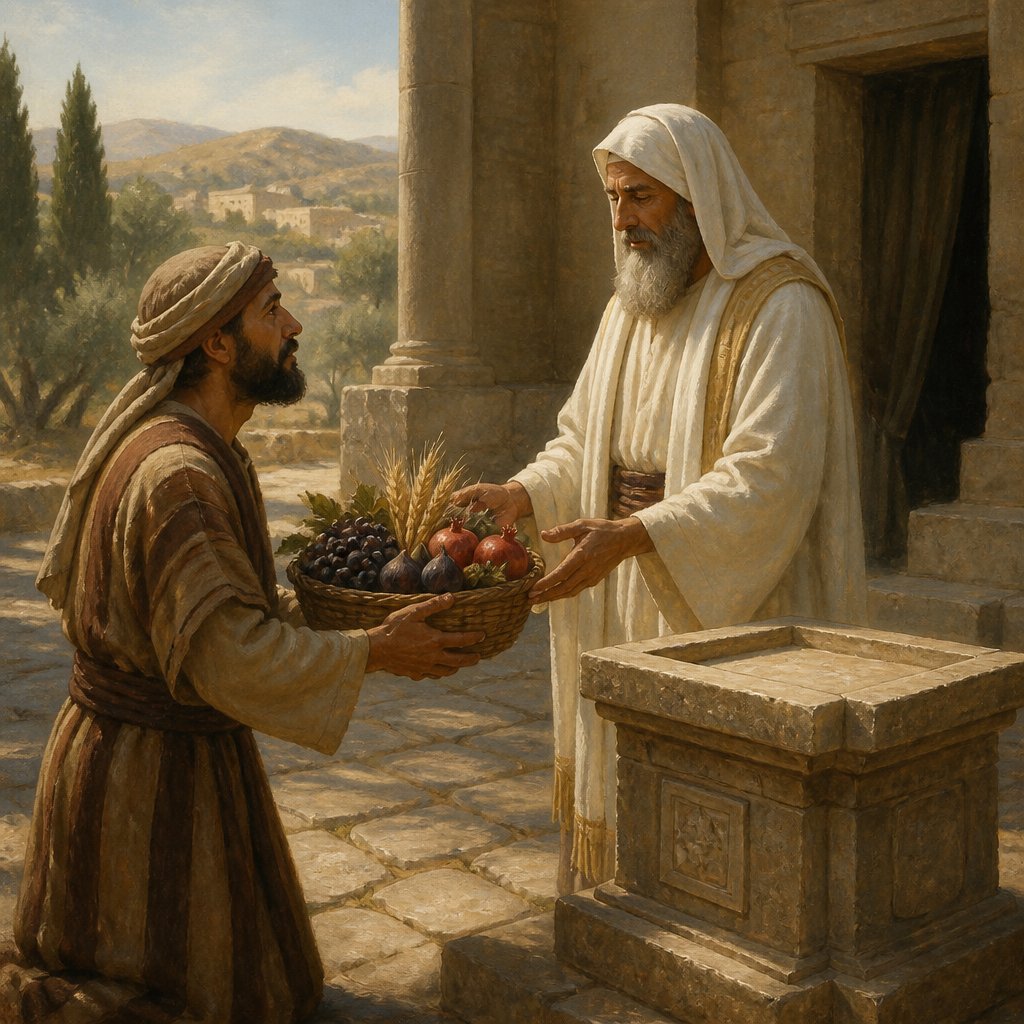
Leviticus 2:12 in the King James Version of the Bible reads, "As for the oblation of the firstfruits, ye shall offer them unto the Lord: but they shall not be burnt on the altar for a sweet savour." This verse is part of a larger passage detailing the various offerings and sacrifices that the Israelites were to make to the Lord. Specifically, this verse refers to the offering of the firstfruits, which were the first and best of the harvest, and the instructions regarding how they were to be offered to the Lord.
In order to fully understand the meaning and significance of this verse, it is important to consider the context in which it was written. Leviticus is the third book of the Bible and it contains a detailed account of the laws and rituals that the Israelites were to follow in order to maintain a proper relationship with God. These laws were given to the Israelites by God through Moses and they were intended to set them apart as a holy and consecrated people. The book of Leviticus outlines various offerings and sacrifices, including the offering of the firstfruits, which were to be presented to the Lord as an act of thanksgiving and dedication.
In Leviticus 2:12, the specific instruction given is that the oblation of the firstfruits was to be offered to the Lord, but it was not to be burnt on the altar for a sweet savour. This indicates that the firstfruits were to be treated differently than other offerings. The phrase "sweet savour" is used throughout the book of Leviticus to describe the pleasing aroma that is produced when an offering is burnt on the altar. In this context, it represents the idea of a pleasing and acceptable sacrifice to the Lord. The fact that the firstfruits were not to be burnt on the altar for a sweet savour suggests that they were set apart as a special and distinct offering.
One possible interpretation of this verse is that the offering of the firstfruits was a symbol of gratitude and recognition of God's provision. By offering the first and best of the harvest to the Lord, the Israelites were acknowledging that all good things come from God and expressing their dependence on Him for sustenance. In this sense, the offering of the firstfruits was an act of worship and devotion, demonstrating the Israelites' faith and trust in God as their provider.
Another important aspect of this verse is the idea of consecration and dedication. By setting aside the firstfruits for the Lord, the Israelites were demonstrating their commitment to honoring God with the best of what they had. This act of consecration was a way of acknowledging God's sovereignty and lordship over every aspect of their lives, including their material possessions.
In a broader sense, the offering of the firstfruits can also be seen as a foreshadowing of the concept of firstfruits in the New Testament. In the New Testament, the concept of firstfruits is used metaphorically to refer to the first and best of a harvest as a symbol of the larger harvest to come. In the same way, the offering of the firstfruits in Leviticus can be seen as a symbol of the greater harvest of blessings and provisions that God has in store for His people.
Overall, Leviticus 2:12 provides a rich and meaningful insight into the themes of gratitude, consecration, and the acknowledgment of God's provision. It serves as a reminder of the importance of giving God the first and best of what we have and recognizing His lordship over every aspect of our lives. This verse continues to be a powerful and relevant message for believers today, encouraging them to offer their firstfruits to the Lord in a spirit of thanksgiving and dedication.
Get our apps


Artwork for Leviticus 2:12

Leviticus 2:12 - "¶ As for the oblation of the firstfruits, ye shall offer them unto the LORD: but they shall not be burnt on the altar for a sweet savour."
"¶ As for the oblation of the firstfruits, ye shall offer them unto the LORD: but they shall not be burnt on the altar for a sweet savour." - Leviticus 2:12
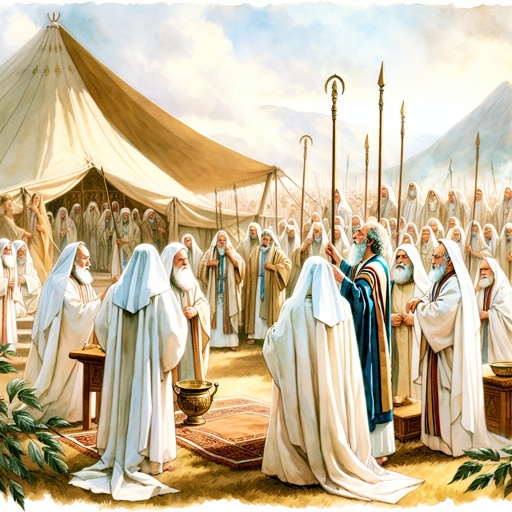
Leviticus 8:1-12
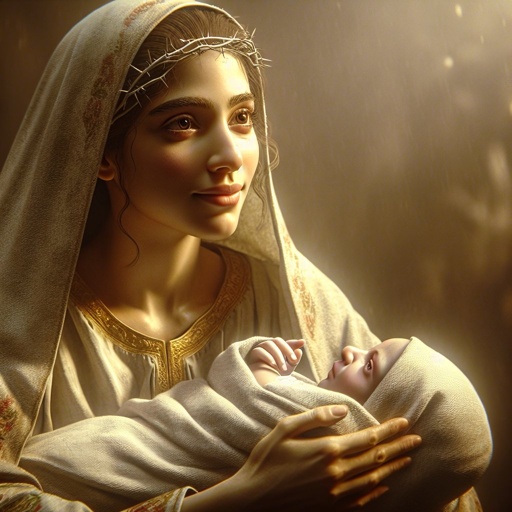
Leviticus 12:2 - "Speak unto the children of Israel, saying, If a woman have conceived seed, and born a man child: then she shall be unclean seven days; according to the days of the separation for her infirmity shall she be unclean."

Leviticus 12:1 - "And the LORD spake unto Moses, saying,"

Leviticus 12:3 - "And in the eighth day the flesh of his foreskin shall be circumcised."

Leviticus 24:12 - "And they put him in ward, that the mind of the LORD might be shewed them."

Leviticus 3:12 - "¶ And if his offering be a goat, then he shall offer it before the LORD."

Leviticus 26:12 - "And I will walk among you, and will be your God, and ye shall be my people."

Leviticus 11:12 - "Whatsoever hath no fins nor scales in the waters, that shall be an abomination unto you."
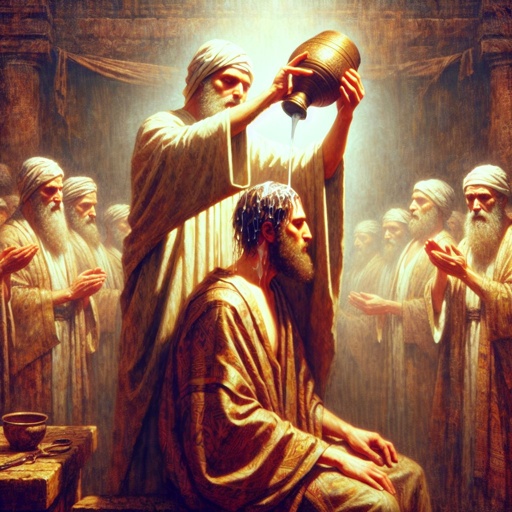
Leviticus 8:12 - "And he poured of the anointing oil upon Aaron's head, and anointed him, to sanctify him."

Leviticus 25:12 - "For it is the jubile; it shall be holy unto you: ye shall eat the increase thereof out of the field."

"And the LORD spake unto Moses, saying," - Leviticus 12:1

Leviticus 18:12 - "Thou shalt not uncover the nakedness of thy father's sister: she is thy father's near kinswoman."

Leviticus 22:12 - "If the priest's daughter also be married unto a stranger, she may not eat of an offering of the holy things."

Leviticus 27:12 - "And the priest shall value it, whether it be good or bad: as thou valuest it, who art the priest, so shall it be."

Leviticus 15:12 - "And the vessel of earth, that he toucheth which hath the issue, shall be broken: and every vessel of wood shall be rinsed in water."

Leviticus 19:12 - "¶ And ye shall not swear by my name falsely, neither shalt thou profane the name of thy God: I am the LORD."

Leviticus 9:12 - "And he slew the burnt offering; and Aaron's sons presented unto him the blood, which he sprinkled round about upon the altar."

"And in the eighth day the flesh of his foreskin shall be circumcised." - Leviticus 12:3

Leviticus 20:10-12 - "Leviticus 20:10-12 If a man commits adultery with another man's wife—with the wife of his neighbor—both the adulterer and the adulteress are to be put to death. If a man has sexual relations with his father’s wife, he has dishonored his father. Both the man and the woman are to be put to death; their blood will be on their own heads. If a man has sexual relations with his daughter-in-law, both of them are to be put to death. What they have done is a perversion; their blood will be on their own heads."

"¶ And if his offering be a goat, then he shall offer it before the LORD." - Leviticus 3:12

Leviticus 20:12 - "And if a man lie with his daughter in law, both of them shall surely be put to death: they have wrought confusion; their blood shall be upon them."

Leviticus 14:12 - "And the priest shall take one he lamb, and offer him for a trespass offering, and the log of oil, and wave them for a wave offering before the LORD:"

Leviticus 23:12 - "And ye shall offer that day when ye wave the sheaf an he lamb without blemish of the first year for a burnt offering unto the LORD."
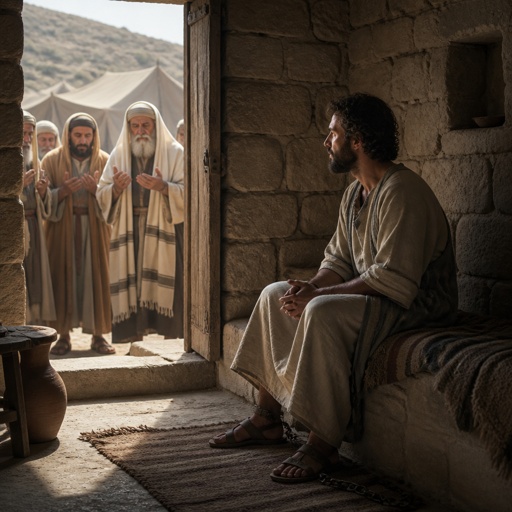
"And they put him in ward, that the mind of the LORD might be shewed them." - Leviticus 24:12

Leviticus 12:5 - "But if she bear a maid child, then she shall be unclean two weeks, as in her separation: and she shall continue in the blood of her purifying threescore and six days."

Leviticus 16:12 make the censor obvious. Make the Priest a Hebrew, and have his Garments on.

Leviticus 2:6 - "Thou shalt part it in pieces, and pour oil thereon: it is a meat offering."
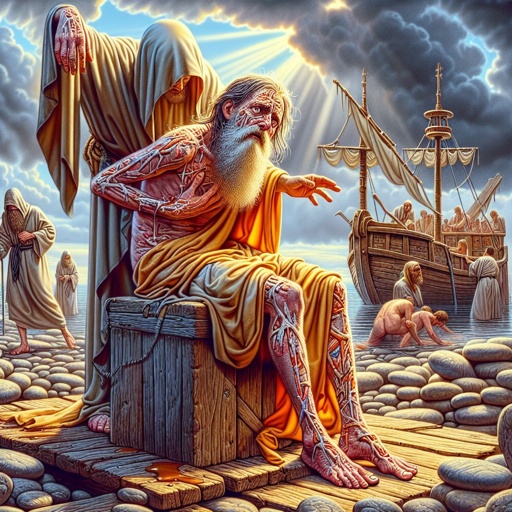
Leviticus 13:12 - "And if a leprosy break out abroad in the skin, and the leprosy cover all the skin of him that hath the plague from his head even to his foot, wheresoever the priest looketh;"