What does Leviticus 2:5 mean?
“And if thy oblation be a meat offering baken in a pan, it shall be of fine flour unleavened, mingled with oil.” — Leviticus 2:5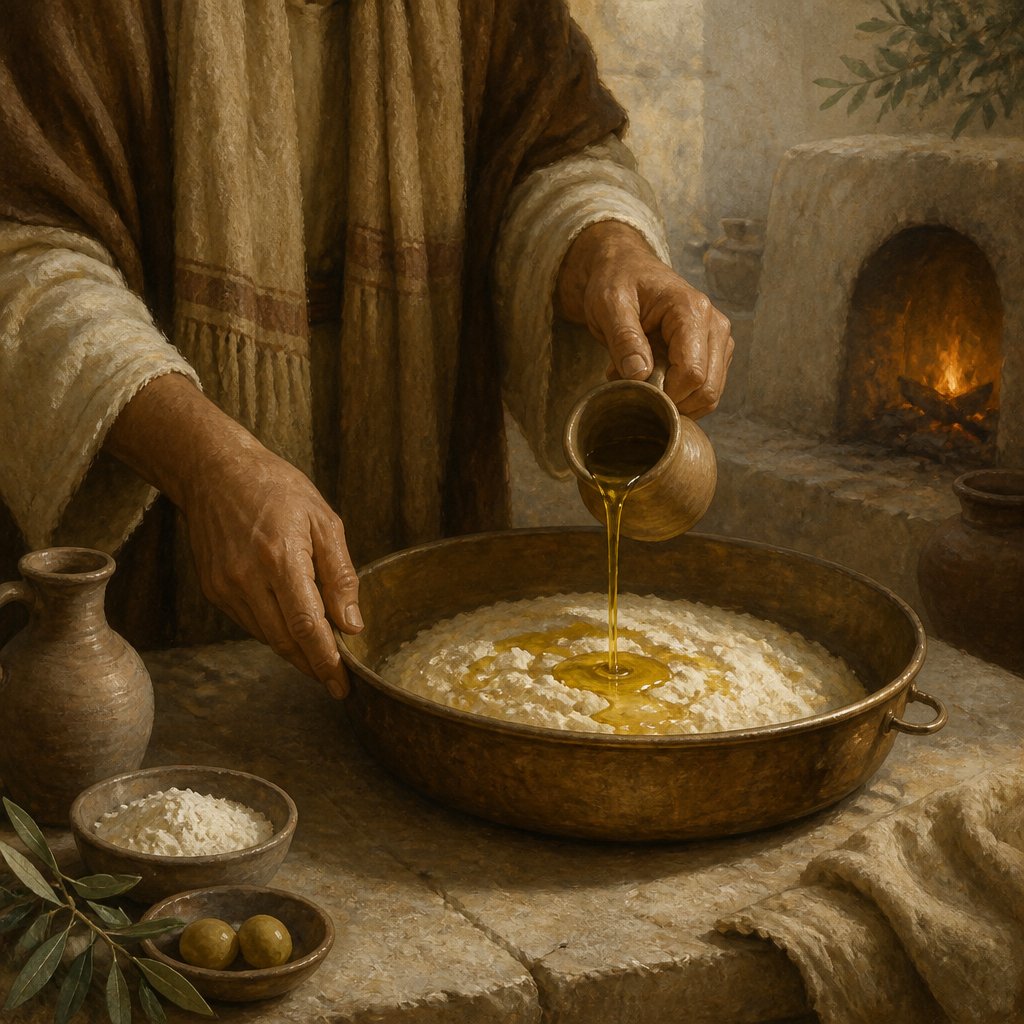
Leviticus 2:5 (KJV) says, "And if thy oblation be a meat offering baken in a pan, it shall be of fine flour unleavened, mingled with oil."
The Book of Leviticus is the third book of the Bible and is a part of the Pentateuch, the first five books of the Hebrew Bible. This book focuses on laws and rituals, providing instructions for the Israelites on how to live and worship God. Leviticus 2:5 is part of a passage that details the regulations for grain offerings, also known as meat offerings, a specific type of sacrifice made to God.
In this verse, God sets specific guidelines for the preparation of a grain offering. The offering must be made of fine flour, which is a symbol of purity and refinement. The use of fine flour symbolizes the Israelites' desire to present the best and most valuable to God. Additionally, the flour must be unleavened, meaning it is free from yeast, which was symbolic of impurity and sin in Hebrew tradition. By using unleavened flour, the Israelites were demonstrating their commitment to presenting pure and sinless offerings to God.
The verse also specifies that the flour must be mingled with oil. Oil has several symbolic meanings in the Bible, including anointing, healing, and abundance. In this context, the use of oil represents the Israelites' desire for God's blessing and favor upon their offerings. By mingling the flour with oil, they were symbolically infusing their sacrifice with the richness and abundance of God's blessings.
The act of baking the offering in a pan is also significant. In ancient Israel, baking bread was a common household activity, and using a pan to bake the offering would have been a familiar and relatable image to the people. This would have made the ritual and offering more accessible and understandable to the Israelites, as it would have mirrored their daily activities. Additionally, the use of a pan signifies the care and attention the Israelites were to give to their offerings, ensuring that they were prepared with meticulousness and dedication.
In a broader context, Leviticus 2:5 is part of a larger theme of obedience and worship. The regulations for grain offerings were designed to teach the Israelites about the importance of approaching God with reverence, humility, and purity. By following these specific instructions, the Israelites were demonstrating their obedience to God and their willingness to honor Him through their worship. This theme of obedience and worship is central to the book of Leviticus, as it emphasizes the importance of living in accordance with God's commandments and seeking His presence in all aspects of life.
Furthermore, the grain offering itself symbolizes the Israelites' gratitude and dependence on God. By presenting their finest flour to God, the Israelites were acknowledging His provision and expressing their thankfulness for His blessings. This act of gratitude and dependence is a recurring theme throughout the Bible, highlighting the importance of acknowledging God's sovereignty and provision in all aspects of life.
In conclusion, Leviticus 2:5 provides specific instructions for the preparation of a grain offering to God. Through the use of fine flour, unleavened and mingled with oil, the Israelites were symbolically demonstrating their purity, dedication, and dependence on God. This verse is part of the broader theme of obedience and worship, emphasizing the importance of approaching God with reverence and gratitude. Ultimately, Leviticus 2:5 serves as a reminder of the Israelites' commitment to honoring God through their offerings and their desire to seek His favor and blessing.
Get our apps


Artwork for Leviticus 2:5
Leviticus 2:5 - "¶ And if thy oblation be a meat offering baken in a pan, it shall be of fine flour unleavened, mingled with oil."
"¶ And if thy oblation be a meat offering baken in a pan, it shall be of fine flour unleavened, mingled with oil." - Leviticus 2:5

Leviticus 5:2 - "Or if a soul touch any unclean thing, whether it be a carcase of an unclean beast, or a carcase of unclean cattle, or the carcase of unclean creeping things, and if it be hidden from him; he also shall be unclean, and guilty."
Leviticus 5:14 - "¶ And the LORD spake unto Moses, saying,"

Leviticus 5:5 - "And it shall be, when he shall be guilty in one of these things, that he shall confess that he hath sinned in that thing:"

Leviticus 23:5 - "In the fourteenth day of the first month at even is the LORD'S passover."

Leviticus 5:19 - "It is a trespass offering: he hath certainly trespassed against the LORD."

Leviticus 8:5 - "And Moses said unto the congregation, This is the thing which the LORD commanded to be done."
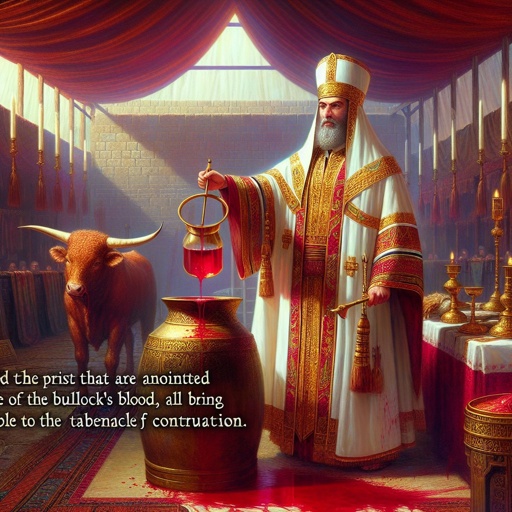
Leviticus 4:5 - "And the priest that is anointed shall take of the bullock's blood, and bring it to the tabernacle of the congregation:"

Leviticus 10:5 - "So they went near, and carried them in their coats out of the camp; as Moses had said."

Leviticus 14:5 - "And the priest shall command that one of the birds be killed in an earthen vessel over running water:"

Leviticus 11:5 - "And the coney, because he cheweth the cud, but divideth not the hoof; he is unclean unto you."

Leviticus 19:5 - "¶ And if ye offer a sacrifice of peace offerings unto the LORD, ye shall offer it at your own will."

"¶ And the LORD spake unto Moses, saying," - Leviticus 5:14

Leviticus 7:5 - "And the priest shall burn them upon the altar for an offering made by fire unto the LORD: it is a trespass offering."

Leviticus 9:5 - "¶ And they brought that which Moses commanded before the tabernacle of the congregation: and all the congregation drew near and stood before the LORD."

Leviticus 15:5 - "And whosoever toucheth his bed shall wash his clothes, and bathe himself in water, and be unclean until the even."

Leviticus 16:5 - "And he shall take of the congregation of the children of Israel two kids of the goats for a sin offering, and one ram for a burnt offering."
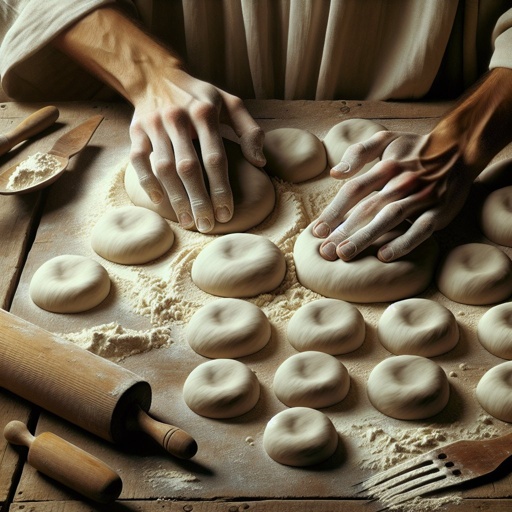
Leviticus 24:5 - "¶ And thou shalt take fine flour, and bake twelve cakes thereof: two tenth deals shall be in one cake."

Leviticus 21:5 - "They shall not make baldness upon their head, neither shall they shave off the corner of their beard, nor make any cuttings in their flesh."
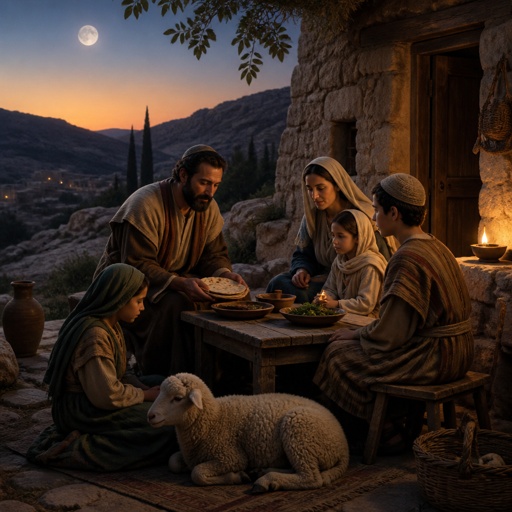
"In the fourteenth day of the first month at even is the LORD'S passover." - Leviticus 23:5
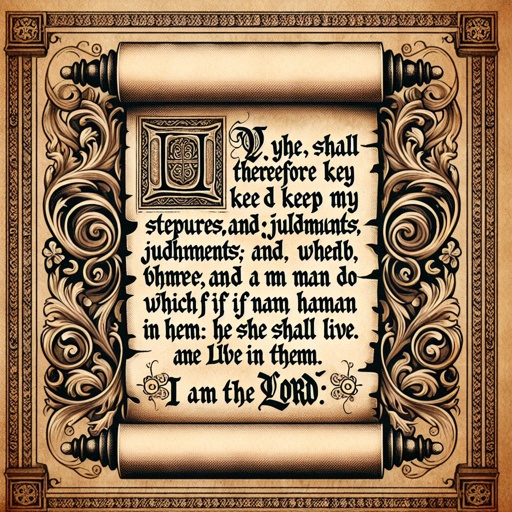
Leviticus 18:5 - "Ye shall therefore keep my statutes, and my judgments: which if a man do, he shall live in them: I am the LORD."

Leviticus 27:5 - "And if it be from five years old even unto twenty years old, then thy estimation shall be of the male twenty shekels, and for the female ten shekels."

Leviticus 5:9 - "And he shall sprinkle of the blood of the sin offering upon the side of the altar; and the rest of the blood shall be wrung out at the bottom of the altar: it is a sin offering."

Leviticus 2:6 - "Thou shalt part it in pieces, and pour oil thereon: it is a meat offering."

"It is a trespass offering: he hath certainly trespassed against the LORD." - Leviticus 5:19

Leviticus 3:5 - "And Aaron's sons shall burn it on the altar upon the burnt sacrifice, which is upon the wood that is on the fire: it is an offering made by fire, of a sweet savour unto the LORD."

Leviticus 5:1 - "And if a soul sin, and hear the voice of swearing, and is a witness, whether he hath seen or known of it; if he do not utter it, then he shall bear his iniquity."
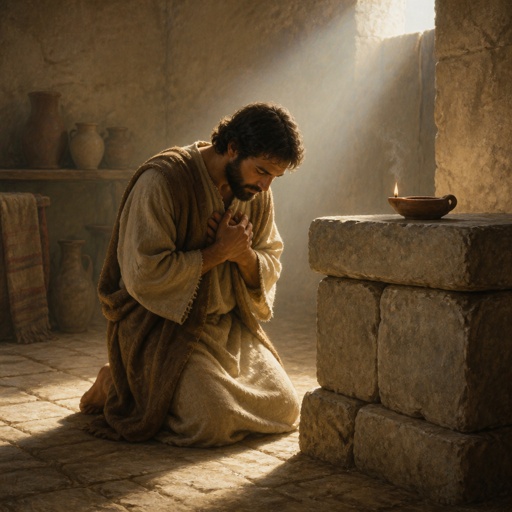
"And it shall be, when he shall be guilty in one of these things, that he shall confess that he hath sinned in that thing:" - Leviticus 5:5

Leviticus 5:3 - "Or if he touch the uncleanness of man, whatsoever uncleanness it be that a man shall be defiled withal, and it be hid from him; when he knoweth of it, then he shall be guilty."