What does Leviticus 4:23 mean?
“Or if his sin, wherein he hath sinned, come to his knowledge; he shall bring his offering, a kid of the goats, a male without blemish:” — Leviticus 4:23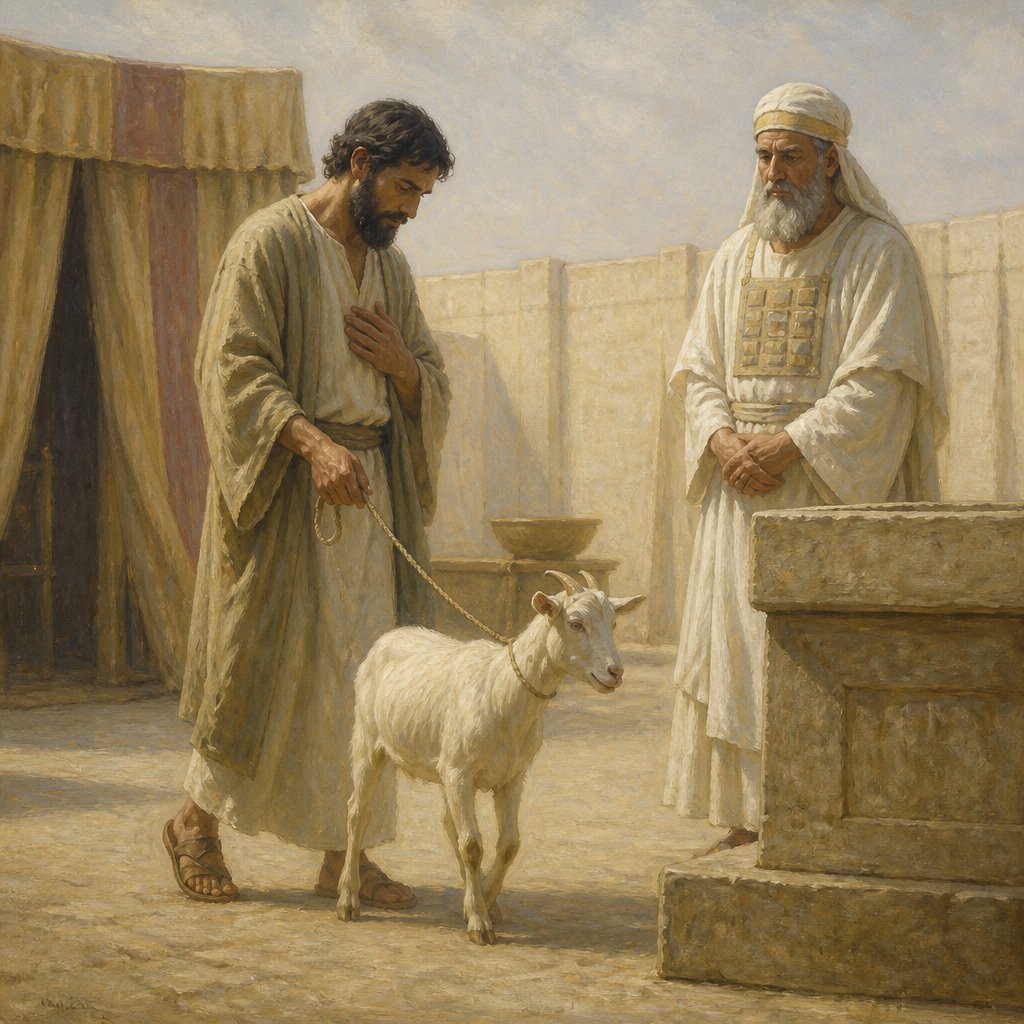
Leviticus 4:23 (KJV) reads: "Or if his sin, wherein he hath sinned, come to his knowledge; he shall bring his offering, a kid of the goats, a male without blemish."
The book of Leviticus is the third book of the Hebrew Bible and the Old Testament. It is traditionally attributed to Moses and is a central text for Jewish laws and practices. Leviticus 4 focuses on sin offerings and the procedures for atonement when one has sinned unintentionally.
In verse 23, the emphasis is on the individual coming to the realization of their sin. The verse starts by saying "Or if his sin, wherein he hath sinned, come to his knowledge." This signifies the moment of awareness and acknowledgment of one's wrongdoing. It is a crucial aspect of seeking forgiveness and reconciliation with God.
The prescribed offering for the sin mentioned in this verse is "a kid of the goats, a male without blemish." In the context of the ancient Israelite sacrificial system, the selection of an unblemished male goat underscores the need for a perfect, untainted sacrifice. This offering serves as a tangible way for the individual to express their remorse and seek reconciliation with God.
Symbolically, the unblemished male goat represents purity and innocence, qualities that are in stark contrast to the sinful nature of humanity. This parallels the Christian belief in Jesus Christ as the ultimate and perfect sacrifice for the atonement of sins. In Christian theology, Jesus is often referred to as the "Lamb of God" who takes away the sins of the world, drawing a connection between the sacrificial practices of the Old Testament and the redemptive work of Christ in the New Testament.
The act of bringing forth an offering also demonstrates the individual's willingness to take responsibility for their actions and seek reconciliation with God. It signifies humility, contrition, and a desire to make amends. This act of offering a sacrifice serves as a physical manifestation of the individual's inner repentance and desire for forgiveness.
In a broader sense, Leviticus 4:23 conveys the universal human experience of recognizing and grappling with one's own moral failings. It emphasizes the significance of owning up to one's mistakes and seeking a path towards redemption. The verse highlights the need for individuals to confront their sins, rather than ignore or rationalize them, and take active steps towards making things right with both God and others.
The themes of sin, repentance, and forgiveness are central to the biblical narrative, and Leviticus 4:23 provides a specific framework for addressing these themes within the context of ancient Jewish religious practices. The verse prompts readers to reflect on the nature of sin and the steps required for genuine reconciliation with God.
In conclusion, Leviticus 4:23 in the King James Version offers a profound insight into the complexities of human morality, emphasizing the need for acknowledgment of sin, the pursuit of atonement, and the symbolism of a sacrificial offering. It also points to the broader theological significance of these themes within the Judeo-Christian tradition, underscoring the deep-seated human longing for forgiveness and spiritual restoration.
Get our apps


Artwork for Leviticus 4:23

Leviticus 4:23 - "Or if his sin, wherein he hath sinned, come to his knowledge; he shall bring his offering, a kid of the goats, a male without blemish:"
"Or if his sin, wherein he hath sinned, come to his knowledge; he shall bring his offering, a kid of the goats, a male without blemish:" - Leviticus 4:23

Leviticus 23:4 - "¶ These are the feasts of the LORD, even holy convocations, which ye shall proclaim in their seasons."

Leviticus 23:23 - "¶ And the LORD spake unto Moses, saying,"
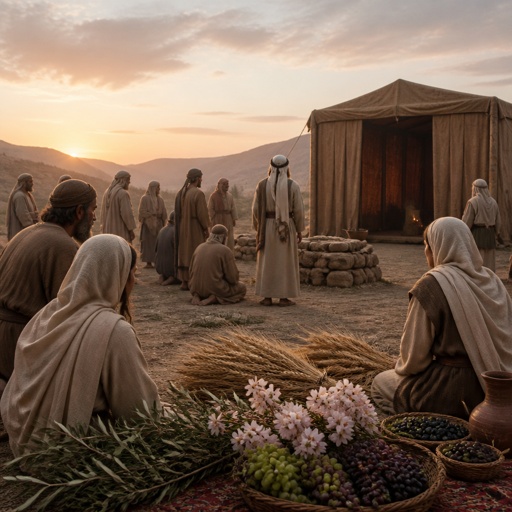
"¶ These are the feasts of the LORD, even holy convocations, which ye shall proclaim in their seasons." - Leviticus 23:4

Leviticus 23:21

Leviticus 23:21

Leviticus 23:21

Leviticus 23:21

Leviticus 23:21

Leviticus 23:20

Leviticus 23:21

Leviticus 23:15-22

Leviticus 23:17-22

Leviticus 24:20-23

"¶ And the LORD spake unto Moses, saying," - Leviticus 23:23

Leviticus 23:26 - "¶ And the LORD spake unto Moses, saying,"

Leviticus 23:1 - "And the LORD spake unto Moses, saying,"

Leviticus 23:33 - "¶ And the LORD spake unto Moses, saying,"

Leviticus 23:9 - "¶ And the LORD spake unto Moses, saying,"

Leviticus 23:5 - "In the fourteenth day of the first month at even is the LORD'S passover."

Leviticus 23:44 - "And Moses declared unto the children of Israel the feasts of the LORD."

Leviticus 26:23 - "And if ye will not be reformed by me by these things, but will walk contrary unto me;"

the jewish holidays mentioned in leviticus 23:1 until 23:40 combined in one picture,

Leviticus 6:23 - "For every meat offering for the priest shall be wholly burnt: it shall not be eaten."

Leviticus 25:23 - "¶ The land shall not be sold for ever: for the land is mine; for ye are strangers and sojourners with me."

Leviticus 23:35 - "On the first day shall be an holy convocation: ye shall do no servile work therein."

Leviticus 26: 4-6

the jewish holidays mentioned in leviticus 23:1 until 23:40 combined in one picture, with hebrew names in hebrew charactes

Leviticus 23:42 - "Ye shall dwell in booths seven days; all that are Israelites born shall dwell in booths:"