What does Leviticus 4:35 mean?
“And he shall take away all the fat thereof, as the fat of the lamb is taken away from the sacrifice of the peace offerings; and the priest shall burn them upon the altar, according to the offerings made by fire unto the LORD: and the priest shall make an atonement for his sin that he hath committed, and it shall be forgiven him.” — Leviticus 4:35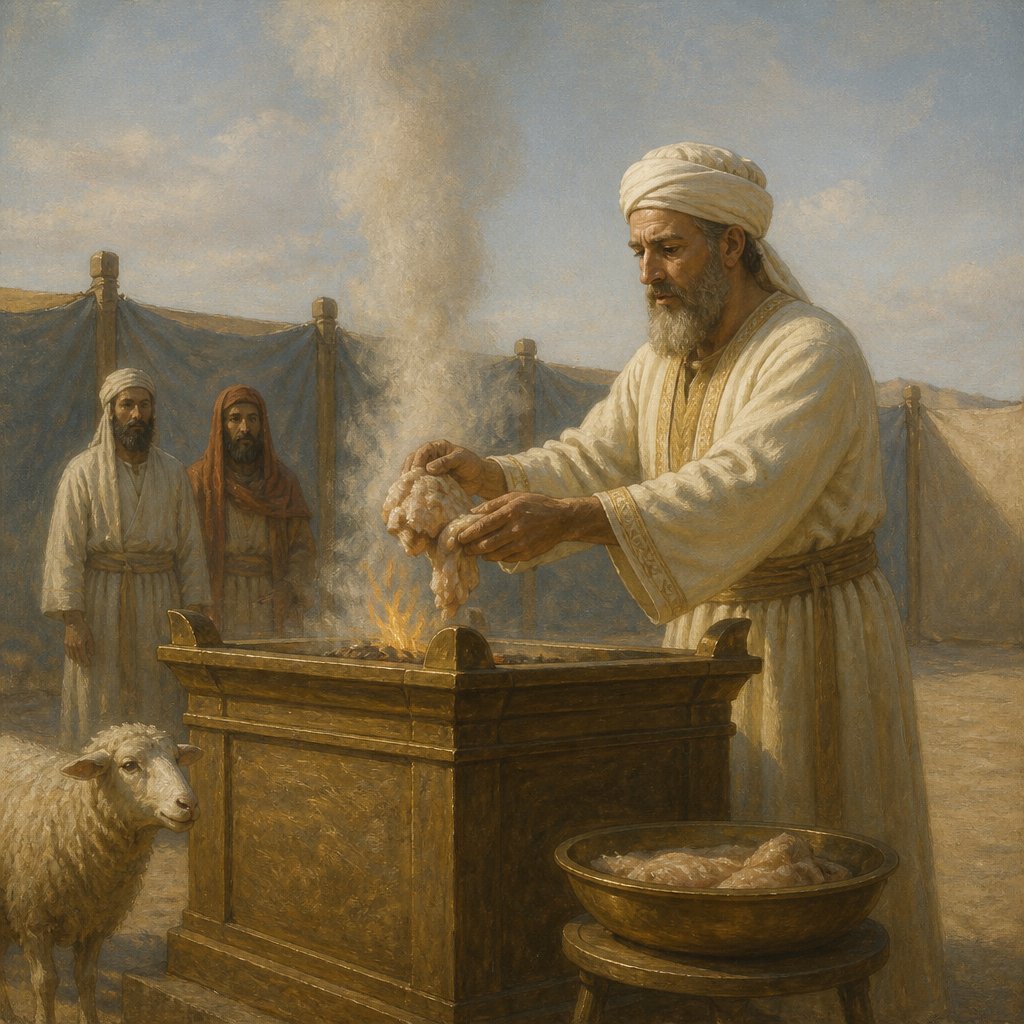
Leviticus 4:35 (KJV) reads: "And he shall take away all the fat thereof, as the fat of the lamb is taken away from the sacrifice of the peace offerings; and the priest shall burn them upon the altar, according to the offerings made by fire unto the Lord: and the priest shall make an atonement for his sin that he hath committed, and it shall be forgiven him."
In order to fully understand the meaning and significance of this verse, it is important to consider the context in which it is found. Leviticus is a book of the Bible that is primarily concerned with the religious practices and rituals of the Israelite people, as well as the laws and regulations governing their behavior. In this particular verse, the focus is on the process of making atonement for sin through the offering of sacrifices.
The verse begins by instructing the priest to remove all the fat from the sacrifice, specifically likening it to the fat of a lamb offered as a peace offering. In ancient Israelite culture, the fat of an animal was seen as the choicest and most valuable part of the sacrifice. By removing and burning the fat, the offeror was demonstrating his willingness to give up something of great value in order to seek forgiveness and reconciliation with God.
The act of burning the fat on the altar is significant in that it symbolizes the offering being consumed by God, thereby creating a connection between the offeror and the divine. The fire on the altar was seen as a purifying and sanctifying force, and by burning the fat, the offeror was seeking to cleanse himself of sin and impurity.
The verse goes on to state that the priest shall make an atonement for the sin committed by the offeror, and that it shall be forgiven. This emphasizes the role of the priest as an intermediary between the people and God, as well as the efficacy of the sacrificial system in providing a means of reconciliation with the divine.
The broader theme of atonement and forgiveness is central to this verse, as well as to the entire book of Leviticus. The Israelites believed that sin created a separation between them and God, and that atonement was necessary in order to restore their relationship with the divine. The sacrificial system provided a way for them to seek forgiveness and grace, and to be reconciled with God.
The symbolism of the sacrifice, particularly the removal of the fat and its burning on the altar, points to the idea of giving up something valuable in order to seek reconciliation with God. It also underscores the concept of purification and sanctification, as the act of burning the fat on the altar was believed to cleanse the offeror of sin and impurity.
Overall, Leviticus 4:35 serves as a reminder of the importance of atonement and forgiveness in the Israelite religious tradition. It highlights the significance of the sacrificial system as a way for the people to seek reconciliation with God, and underscores the role of the priest as a mediator between the human and the divine. The verse also carries a message of hope and grace, as it reassures the offeror that his sin shall be forgiven through the atonement made by the priest.
Get our apps


Artwork for Leviticus 4:35

Leviticus 4:35 - "And he shall take away all the fat thereof, as the fat of the lamb is taken away from the sacrifice of the peace offerings; and the priest shall burn them upon the altar, according to the offerings made by fire unto the LORD: and the priest shall make an atonement for his sin that he hath committed, and it shall be forgiven him."
"And he shall take away all the fat thereof, as the fat of the lamb is taken away from the sacrifice of the peace offerings; and the priest shall burn them upon the altar, according to the offerings made by fire unto the LORD: and the priest shall make an atonement for his sin that he hath committed, and it shall be forgiven him." - Leviticus 4:35

Leviticus 13:35 - "But if the scall spread much in the skin after his cleansing;"

Leviticus 19:35 - "¶ Ye shall do no unrighteousness in judgment, in meteyard, in weight, or in measure."

Leviticus 23:35 - "On the first day shall be an holy convocation: ye shall do no servile work therein."

Leviticus 14:35 - "And he that owneth the house shall come and tell the priest, saying, It seemeth to me there is as it were a plague in the house:"

Leviticus 26:35 - "As long as it lieth desolate it shall rest; because it did not rest in your sabbaths, when ye dwelt upon it."

"But if the scall spread much in the skin after his cleansing;" - Leviticus 13:35

Mark 4:35-41

Mark 4:35-37

"¶ Ye shall do no unrighteousness in judgment, in meteyard, in weight, or in measure." - Leviticus 19:35

Leviticus 25:35 - "¶ And if thy brother be waxen poor, and fallen in decay with thee; then thou shalt relieve him: yea, though he be a stranger, or a sojourner; that he may live with thee."

Leviticus 8:35 - "Therefore shall ye abide at the door of the tabernacle of the congregation day and night seven days, and keep the charge of the LORD, that ye die not: for so I am commanded."

Job 35:4 - "I will answer thee, and thy companions with thee."

Leviticus 7:35 - "¶ This is the portion of the anointing of Aaron, and of the anointing of his sons, out of the offerings of the LORD made by fire, in the day when he presented them to minister unto the LORD in the priest's office;"

Leviticus 11:35 - "And every thing whereupon any part of their carcase falleth shall be unclean; whether it be oven, or ranges for pots, they shall be broken down: for they are unclean, and shall be unclean unto you."

Leviticus 26: 4-6

1 Chronicles 4:35 - "And Joel, and Jehu the son of Josibiah, the son of Seraiah, the son of Asiel,"

Leviticus 26: 4-6

Leviticus 26: 4-6
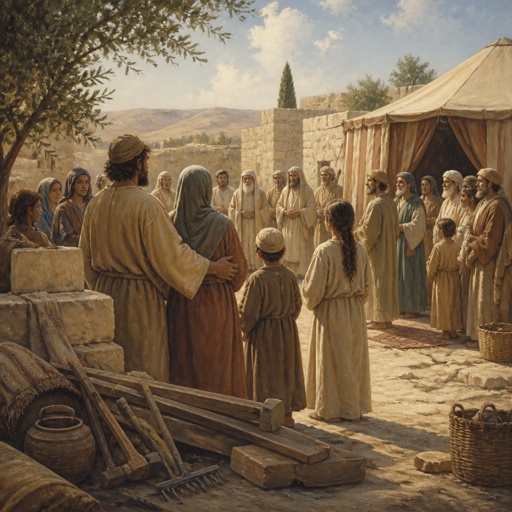
"On the first day shall be an holy convocation: ye shall do no servile work therein." - Leviticus 23:35

Leviticus 4:1 - "And the LORD spake unto Moses, saying,"

Leviticus 27:4 - "And if it be a female, then thy estimation shall be thirty shekels."

Exodus 35:4 - "¶ And Moses spake unto all the congregation of the children of Israel, saying, This is the thing which the LORD commanded, saying,"

Deuteronomy 4:35 - "Unto thee it was shewed, that thou mightest know that the LORD he is God; there is none else beside him."

Leviticus 19:35-36 - "Do not use dishonest standards when measuring length, weight or quantity. Use honest scales and honest weights, an honest ephah and an honest hin. I am the LORD your God, who brought you out of Egypt."

Acts 4:35 - "And laid them down at the apostles' feet: and distribution was made unto every man according as he had need."

"I will answer thee, and thy companions with thee." - Job 35:4
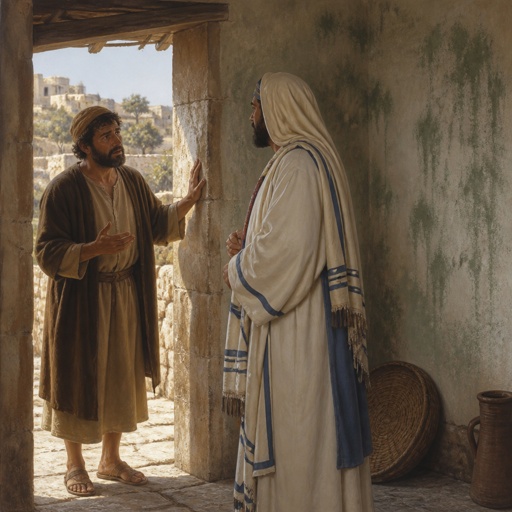
"And he that owneth the house shall come and tell the priest, saying, It seemeth to me there is as it were a plague in the house:" - Leviticus 14:35

Leviticus 4:16 - "And the priest that is anointed shall bring of the bullock's blood to the tabernacle of the congregation:"