What does Leviticus 6:11 mean?
“And he shall put off his garments, and put on other garments, and carry forth the ashes without the camp unto a clean place.” — Leviticus 6:11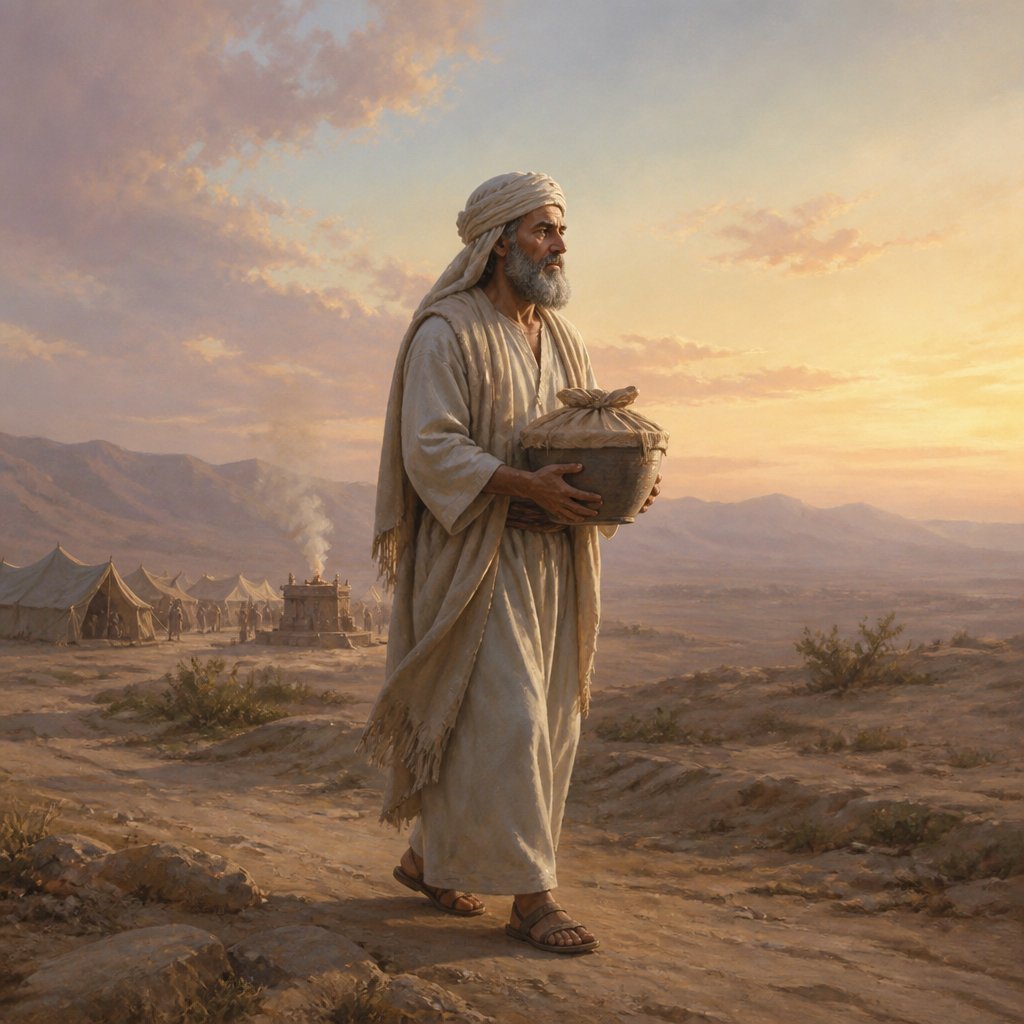
Leviticus 6:11 in the King James Version reads, "And he shall put off his garments, and put on other garments, and carry forth the ashes without the camp unto a clean place."
In order to understand the significance of Leviticus 6:11, it is important to put it into the context of the entire book of Leviticus. Leviticus is the third book of the Hebrew Bible and it is a part of the Pentateuch, which consists of the first five books of the Bible. The book of Leviticus focuses on the laws and rituals of the Israelite people, particularly in relation to their worship of God and their moral conduct. In the earlier chapters, the book discusses the various offerings and sacrifices that were to be made by the people. Leviticus 6 is specifically focused on the laws regarding the burnt offering and the grain offering, and Leviticus 6:11 falls within this section.
In this verse, the instructions are given for the priest who is responsible for dealing with the ashes from the burnt offering. After removing his priestly garments, he is to put on different garments and then carry the ashes outside the camp to a clean place.
One of the key themes that emerges from Leviticus 6:11 is the concept of cleanliness and purity. The act of carrying the ashes outside the camp to a clean place signifies the importance of maintaining purity and holiness in the worship of God. The ashes from the burnt offerings were considered to be holy, and they needed to be disposed of in a manner that reflected this holiness. The priest needed to change his garments before carrying out this task, emphasizing the need for personal purity and reverence in the handling of sacred objects.
The symbolism in this verse is also significant. The act of removing the old garments and putting on new ones can be seen as a symbol of transformation and renewal. The priest is shedding his old clothing, which may have been soiled by the ashes, and putting on fresh, clean garments before performing his sacred duty. This act of changing clothes can be seen as a ritualistic symbol of leaving behind impurity and embracing purity.
Additionally, the act of carrying the ashes outside the camp can be interpreted as a symbol of removing impurity from the community. By taking the ashes to a clean place, the priest is ensuring that the camp remains pure and untainted by any remnants of the burnt offering. This reinforces the importance of maintaining a clean and holy environment in the worship of God.
In a broader sense, Leviticus 6:11 can be seen as a reflection of the Israelites' commitment to maintaining their relationship with God through obedience to His laws and rituals. The careful handling of the ashes from the burnt offerings demonstrates their dedication to honoring God in every aspect of their worship.
Overall, Leviticus 6:11 provides important insights into the significance of cleanliness, purity, and reverence in the worship of God. It serves as a reminder of the importance of maintaining holiness in all aspects of life and the need to approach God with respect and reverence. The symbolism and themes in this verse continue to hold relevance for modern-day believers, serving as a reminder of the importance of maintaining purity and holiness in our relationship with God.
Get our apps


Artwork for Leviticus 6:11

Leviticus 6:11 - "And he shall put off his garments, and put on other garments, and carry forth the ashes without the camp unto a clean place."
"And he shall put off his garments, and put on other garments, and carry forth the ashes without the camp unto a clean place." - Leviticus 6:11

Leviticus 11:6 - "And the hare, because he cheweth the cud, but divideth not the hoof; he is unclean unto you."
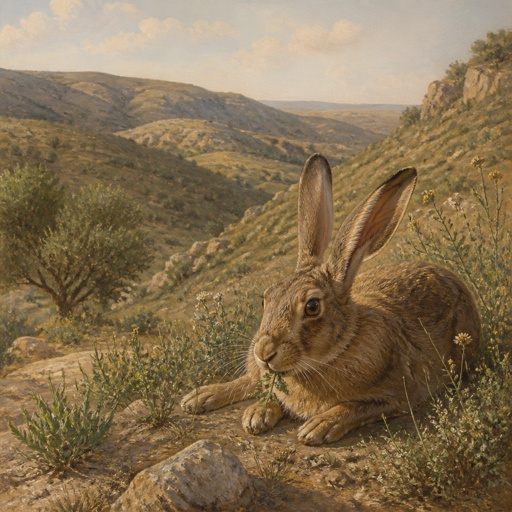
"And the hare, because he cheweth the cud, but divideth not the hoof; he is unclean unto you." - Leviticus 11:6
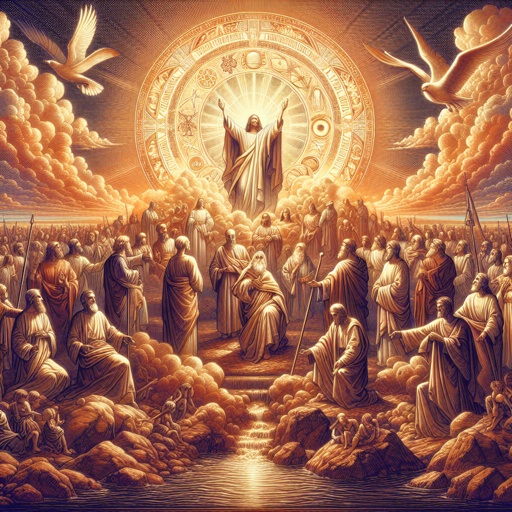
Leviticus 11:22
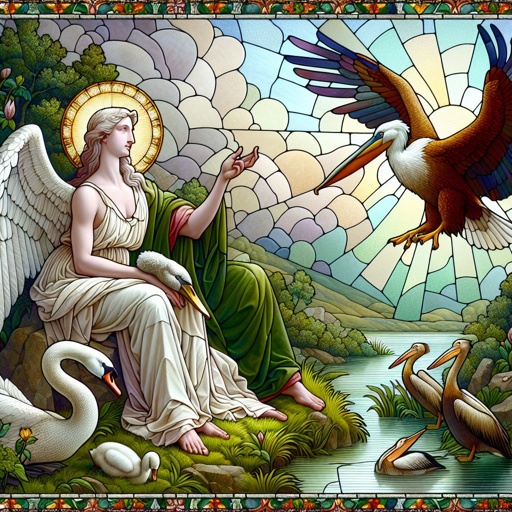
Leviticus 11:18 - "And the swan, and the pelican, and the gier eagle,"

Leviticus 11:17 - "And the little owl, and the cormorant, and the great owl,"

Leviticus 11:14 - "And the vulture, and the kite after his kind;"

Leviticus 11:15 - "Every raven after his kind;"

Leviticus 26: 4-6
Leviticus 26: 4-6

Leviticus 26: 4-6

Leviticus 11:30 - "And the ferret, and the chameleon, and the lizard, and the snail, and the mole."

Leviticus 6:24 - "¶ And the LORD spake unto Moses, saying,"

Leviticus 6:8 - "¶ And the LORD spake unto Moses, saying,"

Leviticus 11:19 - "And the stork, the heron after her kind, and the lapwing, and the bat."

Leviticus 6:19 - "¶ And the LORD spake unto Moses, saying,"

Leviticus 6:1 - "And the LORD spake unto Moses, saying,"

Leviticus 9:11 - "And the flesh and the hide he burnt with fire without the camp."

Leviticus 11:1 - "And the LORD spake unto Moses and to Aaron, saying unto them,"

Leviticus 11:16 - "And the owl, and the night hawk, and the cuckow, and the hawk after his kind,"

Leviticus 1:6 - "And he shall flay the burnt offering, and cut it into his pieces."

Leviticus 11:41 - "And every creeping thing that creepeth upon the earth shall be an abomination; it shall not be eaten."

Leviticus 19:11 - "¶ Ye shall not steal, neither deal falsely, neither lie one to another."

Leviticus 7:11 - "And this is the law of the sacrifice of peace offerings, which he shall offer unto the LORD."

Leviticus 8:6 - "And Moses brought Aaron and his sons, and washed them with water."

Leviticus 2:6 - "Thou shalt part it in pieces, and pour oil thereon: it is a meat offering."

"And the swan, and the pelican, and the gier eagle," - Leviticus 11:18

Leviticus 11:12 - "Whatsoever hath no fins nor scales in the waters, that shall be an abomination unto you."

Leviticus 11:8 - "Of their flesh shall ye not eat, and their carcase shall ye not touch; they are unclean to you."