What does Leviticus 7:35 mean?
“This is the portion of the anointing of Aaron, and of the anointing of his sons, out of the offerings of the LORD made by fire, in the day when he presented them to minister unto the LORD in the priest’s office;” — Leviticus 7:35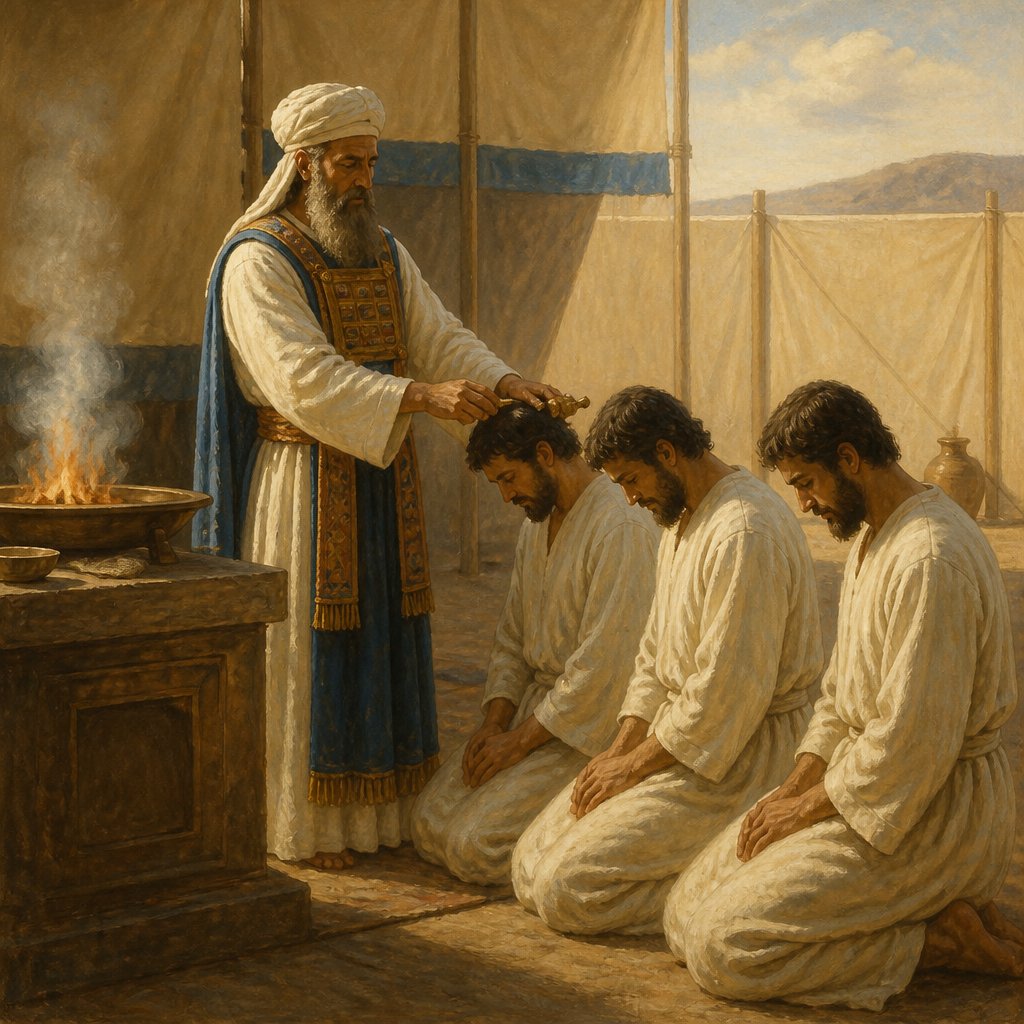
Leviticus 7:35 in the King James Version of the Bible reads, "This is the portion of the anointing of Aaron, and of the anointing of his sons, out of the offerings of the LORD made by fire, in the day when he presented them to minister unto the LORD in the priest's office."
This verse comes from the Book of Leviticus, which is the third book of the Hebrew Bible and the Old Testament. It is part of the Torah, or the first five books of the Bible, and specifically focuses on the laws and regulations set forth by God for the Israelites to follow. The book is primarily concerned with instructions for worship, purity, and holiness, as well as rules for the priesthood and sacrifices.
In this specific verse, the portion of the anointing of Aaron and his sons is being described. This anointing was a significant event in the priestly ordination process, as it marked the consecration and setting apart of Aaron and his descendants for the service of the Lord in the priest's office. The anointing oil used in this process was a symbol of God's empowerment and approval for the priesthood, as well as a means of bestowing the necessary qualities and authority for serving in this role.
The anointing of Aaron and his sons was a crucial moment in the establishment of the Israelite priesthood. It was through this anointing that God ordained a specific family line to act as intermediaries between himself and the people of Israel. By bestowing the anointing oil upon them, God set Aaron and his sons apart for a special purpose and role in the community, giving them the authority to carry out the duties and responsibilities associated with the priesthood.
One of the central themes of Leviticus 7:35 is the concept of consecration and divine appointment. The anointing of Aaron and his sons represented a sacred and set-apart status, signifying their dedication to serving the Lord in the priest's office. Through this act, they were entrusted with the sacred task of offering sacrifices, performing rituals, and mediating between God and the people. This theme of consecration serves as a reminder of the importance of being set apart for God's purposes and the responsibility that comes with such a calling.
Another important theme in this verse is the significance of offerings made by fire. Throughout the book of Leviticus, there are detailed instructions for various types of offerings, including burnt offerings, grain offerings, sin offerings, and guilt offerings. These offerings were an integral part of the Israelite worship and sacrificial system, serving as a means of atonement, thanksgiving, dedication, and communion with God. The offerings of the LORD made by fire were considered holy and were to be treated with the utmost reverence and care, as they represented the people's relationship with God and their desire for forgiveness and reconciliation.
Symbolism plays a key role in understanding the deeper meaning of this verse. The anointing oil itself is a powerful symbol of God's presence and blessing. In the Bible, oil often represents the Holy Spirit and is used to signify empowerment, consecration, and unity. In the context of the anointing of Aaron and his sons, the oil served as a visible sign of God's choice and approval, setting them apart from the rest of the community for the sacred task of ministering before the Lord.
The fire used in the offerings is also symbolic, representing the purifying and transformative power of God. The act of offering sacrifices by fire was an act of worship and surrender, symbolizing the giving of oneself to God and the desire for purification and forgiveness. The fire also signified God's acceptance of the offerings and the restoration of the relationship between God and His people.
In conclusion, Leviticus 7:35 provides a glimpse into the sacred and solemn process of anointing Aaron and his sons for the priesthood. It emphasizes the themes of consecration, divine appointment, and the significance of offerings made by fire. The verse serves as a reminder of the importance of being set apart for God's purposes, as well as the symbolism of the anointing oil and offerings in the worship and relationship with God. It also points to the greater significance of the priesthood as a foreshadowing of the ultimate priesthood of Jesus Christ, who fulfills and surpasses the role of the Old Testament priests.
Get our apps


Artwork for Leviticus 7:35

Leviticus 7:35 - "¶ This is the portion of the anointing of Aaron, and of the anointing of his sons, out of the offerings of the LORD made by fire, in the day when he presented them to minister unto the LORD in the priest's office;"
"¶ This is the portion of the anointing of Aaron, and of the anointing of his sons, out of the offerings of the LORD made by fire, in the day when he presented them to minister unto the LORD in the priest's office;" - Leviticus 7:35

Leviticus 13:35 - "But if the scall spread much in the skin after his cleansing;"

Leviticus 19:35 - "¶ Ye shall do no unrighteousness in judgment, in meteyard, in weight, or in measure."

Leviticus 23:35 - "On the first day shall be an holy convocation: ye shall do no servile work therein."

Leviticus 14:35 - "And he that owneth the house shall come and tell the priest, saying, It seemeth to me there is as it were a plague in the house:"

Leviticus 26:35 - "As long as it lieth desolate it shall rest; because it did not rest in your sabbaths, when ye dwelt upon it."

"But if the scall spread much in the skin after his cleansing;" - Leviticus 13:35

Nehemiah 7:35 - "The children of Harim, three hundred and twenty."

Luke 7:35 - "But wisdom is justified of all her children."

Leviticus 17:7

"¶ Ye shall do no unrighteousness in judgment, in meteyard, in weight, or in measure." - Leviticus 19:35

Leviticus 25:35 - "¶ And if thy brother be waxen poor, and fallen in decay with thee; then thou shalt relieve him: yea, though he be a stranger, or a sojourner; that he may live with thee."

Leviticus 8:35 - "Therefore shall ye abide at the door of the tabernacle of the congregation day and night seven days, and keep the charge of the LORD, that ye die not: for so I am commanded."

Exodus 35:7 - "And rams' skins dyed red, and badgers' skins, and shittim wood,"

Leviticus 11:35 - "And every thing whereupon any part of their carcase falleth shall be unclean; whether it be oven, or ranges for pots, they shall be broken down: for they are unclean, and shall be unclean unto you."

leviticus 16:7-10

1 Chronicles 7:35 - "And the sons of his brother Helem; Zophah, and Imna, and Shelesh, and Amal."

Leviticus 7:22 - "¶ And the LORD spake unto Moses, saying,"

Leviticus 7:28 - "¶ And the LORD spake unto Moses, saying,"

Job 35:7 - "If thou be righteous, what givest thou him? or what receiveth he of thine hand?"

"The children of Harim, three hundred and twenty." - Nehemiah 7:35
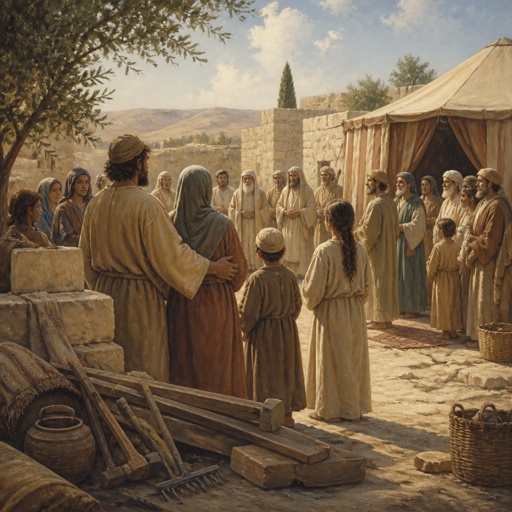
"On the first day shall be an holy convocation: ye shall do no servile work therein." - Leviticus 23:35

Leviticus 7:1 - "Likewise this is the law of the trespass offering: it is most holy."

Leviticus 7:7 - "As the sin offering is, so is the trespass offering: there is one law for them: the priest that maketh atonement therewith shall have it."

Mark 7:35 - "And straightway his ears were opened, and the string of his tongue was loosed, and he spake plain."

Leviticus 19:7 - "And if it be eaten at all on the third day, it is abominable; it shall not be accepted."

"But wisdom is justified of all her children." - Luke 7:35

Leviticus 7:17 - "But the remainder of the flesh of the sacrifice on the third day shall be burnt with fire."

Psalms 35:7 - "For without cause have they hid for me their net in a pit, which without cause they have digged for my soul."