What does Leviticus 8:26 mean?
"And out of the basket of unleavened bread, that was before the LORD, he took one unleavened cake, and a cake of oiled bread, and one wafer, and put them on the fat, and upon the right shoulder:" - Leviticus 8:26
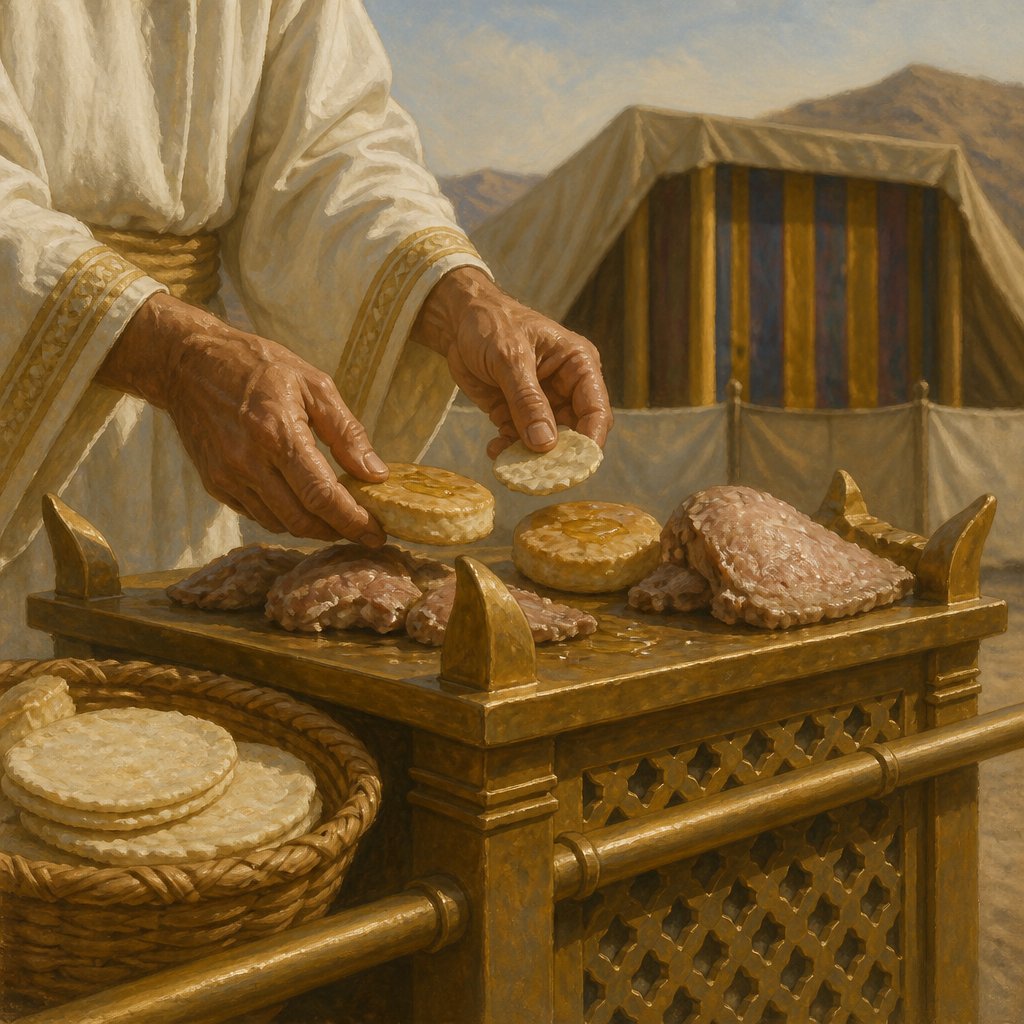
Leviticus 8:26 (KJV) states, "And out of the basket of unleavened bread, that was before the Lord, he took one unleavened cake, and a cake of bread anointed with oil, and one wafer, and put them on the fat, and upon the right shoulder."
This verse comes from the book of Leviticus in the Old Testament, which is the third book of the Bible. It is a book of laws and regulations, and it specifically deals with the rituals and ceremonies of the Israelite people. Leviticus 8 is focused on the consecration of Aaron and his sons as priests, and this particular verse describes a specific part of the ceremony.
The verse describes the act of Moses taking unleavened bread from a basket that was placed before the Lord, and placing it on top of a fat portion of a sacrificial animal, as well as on the right shoulder. This act was part of the consecration process for the priesthood.
One of the key themes in this verse is the idea of consecration and the importance of ritual and ceremony in the worship of God. The use of unleavened bread in the consecration ceremony is significant because unleavened bread symbolizes purity and the absence of sin. By placing the bread on top of the fat and the right shoulder, it is being set apart as holy and dedicated to the Lord.
Another important theme in this verse is the idea of anointing with oil. The cake of bread mentioned here is specifically described as being anointed with oil. In the Bible, anointing with oil is often associated with the pouring out of the Holy Spirit and a sign of God's blessing and empowerment. By anointing the bread with oil, it is being consecrated and set apart for a holy purpose.
The symbolism in this verse is rich and significant. The unleavened bread represents purity and consecration, and the anointing with oil represents God's blessing and empowerment. The act of placing the bread on the fat and the right shoulder further emphasizes the specialness and holiness of the consecration process.
In a broader context, this verse also points to the importance of ceremony and ritual in the worship of God. In the Old Testament, the Israelites had specific rituals and ceremonies that were meant to set them apart as a holy people. While the specific rituals and ceremonies may not be applicable today, the underlying principle of setting oneself apart for God's service and worship remains important.
Ultimately, Leviticus 8:26 serves as a reminder of the holiness of God and the importance of being set apart and consecrated for His service. It also points to the idea of God's blessing and empowerment, and the significance of ritual and ceremony in the worship of God. The verse calls us to reflect on our own consecration and dedication to the Lord, and to consider the ways in which we can live our lives in a manner that is holy and pleasing to Him.
Have questions about Leviticus 8:26?
Dive deeper into this scripture with Bible Chat — an AI-powered tool for exploring God's Word through conversation. Ask questions, get context, and grow in your understanding of the Bible.
Get Our Apps


Leviticus 8:26 Artwork

Leviticus 8:26 - "And out of the basket of unleavened bread, that was before the LORD, he took one unleavened cake, and a cake of oiled bread, and one wafer, and put them on the fat, and upon the right shoulder:"
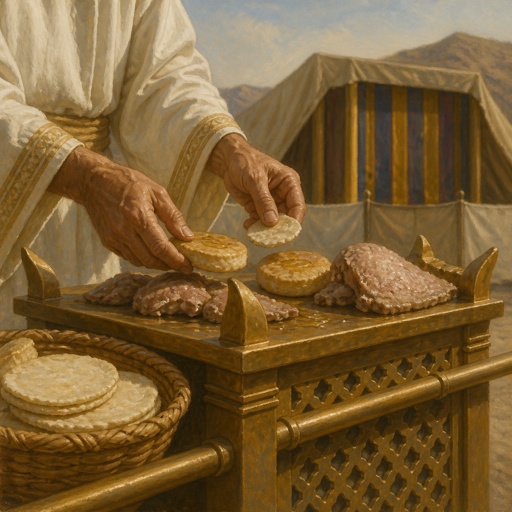
"And out of the basket of unleavened bread, that was before the LORD, he took one unleavened cake, and a cake of oiled bread, and one wafer, and put them on the fat, and upon the right shoulder:" - Leviticus 8:26
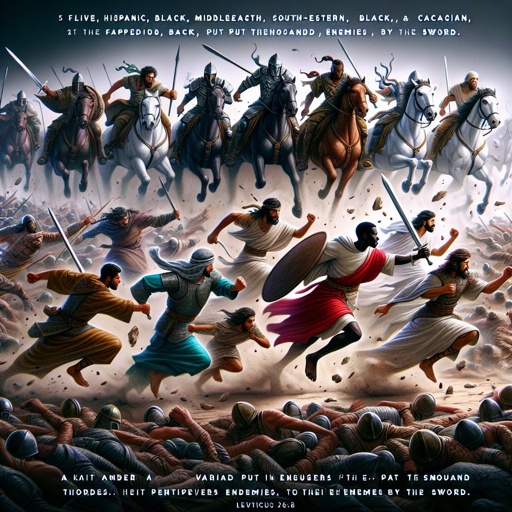
Leviticus 26:8 - "And five of you shall chase an hundred, and an hundred of you shall put ten thousand to flight: and your enemies shall fall before you by the sword."

Leviticus 26: 4-6

Leviticus 26: 4-6
Leviticus 26: 4-6

Leviticus 23:26 - "¶ And the LORD spake unto Moses, saying,"

Leviticus 22:26 - "¶ And the LORD spake unto Moses, saying,"

Leviticus 26:14 - "¶ But if ye will not hearken unto me, and will not do all these commandments;"

Leviticus 25:26 - "And if the man have none to redeem it, and himself be able to redeem it;"

Leviticus 20:22-26 simple picture

Picture to summarize Leviticus 20:22-26

Leviticus 26:23 - "And if ye will not be reformed by me by these things, but will walk contrary unto me;"

Leviticus 26:3 - "¶ If ye walk in my statutes, and keep my commandments, and do them;"

Leviticus 14:26 - "And the priest shall pour of the oil into the palm of his own left hand:"

Leviticus 16:8

Leviticus 26:27 - "And if ye will not for all this hearken unto me, but walk contrary unto me;"

Leviticus 8:30

Leviticus 26:7 - "And ye shall chase your enemies, and they shall fall before you by the sword."

Leviticus 26:12 - "And I will walk among you, and will be your God, and ye shall be my people."

Leviticus 26:10 - "And ye shall eat old store, and bring forth the old because of the new."

Leviticus 26:11 - "And I will set my tabernacle among you: and my soul shall not abhor you."

Leviticus 26:2 - "¶ Ye shall keep my sabbaths, and reverence my sanctuary: I am the LORD."
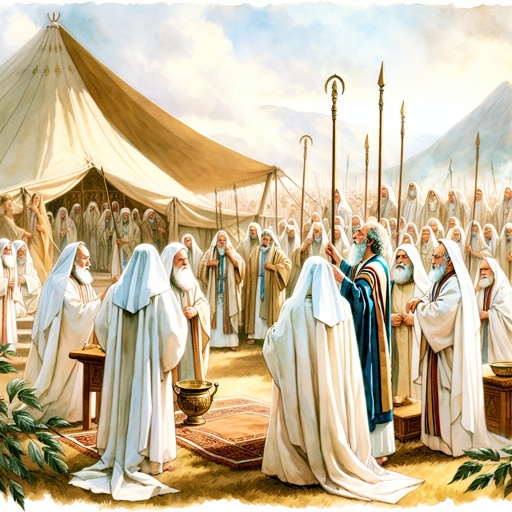
Leviticus 8:1-12

Leviticus 8:8 - "And he put the breastplate upon him: also he put in the breastplate the Urim and the Thummim."

Leviticus 26:32 - "And I will bring the land into desolation: and your enemies which dwell therein shall be astonished at it."

Leviticus 26:38 - "And ye shall perish among the heathen, and the land of your enemies shall eat you up."
"¶ And the LORD spake unto Moses, saying," - Leviticus 23:26
"¶ And the LORD spake unto Moses, saying," - Leviticus 22:26

Leviticus 7:26 - "Moreover ye shall eat no manner of blood, whether it be of fowl or of beast, in any of your dwellings."