What does Leviticus 8:7 mean?
"And he put upon him the coat, and girded him with the girdle, and clothed him with the robe, and put the ephod upon him, and he girded him with the curious girdle of the ephod, and bound it unto him therewith." - Leviticus 8:7
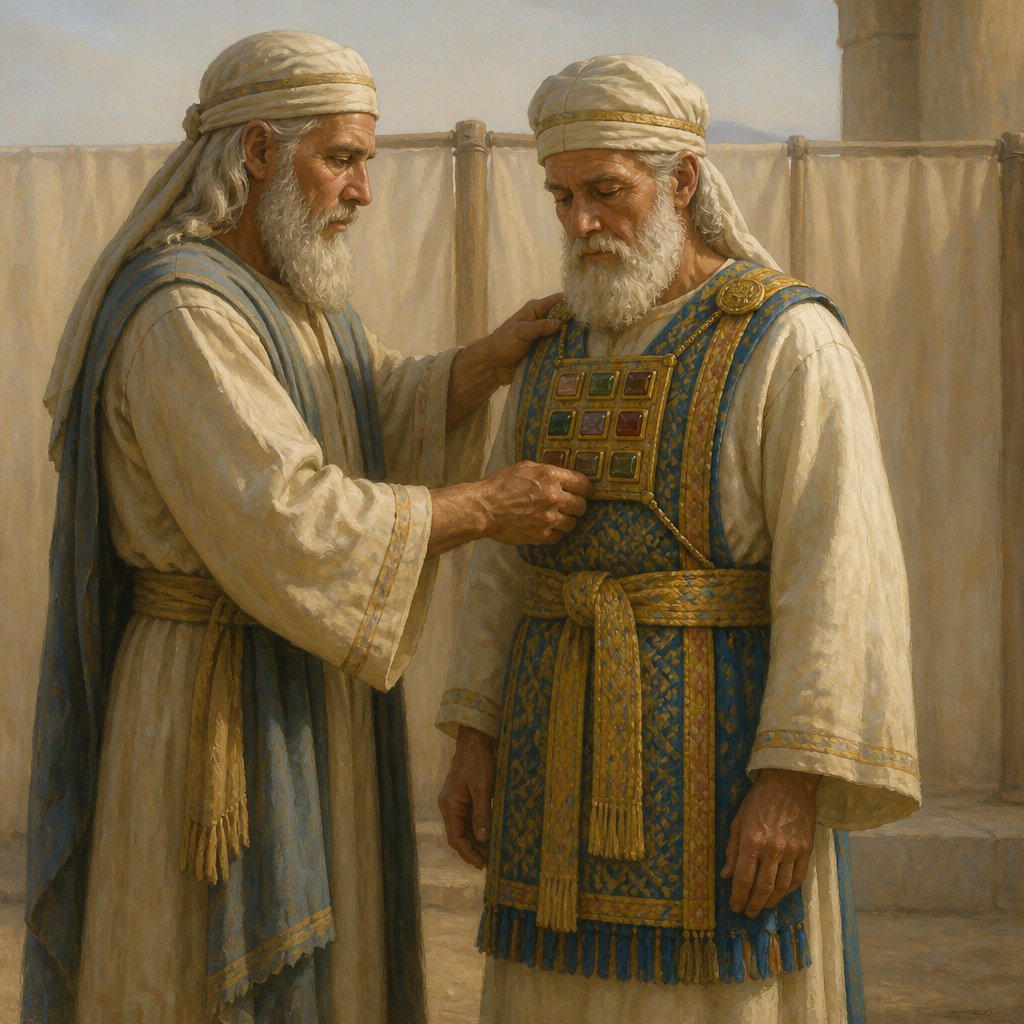
Leviticus 8:7 from the King James Version (KJV) of the Bible reads: "And he put upon him the coat, and girded him with the girdle, and clothed him with the robe, and put the ephod upon him, and he girded him with the curious girdle of the ephod, and bound it unto him therewith."
This verse is part of a larger passage detailing the consecration of Aaron and his sons as priests in the Israelite community. The context of this verse is important to understanding its meaning and significance within the biblical narrative. Leviticus is the third book of the Bible and is primarily concerned with the religious and ceremonial laws of the Israelites. In this particular chapter, the focus is on the ordination and anointing of Aaron and his sons as priests.
In Leviticus 8:7, the text describes in detail the process of clothing Aaron, the high priest, as part of his consecration. Each article of clothing mentioned in this verse holds specific symbolic and spiritual significance within the religious practices of the Israelites.
The act of clothing Aaron is symbolic of his new role and responsibilities as a priest. In the Old Testament, clothing often carries symbolic meaning, and the attire of a priest was particularly significant. The act of putting on these specific garments signified the setting apart and dedication of Aaron for his priestly duties.
The coat mentioned in the verse represents righteousness and a covering for sin. The girdle, or sash, symbolizes readiness and preparedness for service. The robe signifies the priest's authority and dignity, while the ephod, a type of garment, represents the priest's connection to God and his role as a mediator between God and the people. The ephod was also adorned with precious stones, symbolizing the beauty and holiness of the priestly office.
The "curious girdle" mentioned in the verse is of particular interest. The word "curious" here means "skillfully woven" or "artistically crafted." This girdle was made of fine linen and emblematic of the high priest's position as a skilled and chosen servant of God. It reflects the importance of attention to detail and careful craftsmanship in the service of the Lord.
The act of binding the ephod with the curious girdle symbolizes the tight connection between the priest and his duty to God. This symbolic binding represents the priest's commitment to his sacred calling and the covenant between God and his chosen people.
In a broader context, this verse emphasizes the importance of ceremonial and symbolic actions in religious practice. The physical clothing and dressing of Aaron serve as a means of conveying spiritual truths and demonstrating the significance of the priesthood in the Israelite community.
Additionally, this verse highlights the theme of consecration and holiness. The meticulous preparation and anointing of Aaron and his sons underscore the sacredness of the priestly office and the need for purity and dedication in serving God.
Overall, Leviticus 8:7 is a significant verse within the context of the consecration of Aaron and his sons as priests. It underscores the importance of symbolic actions in religious practice and highlights the themes of consecration, holiness, and the priesthood's role in the Israelite community. The verse's detailed description of the priestly garments serves as a reminder of the careful reverence and devotion required in serving God.
Have questions about Leviticus 8:7?
Dive deeper into this scripture with Bible Chat — an AI-powered tool for exploring God's Word through conversation. Ask questions, get context, and grow in your understanding of the Bible.
Get Our Apps


Leviticus 8:7 Artwork

Leviticus 8:7 - "And he put upon him the coat, and girded him with the girdle, and clothed him with the robe, and put the ephod upon him, and he girded him with the curious girdle of the ephod, and bound it unto him therewith."
"And he put upon him the coat, and girded him with the girdle, and clothed him with the robe, and put the ephod upon him, and he girded him with the curious girdle of the ephod, and bound it unto him therewith." - Leviticus 8:7

Leviticus 7:8 - "And the priest that offereth any man's burnt offering, even the priest shall have to himself the skin of the burnt offering which he hath offered."

Leviticus 16:8

Leviticus 8:30

Leviticus 17:7
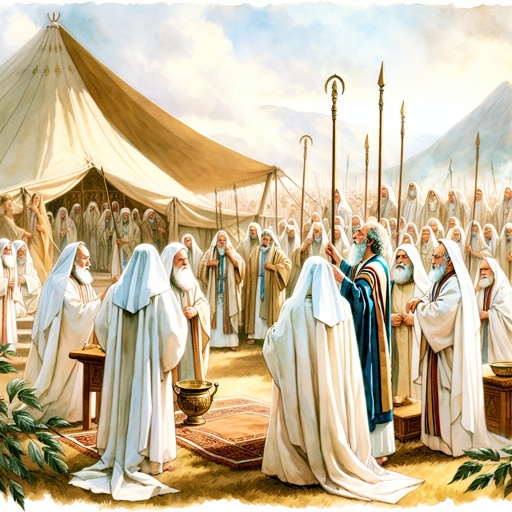
Leviticus 8:1-12

Leviticus 8:8 - "And he put the breastplate upon him: also he put in the breastplate the Urim and the Thummim."

leviticus 16:7-10

Leviticus 6:8 - "¶ And the LORD spake unto Moses, saying,"
Leviticus 10:8 - "¶ And the LORD spake unto Aaron, saying,"

Leviticus 8:1 - "And the LORD spake unto Moses, saying,"

Leviticus 7:22 - "¶ And the LORD spake unto Moses, saying,"

Leviticus 7:28 - "¶ And the LORD spake unto Moses, saying,"

Leviticus 7:1 - "Likewise this is the law of the trespass offering: it is most holy."

Leviticus 7:7 - "As the sin offering is, so is the trespass offering: there is one law for them: the priest that maketh atonement therewith shall have it."

Leviticus 8:32 - "And that which remaineth of the flesh and of the bread shall ye burn with fire."

Leviticus 19:7 - "And if it be eaten at all on the third day, it is abominable; it shall not be accepted."

Leviticus 8:6 - "And Moses brought Aaron and his sons, and washed them with water."

Leviticus 8:19 - "And he killed it; and Moses sprinkled the blood upon the altar round about."

Leviticus 8:3 - "And gather thou all the congregation together unto the door of the tabernacle of the congregation."

Leviticus 8:5 - "And Moses said unto the congregation, This is the thing which the LORD commanded to be done."

Leviticus 7:17 - "But the remainder of the flesh of the sacrifice on the third day shall be burnt with fire."

Leviticus 8:20 - "And he cut the ram into pieces; and Moses burnt the head, and the pieces, and the fat."

Leviticus 18:8 - "The nakedness of thy father's wife shalt thou not uncover: it is thy father's nakedness."
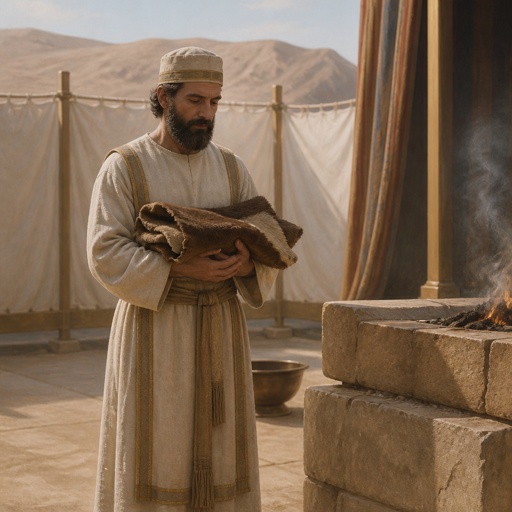
"And the priest that offereth any man's burnt offering, even the priest shall have to himself the skin of the burnt offering which he hath offered." - Leviticus 7:8

Leviticus 8:10 - "And Moses took the anointing oil, and anointed the tabernacle and all that was therein, and sanctified them."

Leviticus 11:8 - "Of their flesh shall ye not eat, and their carcase shall ye not touch; they are unclean to you."
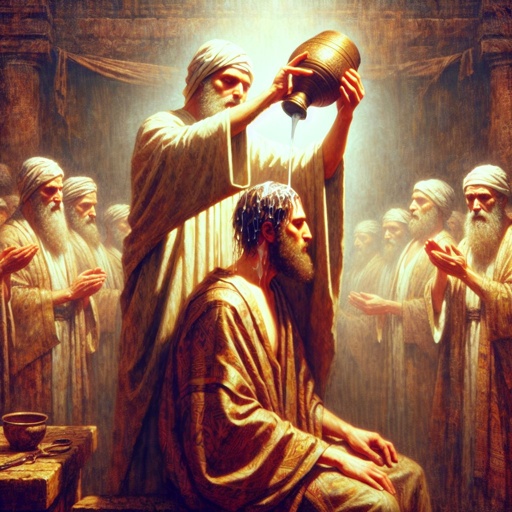
Leviticus 8:12 - "And he poured of the anointing oil upon Aaron's head, and anointed him, to sanctify him."

Leviticus 9:8 - "¶ Aaron therefore went unto the altar, and slew the calf of the sin offering, which was for himself."