What does Leviticus 9:10 mean?
“But the fat, and the kidneys, and the caul above the liver of the sin offering, he burnt upon the altar; as the LORD commanded Moses.” — Leviticus 9:10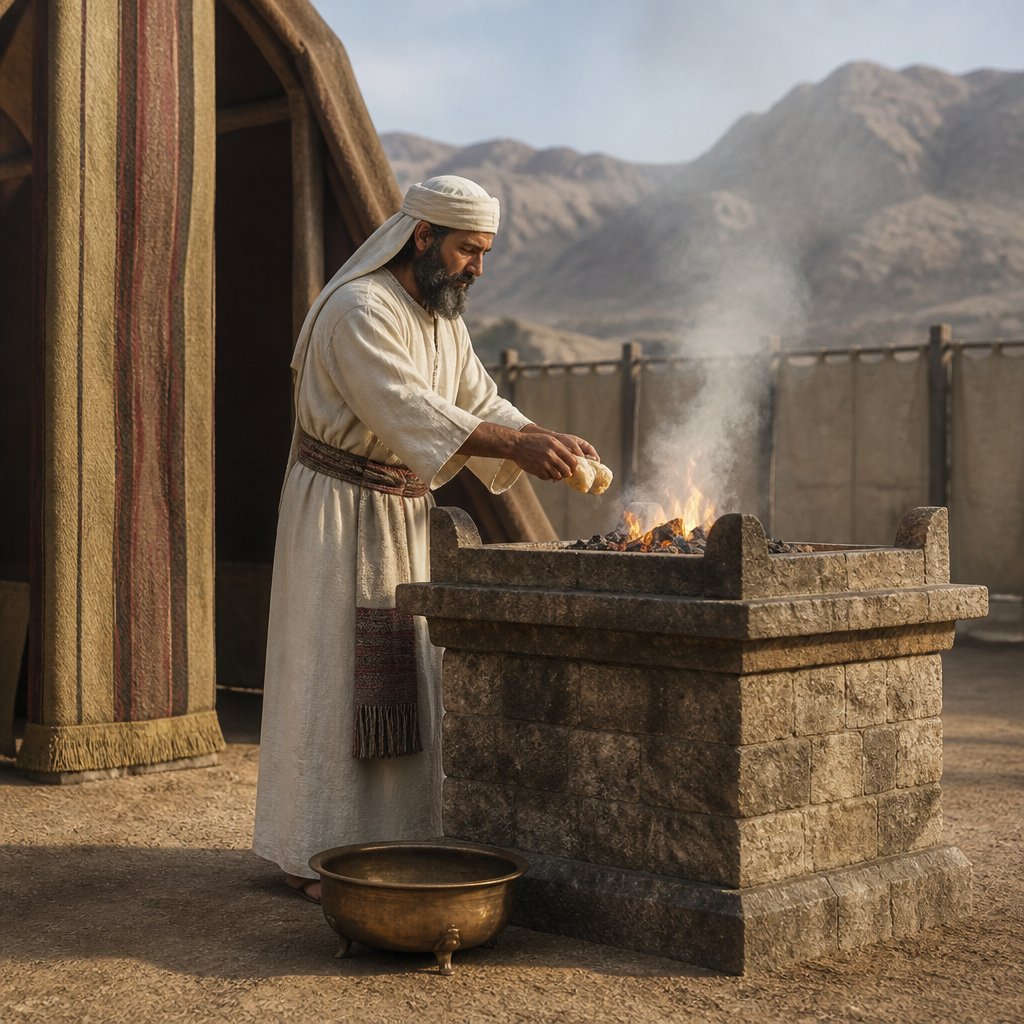
Leviticus 9:10 in the King James Version of the Bible reads: "But the fat, and the kidneys, and the caul above the liver of the sin offering, he burnt upon the altar; as the LORD commanded Moses."
This verse is found within the book of Leviticus, which is the third book of the Old Testament and is mainly concerned with the laws and regulations of the Levitical priesthood. In this particular verse, we see the specific instructions for the disposal of certain parts of a sin offering.
The sin offering was a sacrifice made to atone for unintentional sins committed by the Israelites. The offering would be made by the high priest on behalf of the people, to cleanse them of their sins and restore their relationship with God. The fat, kidneys, and caul (or lobe) of the liver were to be burnt upon the altar as a means of dedicating these parts of the animal to God. The burning symbolized the complete surrender of these parts of the offering to God, and it was a way of acknowledging God's sovereignty and authority over all things, including the lives of the Israelites.
In a broader context, this verse highlights the importance of obedience to God's commands. The phrase "as the LORD commanded Moses" emphasizes the need to adhere strictly to the instructions given by God. The Israelites were expected to follow these instructions meticulously, without deviation, as a way of demonstrating their devotion and submission to God.
Moreover, this verse also points to the significance of sacrifice in the Israelite religious practice. Sacrifice was a central aspect of the Israelites' worship and was a way for them to seek forgiveness for their sins and express their gratitude and reverence to God. By offering these specific parts of the sin offering on the altar, the Israelites were acknowledging their reliance on God's grace and their desire to maintain a right relationship with Him.
Furthermore, the burning of the fat, kidneys, and caul also symbolized the purification and sanctification of the offering. The burning process was a way of consuming and transforming these parts, representing a symbolic removal of impurity and a consecration of the offering to God. This act of burning the specific parts of the offering signified the purification of the sin offering, which was necessary for it to be acceptable to God.
In broader theological terms, this verse points to the concept of substitutionary atonement. The sin offering was made on behalf of the people, and the burning of specific parts of the offering served as a means of transferring the guilt and sin of the people to the offering itself. This foreshadowed the ultimate sacrifice of Jesus Christ, who would serve as the ultimate sin offering for all of humanity, bearing the sins of the world and providing reconciliation between God and humanity.
In conclusion, Leviticus 9:10 holds deep significance within the larger context of the Levitical laws and the Israelites' religious practices. It showcases the importance of obedience to God's commands, the significance of sacrifice in the Israelite worship, and the symbolism of purification and atonement. Beyond its immediate literal meaning, this verse also points to larger theological themes of obedience, sacrifice, and atonement that have implications for understanding the larger narrative of the Bible and the Christian faith.
Get our apps


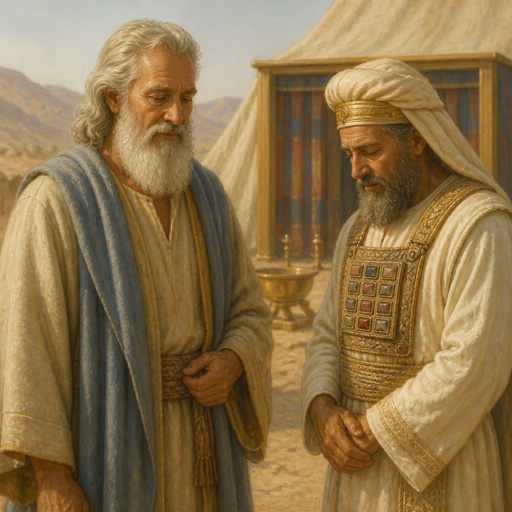
Artwork for Leviticus 9:10

Leviticus 9:10 - "But the fat, and the kidneys, and the caul above the liver of the sin offering, he burnt upon the altar; as the LORD commanded Moses."
"But the fat, and the kidneys, and the caul above the liver of the sin offering, he burnt upon the altar; as the LORD commanded Moses." - Leviticus 9:10

Leviticus 10:9 - "Do not drink wine nor strong drink, thou, nor thy sons with thee, when ye go into the tabernacle of the congregation, lest ye die: it shall be a statute for ever throughout your generations:"

Leviticus 10:10 - "And that ye may put difference between holy and unholy, and between unclean and clean;"

leviticus 16:7-10

Leviticus 10:20 - "And when Moses heard that, he was content."
Leviticus 10:8 - "¶ And the LORD spake unto Aaron, saying,"

Leviticus 23:9 - "¶ And the LORD spake unto Moses, saying,"

Leviticus 9:16 - "And he brought the burnt offering, and offered it according to the manner."

Leviticus 9:11 - "And the flesh and the hide he burnt with fire without the camp."

Leviticus 13:9 - "¶ When the plague of leprosy is in a man, then he shall be brought unto the priest;"

Leviticus 9:20 - "And they put the fat upon the breasts, and he burnt the fat upon the altar:"

Leviticus 9:9 - "And the sons of Aaron brought the blood unto him: and he dipped his finger in the blood, and put it upon the horns of the altar, and poured out the blood at the bottom of the altar:"

Leviticus 10:2 - "And there went out fire from the LORD, and devoured them, and they died before the LORD."
Psalm 10:9-10

Psalm 10:9-10

Leviticus 15:9 - "And what saddle soever he rideth upon that hath the issue shall be unclean."

Leviticus 9:14 - "And he did wash the inwards and the legs, and burnt them upon the burnt offering on the altar."

Leviticus 9:8 - "¶ Aaron therefore went unto the altar, and slew the calf of the sin offering, which was for himself."

Leviticus 9:1 - "And it came to pass on the eighth day, that Moses called Aaron and his sons, and the elders of Israel;"

Leviticus 26:10 - "And ye shall eat old store, and bring forth the old because of the new."

Leviticus 8:10 - "And Moses took the anointing oil, and anointed the tabernacle and all that was therein, and sanctified them."

Leviticus 10:5 - "So they went near, and carried them in their coats out of the camp; as Moses had said."

Leviticus 9:19 - "And the fat of the bullock and of the ram, the rump, and that which covereth the inwards, and the kidneys, and the caul above the liver:"

Leviticus 9:21 - "And the breasts and the right shoulder Aaron waved for a wave offering before the LORD; as Moses commanded."

Leviticus 7:9 - "And all the meat offering that is baken in the oven, and all that is dressed in the fryingpan, and in the pan, shall be the priest's that offereth it."

"¶ And the LORD spake unto Aaron, saying," - Leviticus 10:8
"And when Moses heard that, he was content." - Leviticus 10:20

"¶ And the LORD spake unto Moses, saying," - Leviticus 23:9

Leviticus 16:9 - "And Aaron shall bring the goat upon which the LORD'S lot fell, and offer him for a sin offering."