What does Luke 10:18 mean?
“And he said unto them, I beheld Satan as lightning fall from heaven.” — Luke 10:18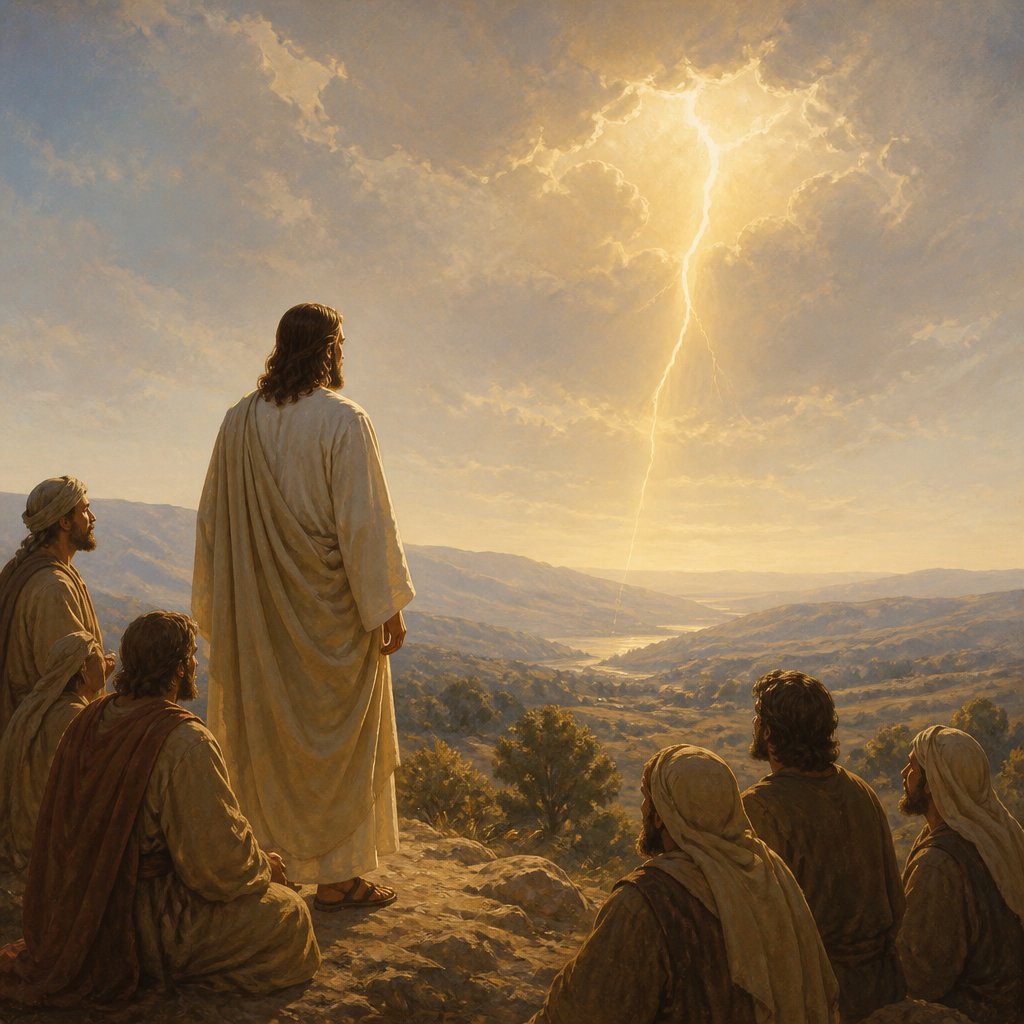
The verse Luke 10:18 in the King James Version of the Bible reads: "And he said unto them, I beheld Satan as lightning fall from heaven." This verse is part of a larger passage in which Jesus sends out seventy disciples to prepare the way for his own ministry. When the disciples return, they report that even the demons are subject to them in Jesus' name. Jesus responds with a warning not to rejoice in the power they have been given but rather to rejoice in the fact that their names are written in heaven. It is in this context that Jesus utters the enigmatic words of Luke 10:18.
The verse has been the subject of much speculation and interpretation over the centuries. On one level, it can be seen as a declaration of Jesus' authority over Satan and all the powers of darkness. The phrase "I beheld Satan as lightning fall from heaven" is often interpreted as a reference to the fall of Satan from his original position of favor with God. This interpretation is consonant with the larger theme of Jesus' ministry, which is to bring about the defeat of the forces of evil and the establishment of the reign of God on earth.
On another level, the verse can be seen as a kind of prophetic utterance. It is in line with other passages in the New Testament that speak of a cosmic struggle between the forces of good and evil, a struggle that will culminate in the final victory of God. In this interpretation, the fall of Satan is a future event that Jesus sees in a vision, a sign of the ultimate triumph of righteousness over wickedness.
The imagery of Satan falling from heaven as lightning is rich in symbolism. Lightning is a powerful and awe-inspiring force of nature, often associated with the power and majesty of God in the Old Testament. In this context, Satan's fall from heaven as lightning can be seen as a dramatic and catastrophic event, symbolizing the decisive defeat of evil. It also carries connotations of suddenness and inevitability, suggesting that the fall of Satan is not only a future event but a necessary and inescapable one.
The verse also has a historical resonance. The fall of Satan from heaven has been interpreted in various ways by different religious traditions and has been the subject of much speculation and myth-making. In Christianity, the figure of Satan has often been associated with the pride and rebellion that lead to his expulsion from heaven. The imagery of Satan as a fallen angel resonates with the larger theme of the fallenness of humanity and the need for redemption.
In conclusion, Luke 10:18 is a verse that is rich in meaning and symbolism. It can be interpreted in a variety of ways, all of which point to the ultimate victory of good over evil and the establishment of the reign of God. It is a verse that speaks to the cosmic struggle between the forces of light and darkness, a struggle that finds its resolution in the person and work of Jesus Christ. This verse serves as a reminder of the power and authority of Jesus, as well as the ultimate defeat of Satan and all the powers of darkness.
Get our apps


Artwork for Luke 10:18

Luke 10:18-19

Luke 10:18-19

Luke 10:18-19

Luke 10:18-19

Luke 10:18-19

Luke 10:18-19

Luke 10:18-19

Luke 10:18 - "And he said unto them, I beheld Satan as lightning fall from heaven."
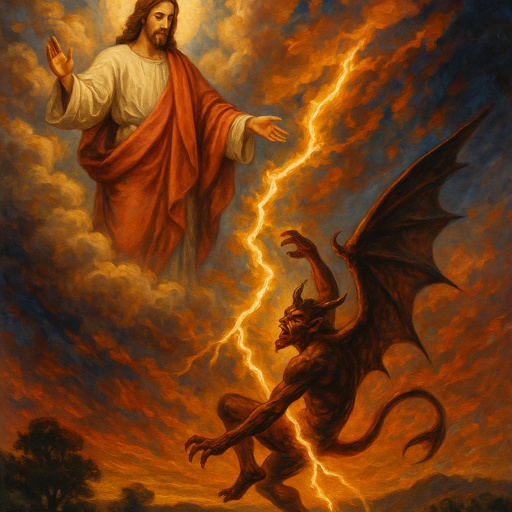
"And he said unto them, I beheld Satan as lightning fall from heaven." - Luke 10:18
"And he said unto them, I beheld Satan as lightning fall from heaven." - Luke 10:18

Luke 18:10 - "Two men went up into the temple to pray; the one a Pharisee, and the other a publican."
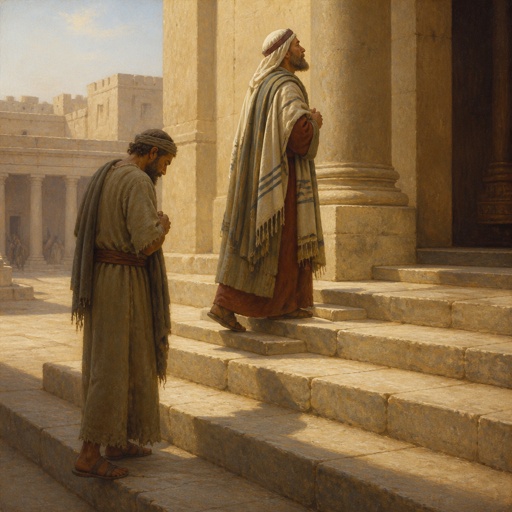
"Two men went up into the temple to pray; the one a Pharisee, and the other a publican." - Luke 18:10

Luke 13:18-19

Luke 13:18-19

Luke 4:18

Luke 4:18

Luke 10:5

Luke 10:5

Luke 10:5

Luke 18: 9-14

Luke 8:4-18

Luke 10:17-19

Luke 18:9-14

Luke 10:17-19

Luke 19:10

Luke 2:10

Luke 10:27

Luke 15:10

Luke 18:37 - "And they told him, that Jesus of Nazareth passeth by."

Luke 18:18 - "And a certain ruler asked him, saying, Good Master, what shall I do to inherit eternal life?"