What does Luke 10:25-28 mean?
"25 And, behold, a certain lawyer stood up, and tempted him, saying, Master, what shall I do to inherit eternal life? 26 He said unto him, What is written in the law? how readest thou? 27 And he answering said, Thou shalt love the Lord thy God with all thy heart, and with all thy soul, and with all thy strength, and with all thy mind; and thy neighbour as thyself. 28 And he said unto him, Thou hast answered right: this do, and thou shalt live." - Luke 10:25-28
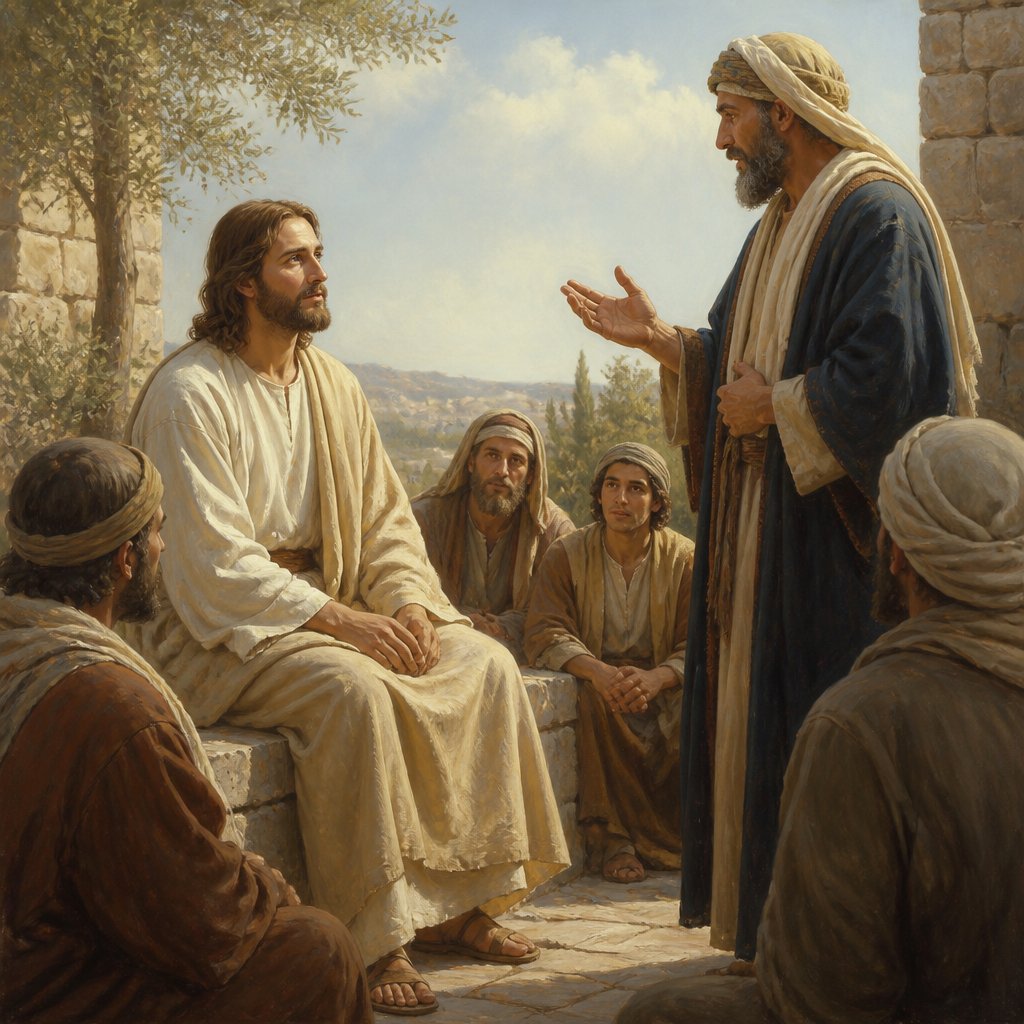
The Bible verse Luke 10:25-28 from the King James Version (KJV) reads:
"And, behold, a certain lawyer stood up, and tempted him, saying, Master, what shall I do to inherit eternal life? He said unto him, What is written in the law? how readest thou? And he answering said, Thou shalt love the Lord thy God with all thy heart, and with all thy soul, and with all thy strength, and with all thy mind; and thy neighbour as thyself. And he said unto him, Thou hast answered right: this do, and thou shalt live."
In this passage, a lawyer, who is an expert in the Jewish law, stands up to question Jesus, asking what he must do to inherit eternal life. The lawyer's intent is to test Jesus and provoke a debate. This interaction sets the stage for a profound conversation on the expectations of the law and the essence of true righteousness.
At the time of Jesus, the Jewish law comprised of 613 commandments from the Torah, and the lawyer's question reflects the standard religious mindset of the time – that eternal life could be earned through strict adherence to the law.
In response to the lawyer's question, Jesus turns the conversation back to the law itself, asking the lawyer what is written in the law and how he interprets it. The lawyer responds by quoting from the Old Testament, "Thou shalt love the Lord thy God with all thy heart, and with all thy soul, and with all thy strength, and with all thy mind; and thy neighbour as thyself." This teaches us about the importance of loving God and one another with our whole being.
Jesus acknowledges the lawyer's answer as correct, affirming the centrality of these two commandments in the life of a believer. He then instructs the lawyer to live out this love in practice, affirming that by doing so, he will inherit eternal life.
One of the themes of this passage is the contrast between legalistic righteousness and the righteousness that comes from a heart that is transformed by love. The lawyer represents the legalistic approach that aims to earn salvation through observance of the law, while Jesus emphasizes the primacy of love for God and others as the basis of true righteousness. This aligns with Jesus' teachings throughout the Gospels, emphasizing the inward condition of the heart over external actions.
Another theme in this passage is the inclusivity of God's love. By affirming the command to love one's neighbor as oneself, Jesus expands the scope of love beyond one's immediate circle to encompass all people. This challenges the conventional understanding of neighbor as being limited to one's own group, tribe, or nation, and calls for a radical love that crosses barriers of ethnicity, religion, and social status.
The context of this passage is important to understand the significance of Jesus' response. In the preceding chapter, Jesus had sent out seventy-two of his disciples to preach the message of the kingdom of God, heal the sick, and cast out demons. The instructions he gave them included finding a person of peace in each place they traveled to, and staying with them. This reveals Jesus' emphasis on building relationships with people, rather than imposing strict religious regulations.
Symbolically, this passage represents the heart of Jesus' teaching – love for God and love for one another. It serves as a foundational principle for Christian faith and practice, emphasizing that the life of a believer is to be characterized by love, compassion, and selflessness. This love is not isolationist or selective, but inclusive and all-encompassing, embracing all humanity.
In conclusion, Luke 10:25-28 from the KJV provides a profound insight into the nature of true righteousness, highlighting the supremacy of love for God and others as the essence of the law. It challenges the legalistic mindset that seeks to earn salvation through religious observance, and emphasizes the transformative power of love that transcends boundaries and transforms hearts. This passage continues to inspire and guide believers in their journey of faith, reminding them of the foundational importance of love in the Christian life.
Have questions about Luke 10:25-28?
Dive deeper into this scripture with Bible Chat — an AI-powered tool for exploring God's Word through conversation. Ask questions, get context, and grow in your understanding of the Bible.
Get Our Apps


Luke 10:25-28 Artwork

Luke 10:25-28 - "On one occasion an expert in the law stood up to test Jesus. “Teacher,” he asked, “what must I do to inherit eternal life?” “What is written in the Law?” he replied. “How do you read it?” He answered, “‘Love the Lord your God with all your heart and with all your soul and with all your strength and with all your mind’; and, ‘Love your neighbor as yourself.’” “You have answered correctly,” Jesus replied. “Do this and you will live.”"
"On one occasion an expert in the law stood up to test Jesus. “Teacher,” he asked, “what must I do to inherit eternal life?” “What is written in the Law?” he replied. “How do you read it?” He answered, “‘Love the Lord your God with all your heart and with all your soul and with all your strength and with all your mind’; and, ‘Love your neighbor as yourself.’” “You have answered correctly,” Jesus replied. “Do this and you will live.”" - Luke 10:25-28

Luke 10:25 - "¶ And, behold, a certain lawyer stood up, and tempted him, saying, Master, what shall I do to inherit eternal life?"

Luke 10:28 - "And he said unto him, Thou hast answered right: this do, and thou shalt live."
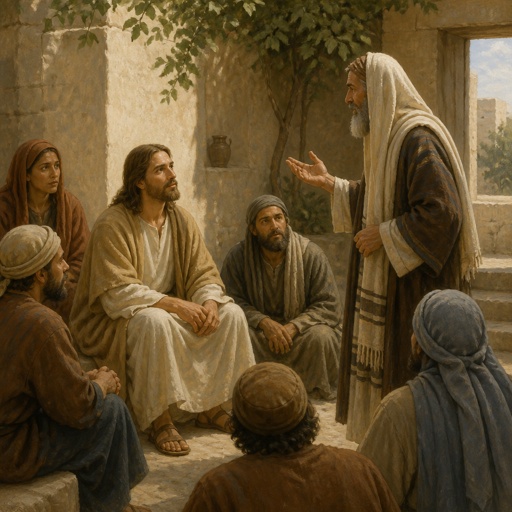
"¶ And, behold, a certain lawyer stood up, and tempted him, saying, Master, what shall I do to inherit eternal life?" - Luke 10:25
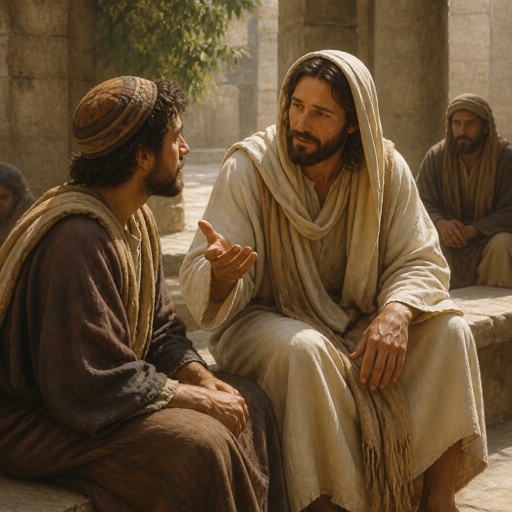
"And he said unto him, Thou hast answered right: this do, and thou shalt live." - Luke 10:28

Luke 20:28

Luke 19:28

Luke 1:25

Luke 1:25

Luke 1:25

Luke 12:25

Luke 1:25

Luke 12:25

Luke 1:25

luke 13:28-37

Luke 13:28-27

Luke 13:28-27

Luke 13:28-27

Luke 9:28-45

luke 13:28-37

Luke 12:25-26

Luke 12:25-26

Luke 12:25-26

Luke 12:25-26

Luke 12:25-26

Luke 12:25-26

Luke 12:25-26

Luke 14:25 - 33

Job 28:25 - "To make the weight for the winds; and he weigheth the waters by measure."