What does Luke 10:36 mean?
“Which now of these three, thinkest thou, was neighbour unto him that fell among the thieves?” — Luke 10:36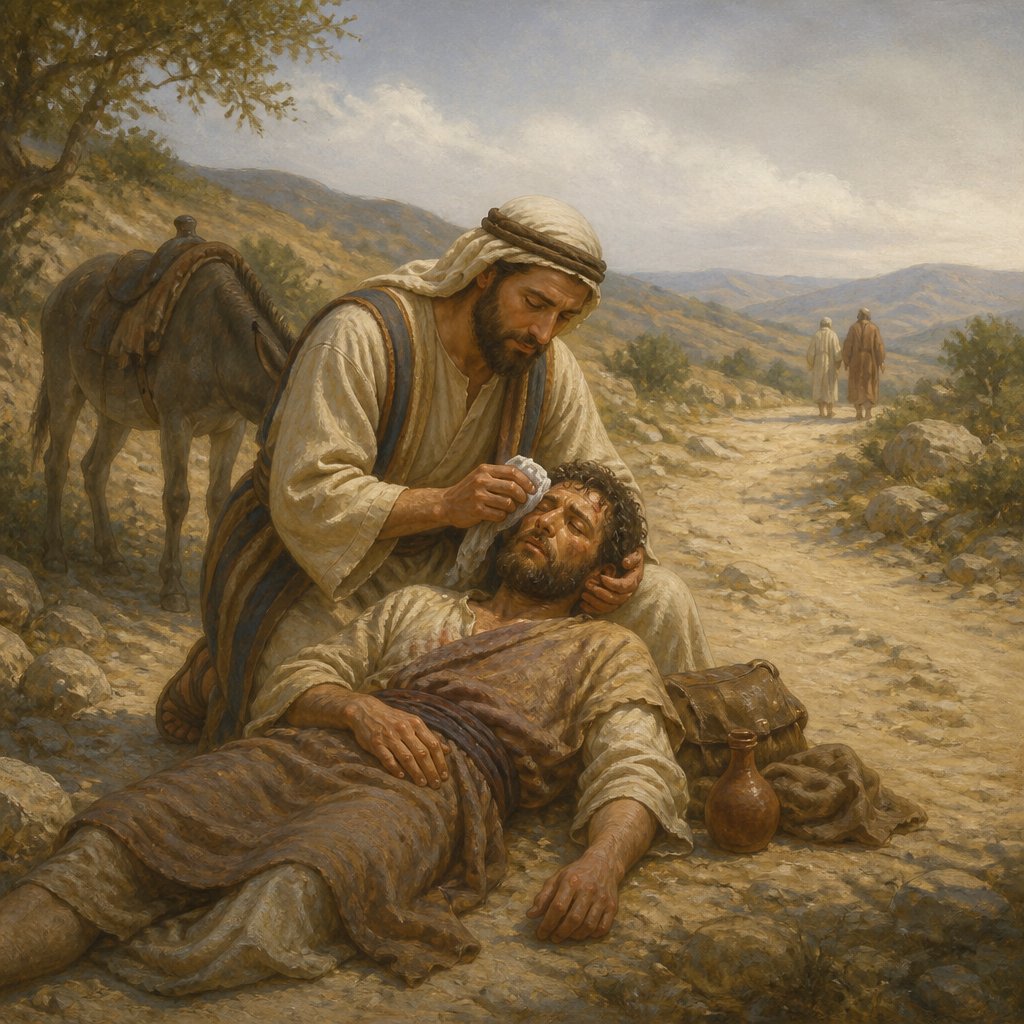
The Bible verse Luke 10:36 from the King James Version (KJV) states: "Which now of these three, thinkest thou, was neighbour unto him that fell among the thieves?" This verse is part of the parable of the Good Samaritan, told by Jesus in response to a question from a lawyer about who his neighbor is. In this parable, Jesus tells the story of a man who was robbed, beaten, and left for dead on the side of the road. Both a priest and a Levite passed by the injured man, ignoring him, but a Samaritan stopped to help and care for him, demonstrating true neighborly love.
The parable of the Good Samaritan is rich with meaning and symbolism, and Luke 10:36 is a key part of the climax of the story. It prompts the lawyer to reply, "He that shewed mercy on him," to which Jesus responds, "Go, and do thou likewise." This verse, then, serves as a challenge to love and care for others, regardless of their background or circumstances, and to live a life of compassion and selflessness.
The central theme of Luke 10:36 is the concept of neighborly love and compassion. Jesus uses this parable to teach the lawyer, and all those listening, about the true meaning of being a neighbor. The question posed in this verse forces the listener to consider who showed kindness and mercy to the injured man, and to recognize that the Samaritan, who was traditionally looked down upon by the Jews, was the one who demonstrated true neighborly love. This challenges the audience to expand their definition of neighbor and to treat others with love and compassion, regardless of their social status or background.
The context of this verse is important to understand its full significance. At the time when Jesus told this parable, Samaritans were despised and looked down upon by the Jewish people. The fact that Jesus chose a Samaritan as the hero of the story would have been quite shocking and revolutionary to his audience. It challenged their prejudices and forced them to rethink their attitudes toward those they considered "outsiders." In doing so, Jesus emphasized the universal nature of compassion and love, crossing cultural and religious boundaries.
The symbolism in Luke 10:36 is also significant. The injured man on the road represents all those who are in need and suffering, and the response of the priest, Levite, and Samaritan symbolize different attitudes toward those in need. The priest and Levite, who were supposed to be religious and righteous figures, represent indifference and neglect, while the Samaritan represents kindness, mercy, and compassion. This symbolism serves as a powerful reminder to the audience about the importance of acting with love and care towards others, especially those who are marginalized or in need.
In conclusion, Luke 10:36 is a pivotal verse in the parable of the Good Samaritan, conveying the message of true neighborly love and compassion. It challenges the audience to expand their definition of neighbor and to treat others with kindness and mercy, regardless of their background. The context of the parable, with its emphasis on the universal nature of compassion, and the symbolism of the different characters, all contribute to the powerful impact of this verse. Its message remains relevant and profound, inspiring believers to live a life of love and compassion towards all.
Get our apps


Artwork for Luke 10:36

Luke 10:36 - "Which now of these three, thinkest thou, was neighbour unto him that fell among the thieves?"
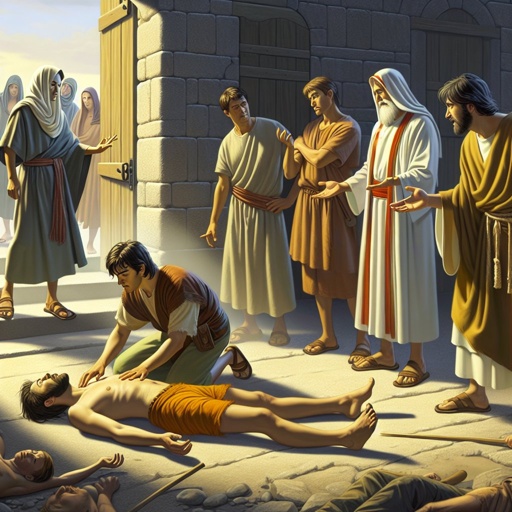
Luke 10:36-37 - "Which of these three, do you think, proved to be a neighbor to the man who fell among the robbers? He said, The one who showed him mercy. And Jesus said to him, You go, and do likewise."
"Which now of these three, thinkest thou, was neighbour unto him that fell among the thieves?" - Luke 10:36
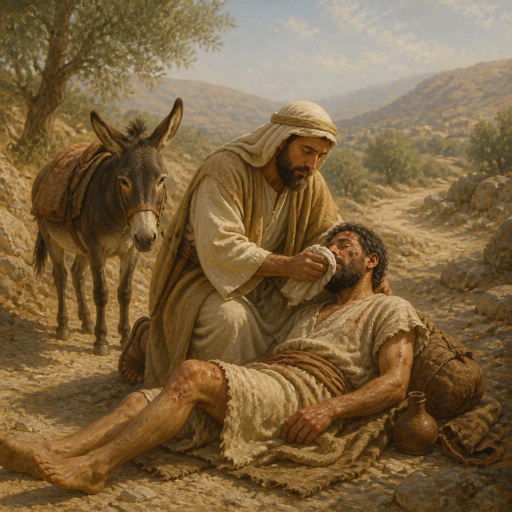
"Which of these three, do you think, proved to be a neighbor to the man who fell among the robbers? He said, The one who showed him mercy. And Jesus said to him, You go, and do likewise." - Luke 10:36-37

Luke 5:36

Luke 11.33-36

Luke 7:36-50

Luke 7:36–50

Luke 19:36 - "And as he went, they spread their clothes in the way."

Luke 6:36 - "Be ye therefore merciful, as your Father also is merciful."

Luke 18:36 - "And hearing the multitude pass by, he asked what it meant."

Ezra 10:36 - "Vaniah, Meremoth, Eliashib,"

Luke 17:36 - "Two men shall be in the field; the one shall be taken, and the other left."

Luke 23:36 - "And the soldiers also mocked him, coming to him, and offering him vinegar,"

Luke 8:36 - "They also which saw it told them by what means he that was possessed of the devils was healed."

Matthew 10:36 - "And a man's foes shall be they of his own household."

"And as he went, they spread their clothes in the way." - Luke 19:36

Luke 20:36 - "Neither can they die any more: for they are equal unto the angels; and are the children of God, being the children of the resurrection."

Luke 24:36 - "¶ And as they thus spake, Jesus himself stood in the midst of them, and saith unto them, Peace be unto you."

"Vaniah, Meremoth, Eliashib," - Ezra 10:36

Numbers 36:10 - "Even as the LORD commanded Moses, so did the daughters of Zelophehad:"

Luke 3:36 - "Which was the son of Cainan, which was the son of Arphaxad, which was the son of Sem, which was the son of Noe, which was the son of Lamech,"

Job 36:10 - "He openeth also their ear to discipline, and commandeth that they return from iniquity."
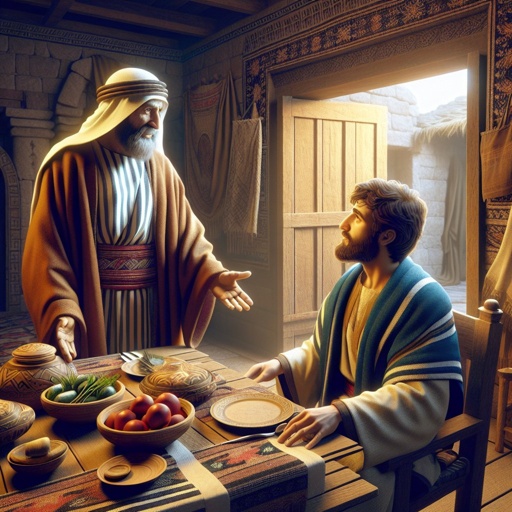
Luke 7:36 - "¶ And one of the Pharisees desired him that he would eat with him. And he went into the Pharisee's house, and sat down to meat."

2 Kings 10:36 - "And the time that Jehu reigned over Israel in Samaria was twenty and eight years."
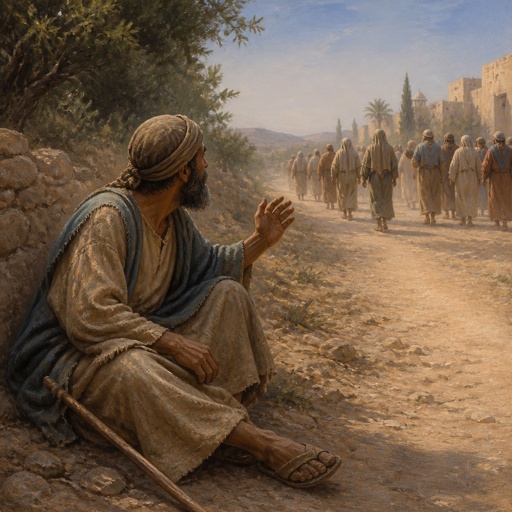
"And hearing the multitude pass by, he asked what it meant." - Luke 18:36
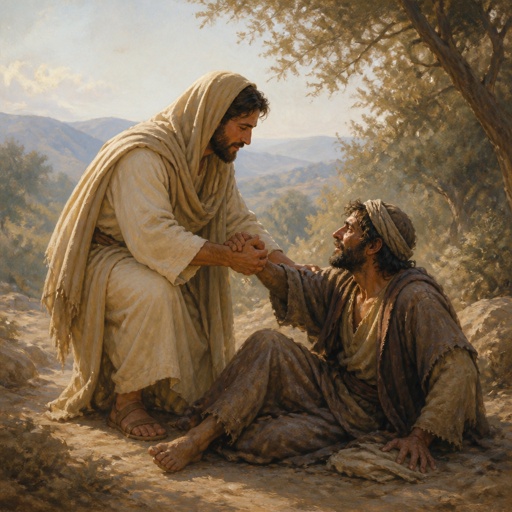
"Be ye therefore merciful, as your Father also is merciful." - Luke 6:36

Luke 10:5

Luke 10:5

Luke 10:5