What does Luke 11:2 mean?
"And he said unto them, When ye pray, say, Our Father which art in heaven, Hallowed be thy name. Thy kingdom come. Thy will be done, as in heaven, so in earth." - Luke 11:2
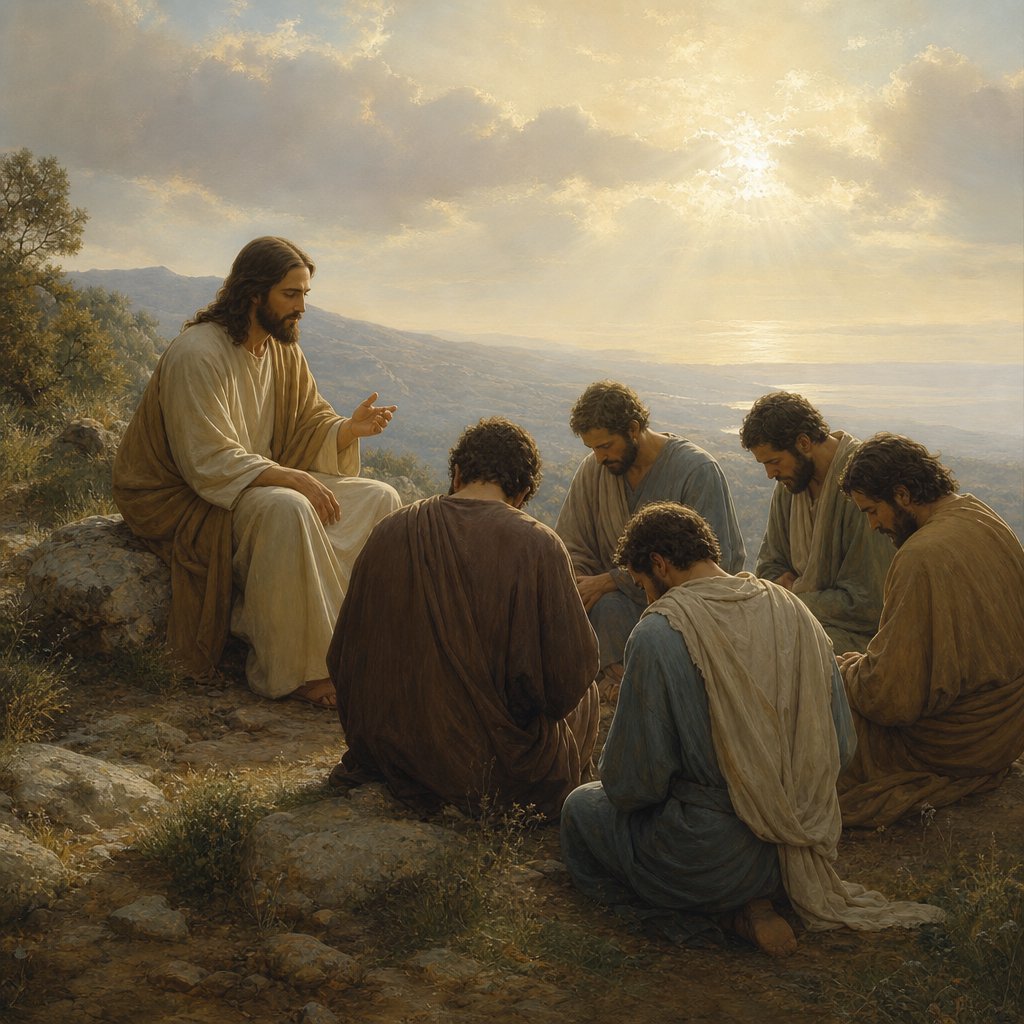
Luke 11:2 in the King James Version reads, “And he said unto them, When ye pray, say, Our Father which art in heaven, Hallowed be thy name. Thy kingdom come. Thy will be done, as in heaven, so in earth.”
In context, this verse sits inside a moment of discipleship and intimacy. Jesus has been praying, and when he finishes, one of his disciples asks, “Lord, teach us to pray, as John also taught his disciples” (Luke 11:1, KJV). What follows is not merely a set of words to recite but a divinely ordered pattern that teaches what prayer is for, who God is, who the praying person is, and what the world is moving toward. Luke’s account gives a concentrated form of what is often called “the Lord’s Prayer,” and in Luke it functions as Jesus’ direct answer to the disciples’ desire to learn communion with God, not simply religious technique.
The opening address, “Our Father which art in heaven,” places prayer immediately in the realm of relationship. God is named “Father,” not as a sentimental label, but as a covenantal reality: he is the true source, protector, and authority for his people. The word “Our” matters as much as “Father.” Even when one prays alone, Jesus teaches that prayer is not self-enclosed; it is bound to a community. It assumes a people who belong to God together. Yet this Father is also “in heaven,” which guards the intimacy from becoming casual familiarity. Heaven in Scripture signals transcendence, reign, and otherness. The prayer begins by holding together nearness and holiness: God is approachable as Father, but he is exalted as the One enthroned above.
“Hallowed be thy name” moves from relationship into worship. To “hallow” is to treat as holy, to set apart, to reverence. In biblical thought, the “name” is not a mere title; it stands for God’s revealed character, his reputation, his self-disclosure in the world. This petition is not only that people would speak of God respectfully, but that God’s holiness would be recognized, honored, and displayed. There is also a subtle moral implication: the one who prays for God’s name to be hallowed is implicitly asking that their own life would not profane that name. Since God’s name is bound to his people in the world, this prayer seeks a reality where God is seen as he truly is.
“Thy kingdom come” turns prayer outward and forward. The “kingdom” in Luke is a major theme: God’s active reign breaking into history through Jesus Christ. To pray for the kingdom to come is to ask for the advance of God’s rule—his saving power, his justice, his truth, his order—over against the dominion of sin, sickness, oppression, and death. It is both present and future in its horizon. The kingdom has already drawn near in the ministry of Jesus, yet it still must come in fullness. This line therefore carries the longing of God’s people for the world to be put right under God’s rightful King. It is a prayer of hope, but also a prayer that reorients the heart: the highest good is not the success of one’s private plans, but the arrival and triumph of God’s reign.
“Thy will be done, as in heaven, so in earth” deepens the kingdom petition by describing what the coming of the kingdom looks like. God’s will is perfectly done “in heaven”; heaven is the realm where God’s purposes are obeyed without resistance. Earth, by contrast, is marked by rebellion, distortion, and fractured desire. This petition is therefore a request for alignment: for the world, and the person praying, to be brought into conformity with God’s holy intention. It is not fatalism, as though God’s will happens regardless of human response, but a surrender and an appeal: “Let your purposes prevail; let my will be reshaped.” It also implies a vision of restoration. The gap between heaven and earth—between perfect obedience and brokenness—is to be closed. Prayer, in this sense, participates in God’s renewing work, asking that earth would increasingly reflect the order, purity, and peace of heaven.
There is symbolism and theological weight in the progression of the verse. Jesus begins prayer with God’s glory and God’s reign before any mention of personal needs (which appear in the verses that follow). That order teaches significance: true prayer is not first a tool to get things from God, but a way of returning God to the center. It trains desire. It lifts the eyes upward before looking at daily bread, forgiveness, and deliverance. The address to the Father establishes access; the hallowing of the name establishes reverence; the coming kingdom establishes ultimate hope; the doing of God’s will establishes submission and transformation. Taken together, Luke 11:2 presents prayer as worshipful relationship, communal identity, eschatological longing, and surrendered obedience.
The verse’s significance is that it gives a model in which God is not treated as a means to an end. Instead, the first movements of prayer are doxological and kingdom-shaped. In this way, Jesus teaches that the heart of prayer is to desire what is supremely true: that the Father who is in heaven would be honored, that his reign would advance, and that his will would be performed on earth with the same fullness and purity with which it is done in heaven.
Have questions about Luke 11:2?
Dive deeper into this scripture with Bible Chat — an AI-powered tool for exploring God's Word through conversation. Ask questions, get context, and grow in your understanding of the Bible.
Get Our Apps


Luke 11:2 Artwork

Luke 11:2 - "And he said unto them, When ye pray, say, Our Father which art in heaven, Hallowed be thy name. Thy kingdom come. Thy will be done, as in heaven, so in earth."
"And he said unto them, When ye pray, say, Our Father which art in heaven, Hallowed be thy name. Thy kingdom come. Thy will be done, as in heaven, so in earth." - Luke 11:2

luke 11:23

Luke 2:11 - "For unto you is born this day in the city of David a Saviour, which is Christ the Lord."

Luke 11:14-15

2 Timothy 4:11 - "Only Luke is with me. Take Mark, and bring him with thee: for he is profitable to me for the ministry."

"For unto you is born this day in the city of David a Saviour, which is Christ the Lord." - Luke 2:11
Luke 11:9

luke 11:23

luke 11:23

luke 11:23

Luke 8:11

Luke 11:9
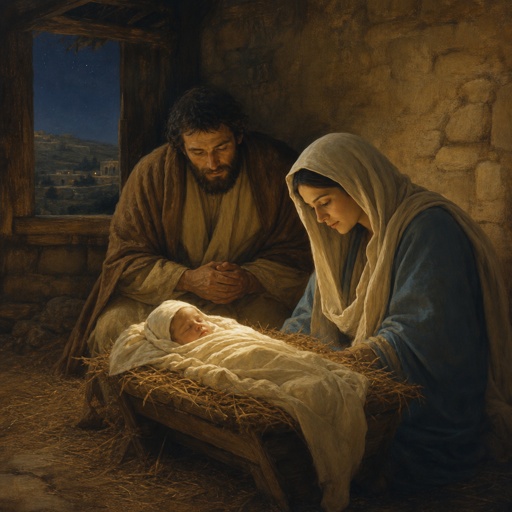
"For unto you is born this day in the city of David a Saviour, which is Christ the Lord." - Luke 2:11

Luke 1:11-12

Luke 11:1-14

Luke 11:9-10

Luke 11:1-14

Luke 5:1-11

Luke 15:11-32

Luke 1:11-12

Luke 1:11-12

Luke 5:1-11

Luke 1:11-12

Luke 8:11 - "Now the parable is this: The seed is the word of God."
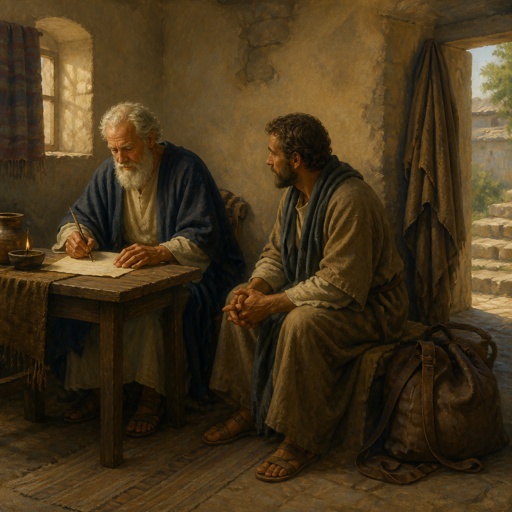
"Only Luke is with me. Take Mark, and bring him with thee: for he is profitable to me for the ministry." - 2 Timothy 4:11

Luke 11:35 - "Take heed therefore that the light which is in thee be not darkness."

Luke 15:11 - "¶ And he said, A certain man had two sons:"

Luke 11:25 - "And when he cometh, he findeth it swept and garnished."

Luke 11:3 - "Give us day by day our daily bread."