What does Luke 11:40 mean?
“Ye fools, did not he that made that which is without make that which is within also?” — Luke 11:40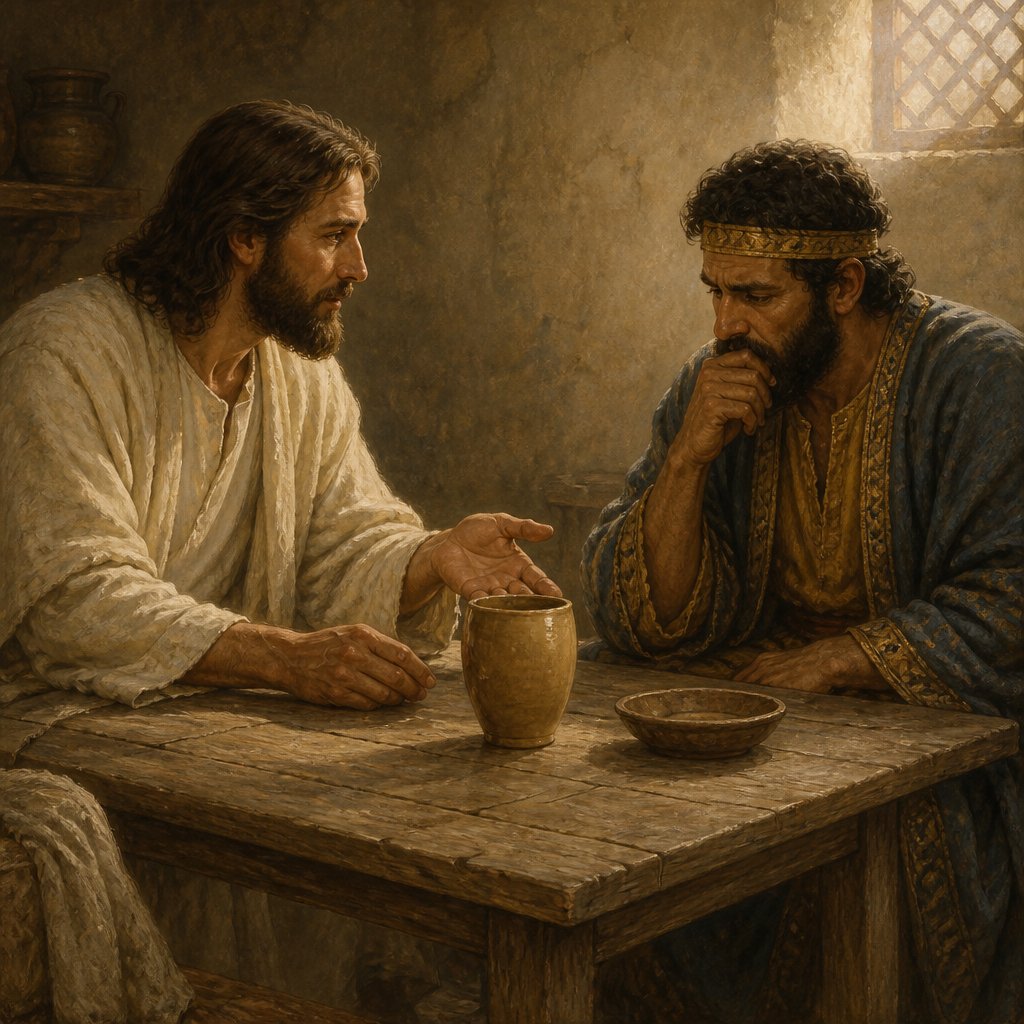
The verse Luke 11:40 in the King James Version of the Bible reads: "Ye fools, did not he that made that which is without make that which is within also?"
This verse is part of a passage in which Jesus confronts the Pharisees and religious leaders of his time. In verses 37-54 of Luke 11, Jesus delivers a series of rebukes and warnings to the Pharisees, criticizing them for their hypocrisy, greed, and failure to truly follow God's will. In this particular verse, Jesus is challenging the Pharisees' preoccupation with outward appearances and rituals, and urging them to consider the state of their hearts and inner selves.
The theme of inner purity and hypocrisy runs throughout the entire passage and indeed throughout the New Testament. In this particular verse, Jesus is pointing out the folly of the Pharisees' emphasis on external rituals and appearances, while neglecting the state of their hearts and inner beings. He is reminding them that the same God who created the external world also created the internal world, and that both are equally important to God.
This verse also carries a message of authenticity and sincerity in one's relationship with God. Jesus is challenging the Pharisees to be true to themselves and to God, rather than putting on a show of righteousness for others to see. This theme of authenticity and sincerity is a central message of Jesus' teachings, as he consistently urges his followers to be genuine and honest in their faith and actions.
The context of this verse is also important for understanding its full meaning. The Pharisees were a sect of Jewish religious leaders who were known for their strict adherence to religious laws and traditions. However, Jesus frequently criticized them for their legalism, self-righteousness, and failure to embody the true spirit of God's law. In this passage, he is highlighting the disconnect between the Pharisees' outward piety and their inward lack of true righteousness.
The symbolism in this verse is also noteworthy. The contrast between "that which is without" and "that which is within" can be seen as symbolic of the contrast between external appearances and internal character. Jesus is using this symbolism to emphasize the importance of inner purity and authenticity in one's relationship with God. He is challenging the Pharisees to look beyond the surface and to focus on the condition of their hearts and souls.
Overall, Luke 11:40 is a powerful reminder of the importance of inner purity, authenticity, and sincerity in one's relationship with God. It challenges us to look beyond external appearances and rituals, and to focus on the state of our hearts and inner beings. In a broader sense, this verse serves as a timeless warning against hypocrisy and a call to genuine faith and righteousness.
Get our apps


Artwork for Luke 11:40

Luke 11:40 - "Ye fools, did not he that made that which is without make that which is within also?"
"Ye fools, did not he that made that which is without make that which is within also?" - Luke 11:40

Luke 1:40 - "And entered into the house of Zacharias, and saluted Elisabeth."

Luke 20:40 - "And after that they durst not ask him any question at all."

Psalms 40: 1:-11

luke 11:23

Luke 9:40 - "And I besought thy disciples to cast him out; and they could not."

Luke 11:14-15

Luke 6:40 - "The disciple is not above his master: but every one that is perfect shall be as his master."

1 Chronicles 11:40 - "Ira the Ithrite, Gareb the Ithrite,"

Luke 12:40 - "Be ye therefore ready also: for the Son of man cometh at an hour when ye think not."

Luke 22:40 - "And when he was at the place, he said unto them, Pray that ye enter not into temptation."

Luke 2:40 - "And the child grew, and waxed strong in spirit, filled with wisdom: and the grace of God was upon him."

Luke 24:40 - "And when he had thus spoken, he shewed them his hands and his feet."

Exodus 40:11 - "And thou shalt anoint the laver and his foot, and sanctify it."

"And entered into the house of Zacharias, and saluted Elisabeth." - Luke 1:40

Luke 8:40 - "And it came to pass, that, when Jesus was returned, the people gladly received him: for they were all waiting for him."

Luke 18:40 - "And Jesus stood, and commanded him to be brought unto him: and when he was come near, he asked him,"

Luke 23:40 - "But the other answering rebuked him, saying, Dost not thou fear God, seeing thou art in the same condemnation?"
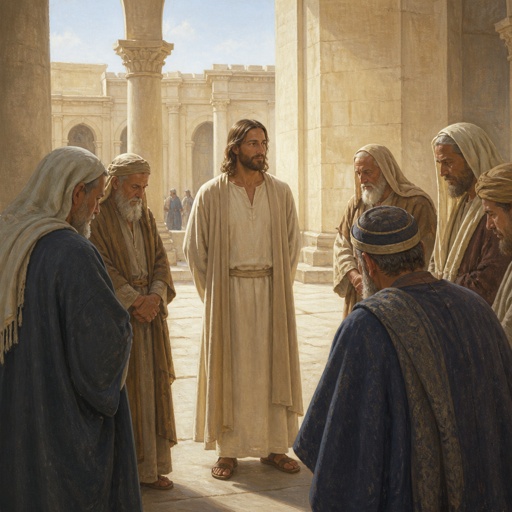
"And after that they durst not ask him any question at all." - Luke 20:40

Luke 7:40 - "And Jesus answering said unto him, Simon, I have somewhat to say unto thee. And he saith, Master, say on."

Judges 11:40 - "That the daughters of Israel went yearly to lament the daughter of Jephthah the Gileadite four days in a year."

Ezekiel 40:11 - "And he measured the breadth of the entry of the gate, ten cubits; and the length of the gate, thirteen cubits."

Job 40:11 - "Cast abroad the rage of thy wrath: and behold every one that is proud, and abase him."

Luke 19:40 - "And he answered and said unto them, I tell you that, if these should hold their peace, the stones would immediately cry out."

"Ira the Ithrite, Gareb the Ithrite," - 1 Chronicles 11:40

Hebrews 11:40 - "God having provided some better thing for us, that they without us should not be made perfect."

"And I besought thy disciples to cast him out; and they could not." - Luke 9:40

Luke 6:40 A disciple is not above his teacher, but everyone who is perfectly trained will be like his teacher.

Luke 2:40 And the Child grew and became strong in spirit, filled with wisdom; and the grace of God was upon Him.