What does Luke 12:24-27 mean?
"Consider the ravens: for they neither sow nor reap; which neither have storehouse nor barn; and God feedeth them: how much more are ye better than the fowls? And which of you with taking thought can add to his stature one cubit? If ye then be not able to do that thing which is least, why take ye thought for the rest? Consider the lilies how they grow: they toil not, they spin not; and yet I say unto you, that Solomon in all his glory was not arrayed like one of these." - Luke 12:24-27
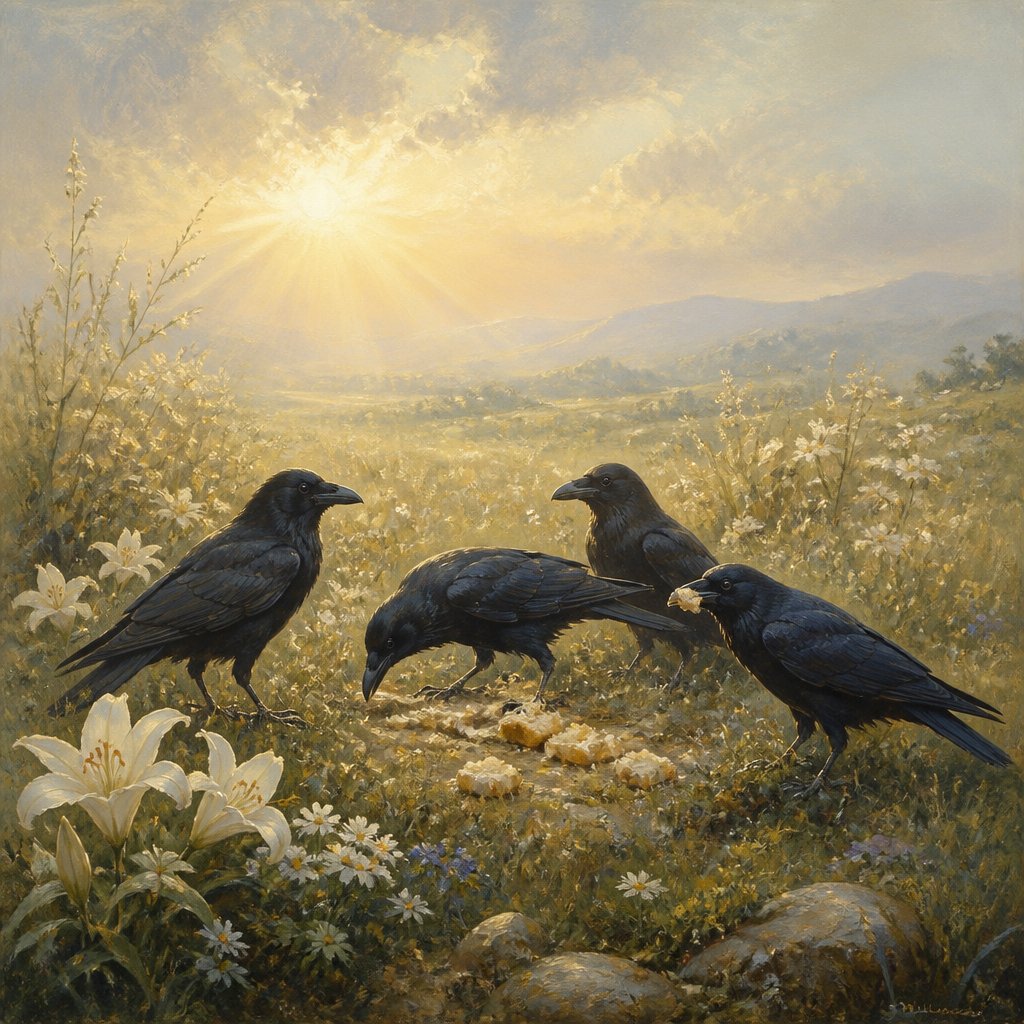
Luke 12:24-27 in the King James Version (KJV) of the Bible reads, "Consider the ravens: for they neither sow nor reap; which neither have storehouse nor barn, and God feedeth them: how much more are ye better than the fowls? And which of you with taking thought can add to his stature one cubit? If ye then be not able to do that thing which is least, why take ye thought for the rest? Consider the lilies how they grow: they toil not, they spin not; and yet I say unto you, that Solomon in all his glory was not arrayed like one of these. If then God so clothe the grass, which is to day in the field, and to morrow is cast into the oven; how much more will he clothe you, O ye of little faith."
In these verses, Jesus is speaking to his disciples, teaching them about the importance of trust and faith in God. There are several key themes and messages in this passage, including provision, worry, and faith.
The first theme in these verses is that of provision. Jesus uses the examples of the ravens and the lilies to illustrate how God provides for all of His creation. The ravens neither sow nor reap, yet God feeds them. The lilies do not toil or spin, yet God clothes them in splendor. The message here is that God provides for His creation, and as His children, we can trust that He will also provide for us. This theme speaks to the idea of God’s faithfulness and the importance of relying on Him for our needs.
Another theme in this passage is that of worry. Jesus asks his disciples, "Which of you with taking thought can add to his stature one cubit?" He is pointing out the futility of worry and anxiety. He is emphasizing the pointlessness of worrying about things that are beyond our control. Instead, we should trust in God to provide for us and meet our needs. This message is especially relevant in today's society, where worry and anxiety are prevalent, and people are constantly striving to control every aspect of their lives. Jesus’ words remind us to let go of our worries and trust in God's provision.
The final theme in these verses is that of faith. Jesus rebukes his disciples for their lack of faith, saying, "O ye of little faith." He is challenging them to trust in God’s provision and to have faith that He will take care of them. This message is echoed throughout the New Testament, with Jesus frequently encouraging His followers to have faith and trust in God. This theme speaks to the importance of faith in the Christian life and the necessity of relying on God’s faithfulness.
The context of this passage is important to consider as well. Jesus is in the midst of teaching a large crowd, and He is addressing his disciples directly. His words are meant to encourage and exhort them to trust in God and not to worry about their needs. He is using simple examples from nature to illustrate profound spiritual truths. Jesus’ teaching is always practical and relevant to everyday life, and these verses are no exception.
In terms of symbolism, the ravens and lilies are used as symbols of God’s provision and care. The ravens, with their reputation for being scavengers, are a surprising example of God’s care for even the lowliest creatures. The lilies, with their beauty and simplicity, are a symbol of God’s creative power and attention to detail. Both of these examples serve to illustrate the abundance of God’s provision and care for His creation.
In conclusion, Luke 12:24-27 contains powerful teachings about provision, worry, and faith. Jesus uses simple examples from nature to convey profound spiritual truths. The themes of provision, worry, and faith are timeless and continue to resonate with believers today. These verses remind us of God’s faithfulness and challenge us to trust in His provision and care. As we consider the teachings of Jesus in these verses, we are encouraged to let go of our worries and anxieties and to have faith in God’s loving care for us.
Have questions about Luke 12:24-27?
Dive deeper into this scripture with Bible Chat — an AI-powered tool for exploring God's Word through conversation. Ask questions, get context, and grow in your understanding of the Bible.
Get Our Apps


Luke 12:24-27 Artwork

Luke 12:24-27 - "Consider the ravens: They do not sow or reap, they have no storeroom or barn; yet God feeds them. And how much more valuable you are than birds! Who of you by worrying can add a single hour to your life? Since you cannot do this very little thing, why do you worry about the rest? Consider how the wild flowers grow. They do not labor or spin. Yet I tell you, not even Solomon in all his splendor was dressed like one of these."
"Consider the ravens: They do not sow or reap, they have no storeroom or barn; yet God feeds them. And how much more valuable you are than birds! Who of you by worrying can add a single hour to your life? Since you cannot do this very little thing, why do you worry about the rest? Consider how the wild flowers grow. They do not labor or spin. Yet I tell you, not even Solomon in all his splendor was dressed like one of these." - Luke 12:24-27

Luke 24:27 - "And beginning at Moses and all the prophets, he expounded unto them in all the scriptures the things concerning himself."

James 1:2-4

James 1: 2-4

Joel 1:2-4, 13-20

Luke 12:27 - "Consider the lilies how they grow: they toil not, they spin not; and yet I say unto you, that Solomon in all his glory was not arrayed like one of these."

Luke 24:12 - "Then arose Peter, and ran unto the sepulchre; and stooping down, he beheld the linen clothes laid by themselves, and departed, wondering in himself at that which was come to pass."

Luke 12:24 - "Consider the ravens: for they neither sow nor reap; which neither have storehouse nor barn; and God feedeth them: how much more are ye better than the fowls?"
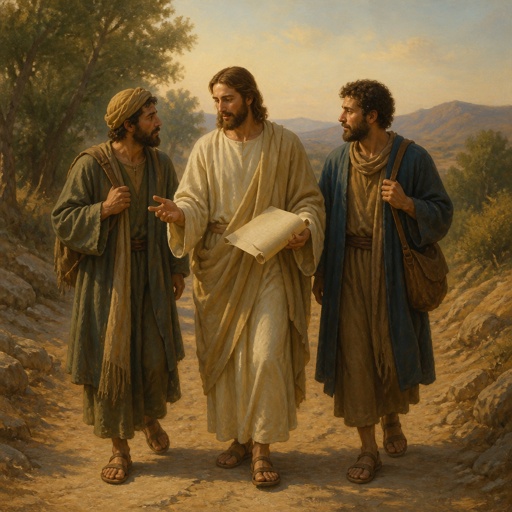
"And beginning at Moses and all the prophets, he expounded unto them in all the scriptures the things concerning himself." - Luke 24:27

Galatians 4:24-27

Matthew 24:27

Genesis 24-27

luke 1:27

luke 6: 27

Luke 10:27

Luke 24:12 But Peter arose and ran to the tomb; and stooping down, he saw the linen cloths lying by themselves; and he departed, marveling to himself at what had happened.

Luke 24:12 But Peter arose and ran to the tomb; and stooping down, he saw the linen cloths lying by themselves; and he departed, marveling to himself at what had happened.

Luke 24:12 But Peter arose and ran to the tomb; and stooping down, he saw the linen cloths lying by themselves; and he departed, marveling to himself at what had happened.

Matthew 7:24-27

Luke 6: 27-38

Luke 24:1

Luke 24:35

Luke 24:42

Luke 21:24

Luke 13:24

luke 24:17

Luke 6:27-38

Luke 13:28-27

Luke 13:28-27