What does Luke 12:26 mean?
“If ye then be not able to do that thing which is least, why take ye thought for the rest?” — Luke 12:26
The verse Luke 12:26 in the King James Version of the Bible reads, “If ye then be not able to do that thing which is least, why take ye thought for the rest?” This verse is part of a larger passage in which Jesus is teaching his disciples about their dependence on God and the futility of worrying about material needs. This passage is part of the larger context of Jesus’ teachings on faith and trusting in God’s provision.
This verse is situated within the teachings of Jesus in the Gospel of Luke, which focuses on themes of poverty, wealth, and the nature of true discipleship. Throughout Luke’s Gospel, Jesus often challenges his followers to re-evaluate their priorities and trust in God’s provision rather than earthly riches. In this particular passage, Jesus is urging his disciples to shift their focus from worrying about material needs to trusting in God’s ability to provide for them.
The verse Luke 12:26 is part of a larger narrative in which Jesus uses examples from nature to illustrate his point about worrying. In the preceding verses, Jesus references how God takes care of the birds in the air and the flowers in the field, providing for their needs without them having to worry. He then goes on to ask his disciples why they are so concerned about their own material needs when they are of much greater value than the birds and the flowers.
The deeper meaning of this verse is that Jesus is calling his disciples to have faith in God’s provision and to let go of their worries about material needs. By pointing out the futility of worrying about even the smallest things, Jesus is challenging his followers to trust in God’s care and providence for all aspects of their lives. This verse emphasizes the importance of faith and trust in God’s ability to provide, and serves as a reminder to prioritize spiritual needs over material concerns.
In terms of symbolism, this verse can be seen as representing the broader theme of trusting in God’s sovereignty and provision. By highlighting the insignificance of worrying about even the least of things, Jesus is emphasizing the futility of human efforts to control their own circumstances. This verse serves as a symbolic reminder of the need to surrender to God’s will and trust in His ability to take care of His people.
In conclusion, the verse Luke 12:26 in the King James Version of the Bible conveys a powerful message about the importance of faith and trust in God’s provision. It is situated within the larger context of Jesus’ teachings on the nature of true discipleship and the folly of worrying about material needs. This verse serves as a poignant reminder to prioritize spiritual concerns over worldly anxieties and to trust in God’s goodness and provision. It is a symbolic representation of the broader theme of trusting in God’s sovereignty and letting go of human efforts to control our own circumstances.
Get our apps


Artwork for Luke 12:26

Luke 12:26 - "If ye then be not able to do that thing which is least, why take ye thought for the rest?"

"If ye then be not able to do that thing which is least, why take ye thought for the rest?" - Luke 12:26

Luke 12:25-26

Luke 12:25-26

Luke 12:25-26

Luke 12:25-26
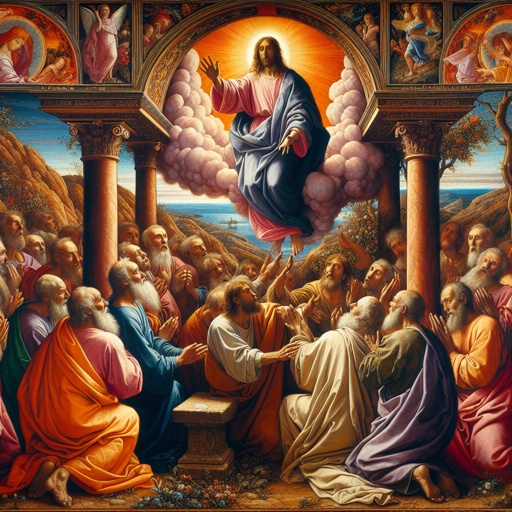
Luke 12:25-26

Luke 12:25-26

Luke 12:25-26

Luke 12:25-26 - "Who of you by worrying can add a single hour to your life? Since you cannot do this very little thing, why do you worry about the rest?"

luke 1:26

luke 1:26

Luke 1:26

Luke 16:22-26

Luke 6:21-26

Luke 6:21-26

Luke 5:17-26

Luke 18:26 - "And they that heard it said, Who then can be saved?"

Genisis 26:12

Luke 8:26 - "¶ And they arrived at the country of the Gadarenes, which is over against Galilee."

Luke 17:26 - "And as it was in the days of Noe, so shall it be also in the days of the Son of man."

Luke 15:26 - "And he called one of the servants, and asked what these things meant."

Luke 12:25
Luke 12:25

Luke 12: 49

Luke 12:34

Luke 12:10

Luke 12:50

Luke 10:26 - "He said unto him, What is written in the law? how readest thou?"

Luke 12:12 - "For the Holy Ghost shall teach you in the same hour what ye ought to say."