What does Luke 12:57 mean?
“Yea, and why even of yourselves judge ye not what is right?” — Luke 12:57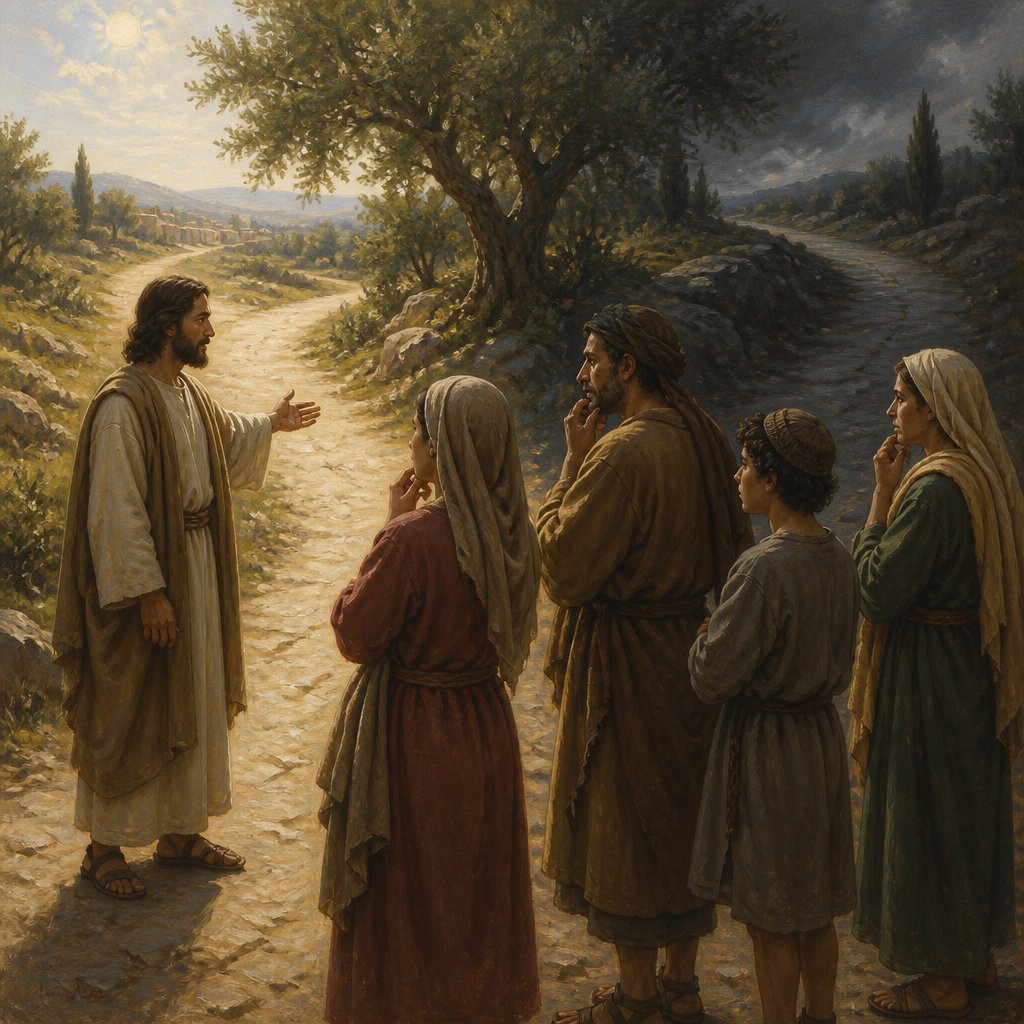
Luke 12:57 (KJV) states, "Yea, and why even of yourselves judge ye not what is right?" This verse is part of a larger passage in the book of Luke where Jesus is speaking to a crowd about the signs of the times and the necessity of repentance. In this specific verse, Jesus is addressing the people's ability to discern what is right and make sound judgments. He is challenging them to reflect on their own actions and decisions, urging them to seek righteousness in their lives.
In this verse, Jesus is emphasizing the importance of self-reflection and personal responsibility. He starts by saying "Yea," which can be interpreted as "yes" or "indeed." This sets the tone for a statement that demands the attention of the listener. Jesus is calling the crowd to consider their own actions and decisions in light of what is right and just.
The question "why even of yourselves judge ye not what is right?" is a rhetorical question that challenges the audience to examine why they are not using their ability to discern what is right. Jesus is urging them to take responsibility for their own judgments and actions, rather than relying on others to dictate what is right or wrong. This is a call to self-reflection and personal accountability, emphasizing the importance of making sound and righteous decisions.
One of the key themes in this verse is the necessity of personal discernment and judgment. Jesus is challenging the crowd to reflect on their own actions and decisions, and to use their God-given ability to discern what is right. This theme of personal responsibility is echoed throughout the New Testament, as Jesus often calls individuals to take ownership of their faith and actions. The verse reminds believers of the importance of aligning their choices with God's standards of righteousness.
Another theme present in this verse is the call to seek righteousness. By asking why the people are not judging what is right, Jesus is emphasizing the importance of living according to God's moral standards. This theme is consistent throughout the Bible, as God calls His people to live in a manner that reflects His righteousness and holiness. The verse serves as a reminder that believers are called to seek justice, love mercy, and walk humbly with their God (Micah 6:8), and to make decisions based on God's truth and righteousness.
The context of this verse is also important for understanding its meaning. In the preceding verses, Jesus is addressing the crowds and warning them about the signs of the times. He speaks about the need for repentance and the importance of being prepared for the coming judgment. In this broader context, Luke 12:57 serves as a call to action for the listeners. It is a challenge to consider their own lives and to make choices that align with God's righteousness.
Furthermore, Jesus is addressing a crowd that may have been influenced by the external judgments and expectations of the religious leaders of the time. By asking the crowd why they do not judge what is right, Jesus is challenging them to think critically about the standards they are following and to align themselves with God's truth rather than the opinions of others.
Symbolically, this verse can be seen as an invitation to introspection and self-examination. The question "why even of yourselves judge ye not what is right?" prompts individuals to consider their own moral compass and the standards by which they make decisions. It calls for a deep examination of one's own heart and motives, urging individuals to seek God's righteousness in all areas of life.
In conclusion, Luke 12:57 (KJV) carries a powerful message about personal responsibility, discernment, and righteousness. It challenges believers to examine their own lives, make sound judgments, and seek God's truth in all things. The verse serves as a timeless reminder of the importance of aligning one's choices with God's moral standards and the call to take ownership of one's faith and actions.
Get our apps


Artwork for Luke 12:57

Luke 12:57 - "Yea, and why even of yourselves judge ye not what is right?"

"Yea, and why even of yourselves judge ye not what is right?" - Luke 12:57

Luke 22:57 - "And he denied him, saying, Woman, I know him not."

Luke 1:57 - "Now Elisabeth's full time came that she should be delivered; and she brought forth a son."

Isaiah 57:12 - "I will declare thy righteousness, and thy works; for they shall not profit thee."

Luke 9:57 - "¶ And it came to pass, that, as they went in the way, a certain man said unto him, Lord, I will follow thee whithersoever thou goest."
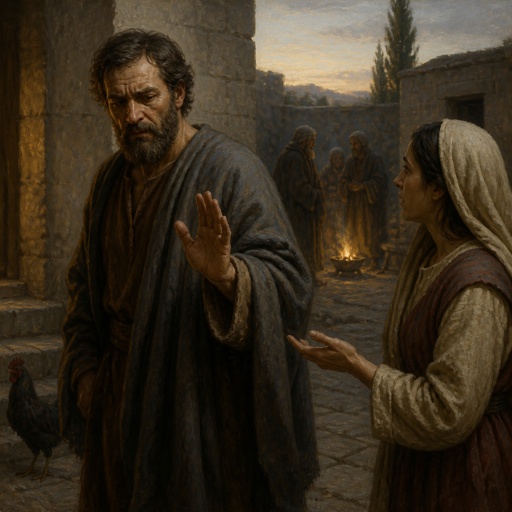
"And he denied him, saying, Woman, I know him not." - Luke 22:57

"I will declare thy righteousness, and thy works; for they shall not profit thee." - Isaiah 57:12

"Now Elisabeth's full time came that she should be delivered; and she brought forth a son." - Luke 1:57

"¶ And it came to pass, that, as they went in the way, a certain man said unto him, Lord, I will follow thee whithersoever thou goest." - Luke 9:57

Luke 12:25

Luke 12:25

Luke 12: 49

Luke 12:34

Luke 12:10

Luke 12:50

Luke 12:12 - "For the Holy Ghost shall teach you in the same hour what ye ought to say."

Luke 1:11-12

Luke 12:25-26

Luke 12:25-26

Luke 12:25-26

Luke 12:25-26
Luke 12:25-26

Luke 12:25-26

Luke 1:11-12

Luke 12:25-26

Luke 1:11-12

Luke 1:11-12

Luke 12:34 - "For where your treasure is, there will your heart be also."

Luke 12:23 - "The life is more than meat, and the body is more than raiment."