What does Luke 13:6-9 mean?
"He spake also this parable; A certain man had a fig tree planted in his vineyard; and he came and sought fruit thereon, and found none. Then said he unto the dresser of his vineyard, Behold, these three years I come seeking fruit on this fig tree, and find none: cut it down; why cumbereth it the ground? And he answering said unto him, Lord, let it alone this year also, till I shall dig about it, and dung it: And if it bear fruit, well: and if not, then after that thou shalt cut it down." - Luke 13:6-9
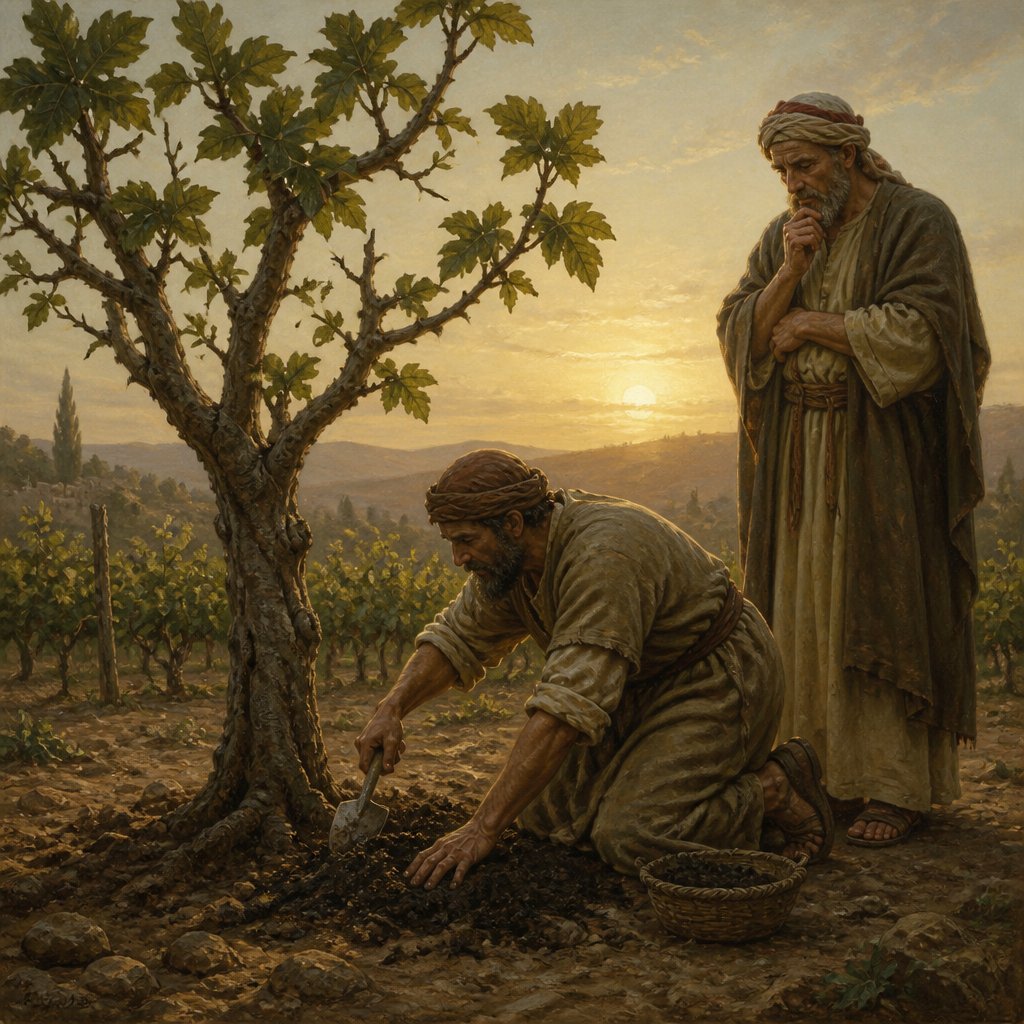
In the Gospel of Luke, Chapter 13, verses 6-9, we read the parable of the barren fig tree as follows:
"He spake also this parable; A certain man had a fig tree planted in his vineyard; and he came and sought fruit thereon, and found none. Then said he unto the dresser of his vineyard, Behold, these three years I come seeking fruit on this fig tree, and find none: cut it down; why cumbereth it the ground? And he answering said unto him, Lord, let it alone this year also, till I shall dig about it, and dung it: And if it bear fruit, well: and if not, then after that thou shalt cut it down."
The parable of the barren fig tree is a powerful teaching from Jesus about the need for repentance and the patience and mercy of God. In this parable, the fig tree represents Israel, and the owner of the vineyard is God. The fig tree was planted in a place where it could receive all the necessary conditions for fruitful growth, yet it did not produce any fruit. The owner's response to the barren fig tree was to cut it down, but the vineyard dresser pleaded for more time and care to see if it would bear fruit.
The barer fig tree represents the spiritual condition of the people of Israel. Despite being chosen by God and given everything necessary for spiritual growth, they had failed to produce the fruits of righteousness, repentance, and obedience. The owner’s desire to cut down the fig tree symbolizes God’s judgment on Israel for their unfaithfulness and lack of repentance.
The vineyard dresser, however, represents Jesus, who intercedes on behalf of the people, asking for more time and offering hope for transformation and spiritual growth. The dresser is symbolic of Jesus's ministry, relentlessly advocating for the spiritual well-being of God's chosen people. His plea for another chance reflects God's patience and mercy, as he is willing to give people more opportunities to turn their hearts towards him.
The parable also highlights the importance of repentance and the potential for transformation. The vineyard dresser promises to dig around the fig tree and apply dung to fertilize it, representing the work of the Holy Spirit to cultivate and nourish the hearts of the people, giving them the possibility to change and produce fruits of righteousness.
The parable of the barren fig tree serves as a warning to Israel and all believers about the consequences of unfaithfulness and the need for genuine repentance. It also reveals God's patience and mercy, offering hope for transformation and redemption. It reminds us that our lives are meant to bear fruit for God's kingdom, and if we fail to do so, there will be consequences. However, God is patient and gives us opportunities to turn from our sinful ways and produce fruits that are pleasing to him.
The parable also speaks to the broader theme of God's faithfulness and the call for believers to repent and bear fruits of righteousness. It reflects the idea that God continually provides the necessary conditions for spiritual growth and transformation, but it is up to individuals to respond with repentance and obedience.
In conclusion, the parable of the barren fig tree from Luke 13:6-9 is a powerful metaphor for the spiritual condition of Israel and a universal call for repentance and transformation. It reflects God's patience and mercy, as well as the consequences of unfaithfulness. It reminds us of the need to respond to God's grace with a life that bears the fruits of righteousness and obedience. This parable continues to be a poignant and relevant message for believers today, urging us to heed the call to repentance and to faithfully produce fruits that honor and glorify God.
Have questions about Luke 13:6-9?
Dive deeper into this scripture with Bible Chat — an AI-powered tool for exploring God's Word through conversation. Ask questions, get context, and grow in your understanding of the Bible.
Get Our Apps


Luke 13:6-9 Artwork

Luke 13:6-9

Luke 13:6-9 - "He also spoke this parable: “A certain man had a fig tree planted in his vineyard, and he came seeking fruit on it and found none. Then he said to the keeper of his vineyard, ‘Look, for three years I have come seeking fruit on this fig tree and find none. Cut it down; why does it use up the ground?’ But he answered and said to him, ‘Sir, let it alone this year also, until I dig around it and fertilize it. And if it bears fruit, well. But if not, after that you can cut it down.’"
"He also spoke this parable: “A certain man had a fig tree planted in his vineyard, and he came seeking fruit on it and found none. Then he said to the keeper of his vineyard, ‘Look, for three years I have come seeking fruit on this fig tree and find none. Cut it down; why does it use up the ground?’ But he answered and said to him, ‘Sir, let it alone this year also, until I dig around it and fertilize it. And if it bears fruit, well. But if not, after that you can cut it down.’" - Luke 13:6-9

Luke 13:9 - "And if it bear fruit, well: and if not, then after that thou shalt cut it down."

Matthew 6:9-13

Luke 9:6 - "And they departed, and went through the towns, preaching the gospel, and healing every where."
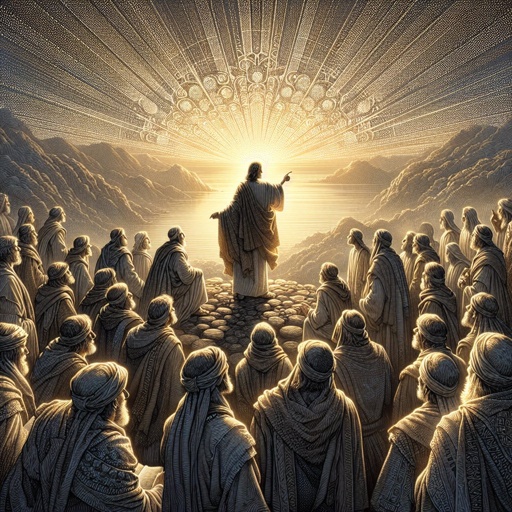
Luke 6:13 - "¶ And when it was day, he called unto him his disciples: and of them he chose twelve, whom also he named apostles;"

Luke 13:6 - "¶ He spake also this parable; A certain man had a fig tree planted in his vineyard; and he came and sought fruit thereon, and found none."
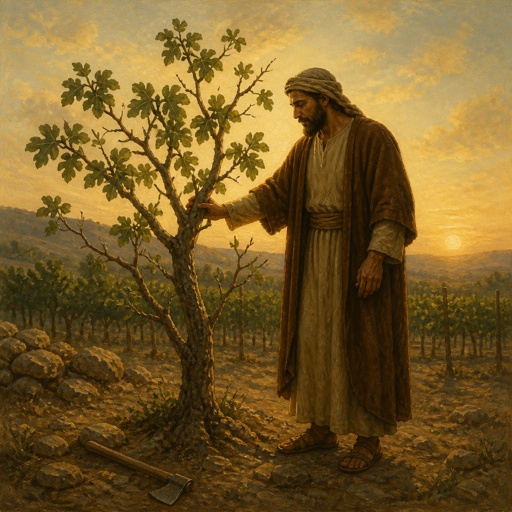
"And if it bear fruit, well: and if not, then after that thou shalt cut it down." - Luke 13:9
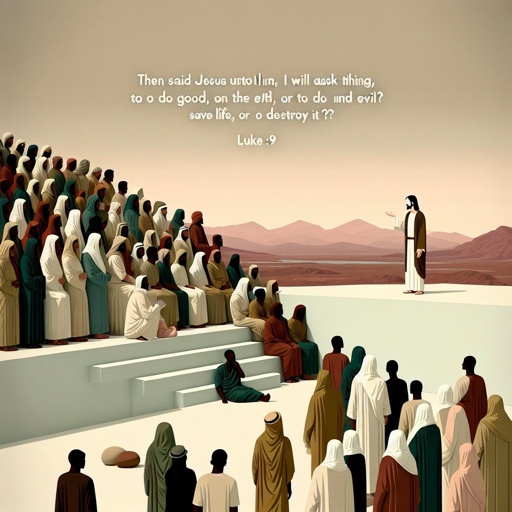
Luke 6:9 - "Then said Jesus unto them, I will ask you one thing; Is it lawful on the sabbath days to do good, or to do evil? to save life, or to destroy it?"
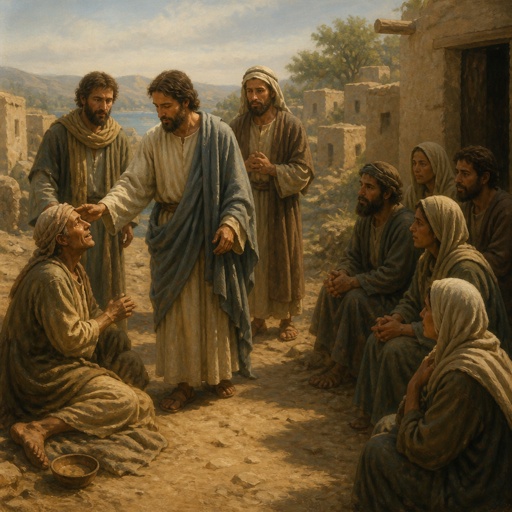
"And they departed, and went through the towns, preaching the gospel, and healing every where." - Luke 9:6

Luke 9:13 - "But he said unto them, Give ye them to eat. And they said, We have no more but five loaves and two fishes; except we should go and buy meat for all this people."

Luke 13:18-19

Luke 13:20-21

Luke 13:20-21

Luke 13:18-19
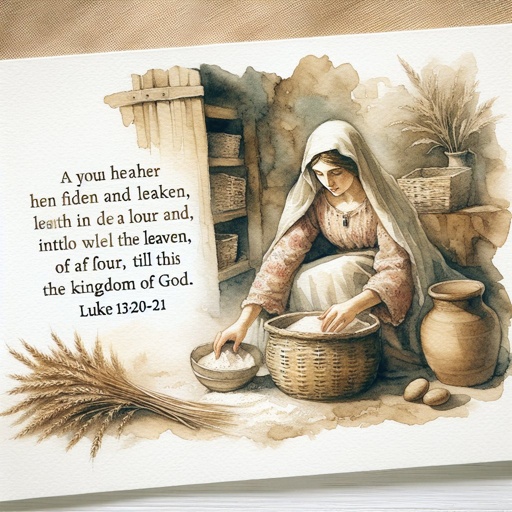
Luke 13:20-21

Luke 13:20-21

Luke 13:20-21

Luke 1:13

Luke 1:13

Luke 8:13

Luke 13:24

Luke 8:13

Luke 1:13

Luke 1:13

Luke 8:13

Luke 6

Luke 1:13

Luke 2:13