What does Luke 13:1 mean?
"There were present at that season some that told him of the Galilaeans, whose blood Pilate had mingled with their sacrifices." - Luke 13:1
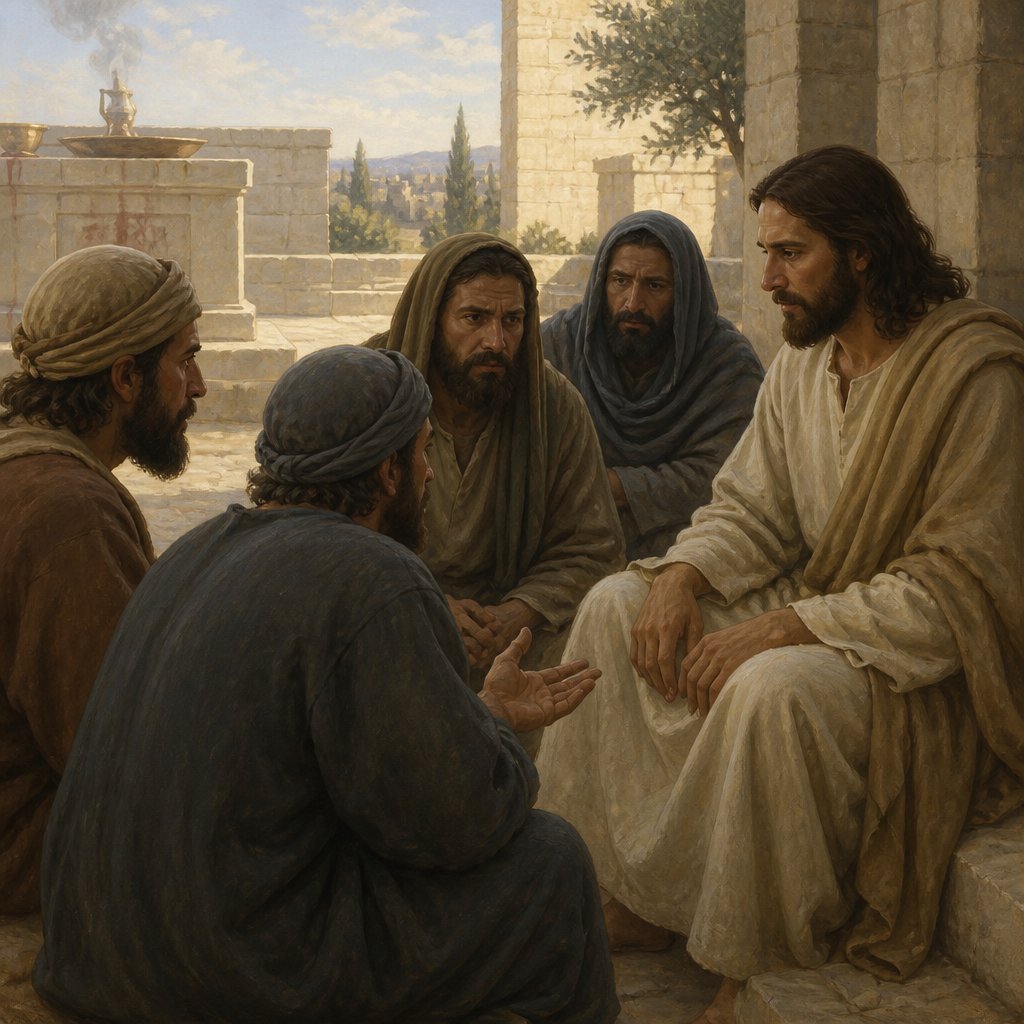
In Luke 13:1, the King James Version of the Bible reads, "There were present at that season some that told him of the Galilaeans, whose blood Pilate had mingled with their sacrifices." This verse is part of a larger passage in which Jesus addresses the crowd and discusses the concepts of repentance and the consequences of sin. In order to fully understand the meaning of this verse, it is important to examine it within its broader context and consider its historical and theological implications.
The passage begins with people telling Jesus about a group of Galileans who were killed by Pilate while they were offering sacrifices. This event likely took place in the temple in Jerusalem, as it was a common practice for Pilate, the Roman governor, to use force against those who disrupted the peace during religious ceremonies. The individuals who brought this incident to Jesus' attention may have been seeking his perspective on the tragedy. However, Jesus takes the opportunity to address a deeper issue – the idea that those who suffer such a fate are not necessarily greater sinners than others.
The verse raises important questions about the nature of suffering and the relationship between sin and calamity. It challenges the prevailing belief of the time that suffering was a direct result of sin. By mentioning this atrocity committed by Pilate, Jesus is highlighting the fact that tragic events such as this are not necessarily a punishment for the sins of those who suffer. This challenges the traditional understanding of cause and effect in the context of suffering and sin.
Furthermore, the verse encourages the listener to reflect on their own lives and consider their own moral standing. Jesus' response suggests that the Galileans who were killed were not more deserving of their fate than others who were spared. This challenges the notion that those who are fortunate enough to escape such a tragedy are somehow better or less sinful than those who do not.
The passage as a whole emphasizes the need for repentance and warns of the consequences of failing to turn away from sin. Jesus draws attention to another recent disaster – the collapse of the tower in Siloam which killed eighteen people. He tells his listeners that these victims were not any more sinful than those who had survived. Instead, he emphasizes that all people must repent, or they too will perish. This reinforces the idea that sin is universal and that everyone must turn away from it.
In addition to the thematic elements of suffering and repentance, there is also symbolism present in the verse. The mention of blood being mingled with sacrifices is significant in the context of Jewish religious practice. Sacrifices were central to the worship and atonement in the Jewish faith. The mingling of blood with the sacrifices in this incident denotes a violation of the sacred space of the temple and a desecration of the religious observance. This sacrilege would have been deeply shocking and offensive to the Jewish audience.
The verse in Luke 13:1 serves as a reminder of the complexities surrounding suffering and sin. It challenges the simplistic notion that tragedy is always a consequence of specific wrongdoing and encourages introspection and personal accountability. The passage presents Jesus as a teacher who seeks to elevate the understanding of his audience and offer a broader, more compassionate perspective on human suffering and the nature of sin. Ultimately, the verse encourages individuals to examine their own lives, turn away from sin, and seek reconciliation with God. This passage continues to resonate with readers today, offering timeless wisdom and insight into the human experience.
Have questions about Luke 13:1?
Dive deeper into this scripture with Bible Chat — an AI-powered tool for exploring God's Word through conversation. Ask questions, get context, and grow in your understanding of the Bible.
Get Our Apps


Luke 13:1 Artwork

Luke 13:1 - "There were present at that season some that told him of the Galilaeans, whose blood Pilate had mingled with their sacrifices."
"There were present at that season some that told him of the Galilaeans, whose blood Pilate had mingled with their sacrifices." - Luke 13:1

Luke 1:13

Luke 1:13

Luke 1:13

Luke 1:13

Luke 1:13

Luke 1:13

Luke 8:13

Luke 8:13

Luke 8:13

Luke 16:1-13

Luke 16:1-13

Luke 16:1-13

Luke 24:13-35

Luke 13:18-19

Luke 13:20-21

Luke 13:20-21

Luke 13:18-19
Luke 13:20-21

Luke 13:20-21

Luke 13:20-21

Luke 13:24

Luke 2:13

Luke 1:13 - "But the angel said unto him, Fear not, Zacharias: for thy prayer is heard; and thy wife Elisabeth shall bear thee a son, and thou shalt call his name John."

Luke 16:1-1313

Luke 13:13 - "And he laid his hands on her: and immediately she was made straight, and glorified God."

Luke 2:13-14

Luke 13:6-9

Luke 2:13-14