What does Luke 13:14 mean?
“And the ruler of the synagogue answered with indignation, because that Jesus had healed on the sabbath day, and said unto the people, There are six days in which men ought to work: in them therefore come and be healed, and not on the sabbath day.” — Luke 13:14
In Luke 13:14, Jesus performs a miraculous healing on a woman who had been afflicted with an infirmity for eighteen years. The verse reads: "And the ruler of the synagogue answered with indignation, because that Jesus had healed on the sabbath day, and said unto the people, There are six days in which men ought to work: in them therefore come and be healed, and not on the sabbath day."
This verse is a pivotal moment in the ministry of Jesus as it reveals his confrontations with the religious leaders of his time. The ruler of the synagogue represents the legalistic and rigid interpretation of the Sabbath law, which had become a burden to the people rather than a day of rest and worship. By healing the woman on the Sabbath, Jesus challenges the legalistic traditions and reveals the true purpose of the Sabbath as a day of mercy and restoration.
The context of this verse is important for understanding its significance. In the preceding verses, Jesus had been teaching in the synagogue and had encountered a woman who was bent over and unable to straighten up for eighteen years. Jesus calls her over and heals her, causing her to stand up straight and praise God. This act of healing on the Sabbath infuriates the ruler of the synagogue, who reprimands the people for seeking healing on the Sabbath day.
One of the themes that can be drawn from this verse is Jesus' compassion and mercy. The woman who was afflicted for eighteen years represents the oppressed and marginalized in society. Jesus sees her suffering and offers her healing, demonstrating his concern for the downtrodden and his desire to alleviate their pain. This is consistent with the broader message of Jesus' ministry, which emphasizes the importance of love, compassion, and justice for the marginalized and oppressed.
Another theme that emerges from this verse is the conflict between legalism and grace. The ruler of the synagogue embodies the legalistic interpretation of the Sabbath law, which prioritizes rules and regulations over the well-being of the people. Jesus, on the other hand, embodies grace and mercy, challenging the legalistic mindset and revealing the true purpose of the Sabbath as a day of rest and restoration. This conflict between legalism and grace is a recurring theme in the Gospels and serves as a reminder of the importance of prioritizing love and compassion over rigid adherence to religious laws.
The symbolism of the Sabbath is also significant in this verse. The Sabbath was a day set aside for rest and worship, but it had been burdened with legalistic rules and regulations that hindered its true purpose. By healing the woman on the Sabbath, Jesus reclaims the Sabbath as a day of mercy and restoration, symbolizing his role as the bringer of true rest and healing for the weary and burdened.
In conclusion, Luke 13:14 is a powerful and thought-provoking verse that highlights Jesus' confrontation with legalism and his demonstration of compassion and grace. It serves as a reminder of the importance of prioritizing love and mercy over rigid adherence to religious laws and traditions. It also symbolizes Jesus' role as the bringer of true rest and healing for the oppressed and marginalized. This verse is a powerful testament to the transformative and redemptive nature of Jesus' ministry, and it continues to inspire and challenge us to prioritize love and compassion in our own lives.
Get our apps


Artwork for Luke 13:14

Luke 13:14 - "And the ruler of the synagogue answered with indignation, because that Jesus had healed on the sabbath day, and said unto the people, There are six days in which men ought to work: in them therefore come and be healed, and not on the sabbath day."

Luke 13:14 But the ruler of the synagogue answered with indignation, because Jesus had healed on the Sabbath; and he said to the crowd, “There are six days on which men ought to work; therefore come and be healed on them, and not on the Sabbath day.”

Luke 13:14-16 - "And the ruler of the synagogue answered with indignation, because that Jesus had healed on the sabbath day, and said unto the people, There are six days in which men ought to work: in them therefore come and be healed, and not on the sabbath day. The Lord then answered him, and said, Thou hypocrite, doth not each one of you on the sabbath loose his ox or his ass from the stall, and lead him away to watering? And ought not this woman, being a daughter of Abraham, whom Satan hath bound, lo, these eighteen years, be loosed from this bond on the sabbath day?"

"And the ruler of the synagogue answered with indignation, because that Jesus had healed on the sabbath day, and said unto the people, There are six days in which men ought to work: in them therefore come and be healed, and not on the sabbath day." - Luke 13:14
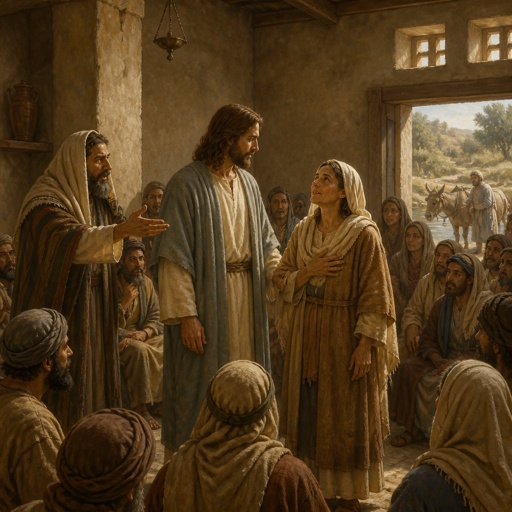
"And the ruler of the synagogue answered with indignation, because that Jesus had healed on the sabbath day, and said unto the people, There are six days in which men ought to work: in them therefore come and be healed, and not on the sabbath day. The Lord then answered him, and said, Thou hypocrite, doth not each one of you on the sabbath loose his ox or his ass from the stall, and lead him away to watering? And ought not this woman, being a daughter of Abraham, whom Satan hath bound, lo, these eighteen years, be loosed from this bond on the sabbath day?" - Luke 13:14-16

Luke 2:13-14

Luke 2:13-14

Luke 14:13 - "But when thou makest a feast, call the poor, the maimed, the lame, the blind:"

Luke 2:13-14 fine pointillism sytle

Luke 2:13-14 - "And suddenly there was with the angel a multitude of the heavenly host praising God, and saying, Glory to God in the highest, and on earth peace, good will toward men."

"But when thou makest a feast, call the poor, the maimed, the lame, the blind:" - Luke 14:13

Luke 13:18-19

Luke 13:20-21

Luke 13:20-21

Luke 13:18-19
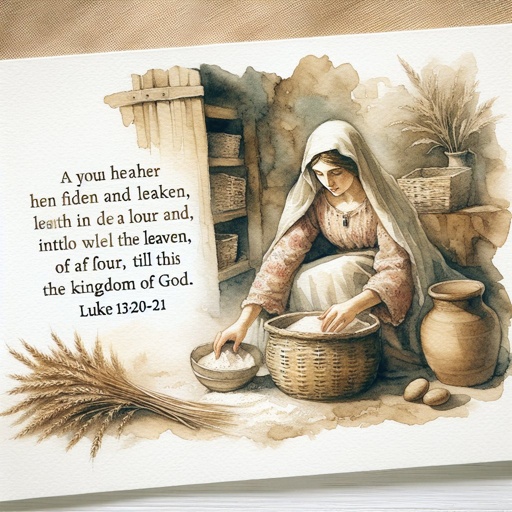
Luke 13:20-21

Luke 13:20-21

Luke 13:20-21

Luke 1:13

Luke 1:13

Luke 8:13

Luke 13:24

Luke 8:13

Luke 1:13

Luke 1:13

Luke 8:13

Luke 1:13

Luke 2:13

Luke 1:13

Luke 14:14 - "And thou shalt be blessed; for they cannot recompense thee: for thou shalt be recompensed at the resurrection of the just."