What does Luke 13:17 mean?
“And when he had said these things, all his adversaries were ashamed: and all the people rejoiced for all the glorious things that were done by him.” — Luke 13:17
The Bible verse Luke 13:17, as it appears in the King James Version (KJV), reads, "And when he had said these things, all his adversaries were ashamed: and all the people rejoiced for all the glorious things that were done by him." This verse occurs within the larger context of Jesus's ministry, specifically in the midst of a confrontation with the synagogue ruler who had rebuked Jesus for healing a woman on the Sabbath. The verse is a powerful testament to the authority and power of Jesus, and it also speaks to the themes of opposition, shame, and rejoicing.
One of the key themes in this verse is opposition. Throughout the gospels, we see Jesus constantly facing opposition from various religious leaders and authorities. In this particular instance, Jesus's adversaries are shamed by his response to their criticism. The use of the word "adversaries" suggests a deep-seated hostility and enmity towards Jesus and his teachings. The adversaries in this verse represent the forces of darkness and evil that seek to oppose and hinder the work of God. However, the verse also underscores the failure of Jesus's adversaries to thwart his mission, as they are ultimately put to shame in the face of his power and authority.
Another important theme in this verse is shame. The shame experienced by Jesus's adversaries is a powerful reminder of the ultimate futility of opposition to God's will. In this context, the shame is not just a personal feeling of embarrassment, but a public humiliation that serves as a rebuke to those who seek to hinder the work of God. The shame that Jesus's adversaries experience is a direct result of their rejection of his authority and their refusal to acknowledge the miraculous works that he performs. This theme of shame serves as a warning to those who would stand in opposition to the work of God, reminding them that their efforts will ultimately be in vain.
In contrast to the shame experienced by Jesus's adversaries, the verse also speaks to the theme of rejoicing. The people who witness the glorious works performed by Jesus are filled with joy and celebration. Their rejoicing serves as a powerful affirmation of Jesus's authority and the impact of his ministry. It also highlights the transformative power of the miraculous works performed by Jesus, which bring hope, healing, and restoration to those who are in need. The rejoicing of the people stands in stark contrast to the shame experienced by Jesus's adversaries, serving as a powerful testament to the truth of Jesus's teachings and the impact of his ministry.
Symbolically, the verse also carries deeper meaning. The adversaries who are put to shame represent the forces of darkness and opposition that seek to hinder the work of God in the world. Their humiliation serves as a reminder of the ultimate victory of God over all forms of evil and resistance. The rejoicing of the people symbolizes the joy and hope that come from experiencing the transformative power of God's work in the world. Their celebration reflects the profound impact of Jesus's ministry, which brings about healing, restoration, and salvation.
In conclusion, Luke 13:17, as it appears in the King James Version, is a powerful and evocative verse that speaks to the themes of opposition, shame, and rejoicing. It serves as a testament to the authority and power of Jesus, as well as a powerful reminder of the futility of opposing God's will. The verse also carries deep symbolic significance, serving as a powerful affirmation of the victory of God over all forms of evil and the transformative impact of Jesus's ministry. It is a verse that continues to inspire and uplift believers, reminding them of the ultimate triumph of God's grace and the joy that comes from experiencing his miraculous works.
Get our apps


Artwork for Luke 13:17
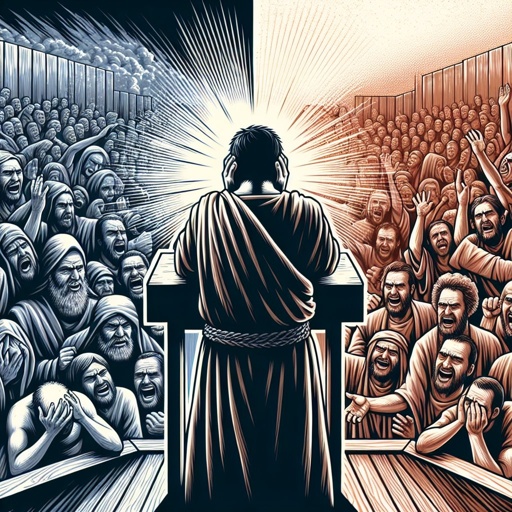
Luke 13:17 - "And when he had said these things, all his adversaries were ashamed: and all the people rejoiced for all the glorious things that were done by him."

"And when he had said these things, all his adversaries were ashamed: and all the people rejoiced for all the glorious things that were done by him." - Luke 13:17

Luke 17:13 - "And they lifted up their voices, and said, Jesus, Master, have mercy on us."

"And they lifted up their voices, and said, Jesus, Master, have mercy on us." - Luke 17:13

Luke 10:17-19

Luke 10:17-19

Luke 17:17 - "And Jesus answering said, Were there not ten cleansed? but where are the nine?"

Luke 8:17

Luke 17:10

luke 24:17

Luke 13:18-19

Luke 13:20-21

Luke 13:18-19

Luke 13:20-21

Luke 13:20-21

Luke 13:20-21

Luke 13:20-21

Luke 17:32-37

Luke 17:32 - "Remember Lot's wife."

Luke 8:13

Luke 1:13

Luke 1:13

Luke 8:13

Luke 13:24

Luke 1:13

Luke 8:13

Luke 1:13

Luke 5:17-26

Luke 1:13

Luke 2:13