What does Luke 13:20 mean?
“And again he said, Whereunto shall I liken the kingdom of God?” — Luke 13:20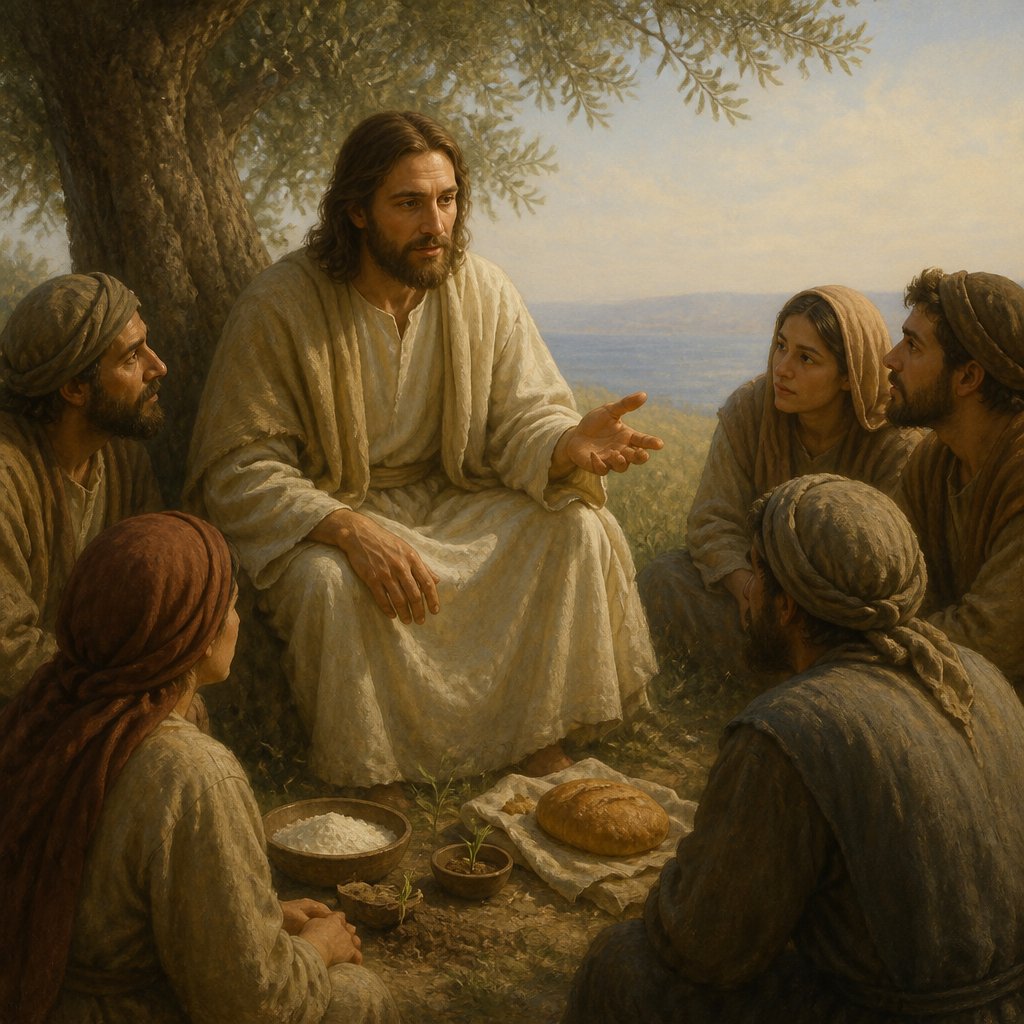
Luke 13:20 (KJV) says, "And again he said, Whereunto shall I liken the kingdom of God?"
This verse is part of a larger passage in the book of Luke where Jesus is teaching in parables. In this particular parable, Jesus is asking what the kingdom of God is like, and he goes on to answer his own question with several different parables to illustrate different aspects of the kingdom.
One of the themes in this passage is the nature of the kingdom of God. Jesus often used parables to illustrate spiritual truths, and this passage is no exception. By asking what the kingdom of God is like, Jesus is prompting his listeners to think about the nature of God's rule and reign in their lives. This is a core theme throughout the New Testament, as Jesus repeatedly teaches about the kingdom of God and encourages his followers to seek it above all else.
Another theme in this passage is the use of metaphor and symbolism. Jesus often used everyday objects and situations to illustrate deeper spiritual truths, and this passage is no different. By comparing the kingdom of God to various things such as yeast, a mustard seed, and a hidden treasure, Jesus is inviting his listeners to think about the kingdom in a new and creative way. The use of metaphor and symbolism in this passage also highlights the creative and imaginative nature of Jesus' teaching, as he draws on familiar images to convey profound spiritual truths.
The context of this passage is also important to understanding its meaning. At this point in his ministry, Jesus was teaching in the region of Judea and Perea, and he was often surrounded by large crowds of people. The parables in this passage were likely directed at a diverse audience, including both his disciples and other listeners who were curious about his teachings. By using parables, Jesus was able to engage people of all backgrounds and levels of understanding, inviting them to think deeply about the nature of God's kingdom and their place in it.
In terms of the specific verse you mentioned, "Whereunto shall I liken the kingdom of God?" this question is significant because it sets the stage for the parables that follow. By posing this question, Jesus is prompting his listeners to consider what the kingdom of God is like and to open their minds to new and creative ways of thinking about it. This question also reflects Jesus' desire to engage his listeners in a deep and meaningful way, inviting them to participate in a dialogue about the nature of God's kingdom.
Overall, this passage from Luke 13:20 is rich with meaning and significance. It speaks to the core themes of the kingdom of God, the use of metaphor and symbolism in Jesus' teaching, and the context of his ministry in Judea and Perea. By asking what the kingdom of God is like, Jesus is challenging his listeners to think deeply about spiritual matters and to approach their faith with creativity and imagination. This passage continues to inspire and challenge readers today, prompting us to consider what the kingdom of God is like in our own lives and how we can participate in its unfolding.
Get our apps


Artwork for Luke 13:20

Luke 13:20-21

Luke 13:20-21

Luke 13:20-21

Luke 13:20-21
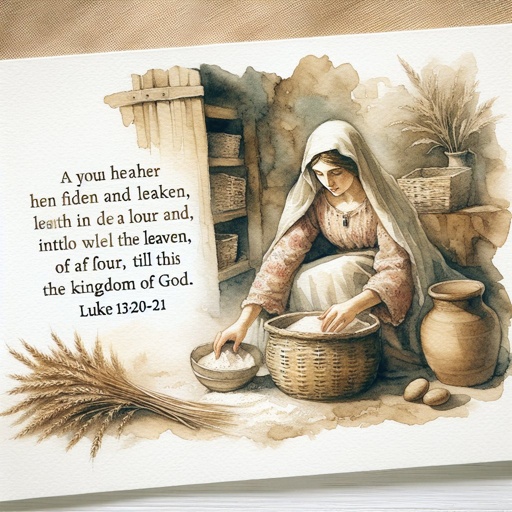
Luke 13:20-21

Luke 13:20 - "And again he said, Whereunto shall I liken the kingdom of God?"
"And again he said, Whereunto shall I liken the kingdom of God?" - Luke 13:20
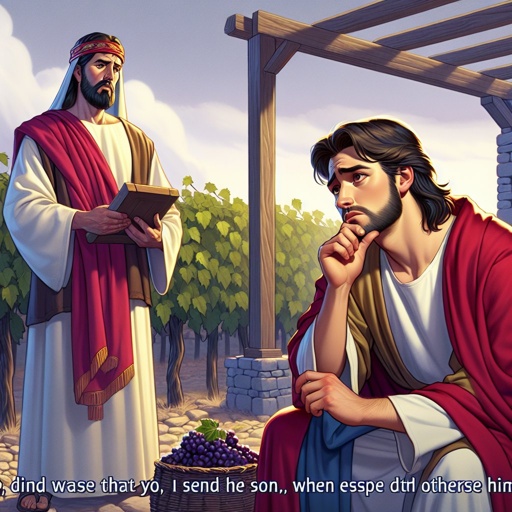
Luke 20:13 - "Then said the lord of the vineyard, What shall I do? I will send my beloved son: it may be they will reverence him when they see him."

Luke 20:28

Luke 13:18-19

Luke 13:18-19

Luke 2:1-20

Luke 20:7 - "And they answered, that they could not tell whence it was."

Luke 1:13

Luke 1:13

Luke 8:13

Luke 13:24

Luke 8:13

Luke 1:13

Luke 1:13

Luke 8:13

Luke 1:13

Luke 2:13

Luke 1:13

Luke 20:32 - "Last of all the woman died also."

Luke 20:4 - "The baptism of John, was it from heaven, or of men?"

hebrew 13:20

Genesis 20-13

Luke 13:13 - "And he laid his hands on her: and immediately she was made straight, and glorified God."

Luke 20:22 - "Is it lawful for us to give tribute unto Caesar, or no?"