What does Luke 13:23 mean?
“Then said one unto him, Lord, are there few that be saved? And he said unto them,” — Luke 13:23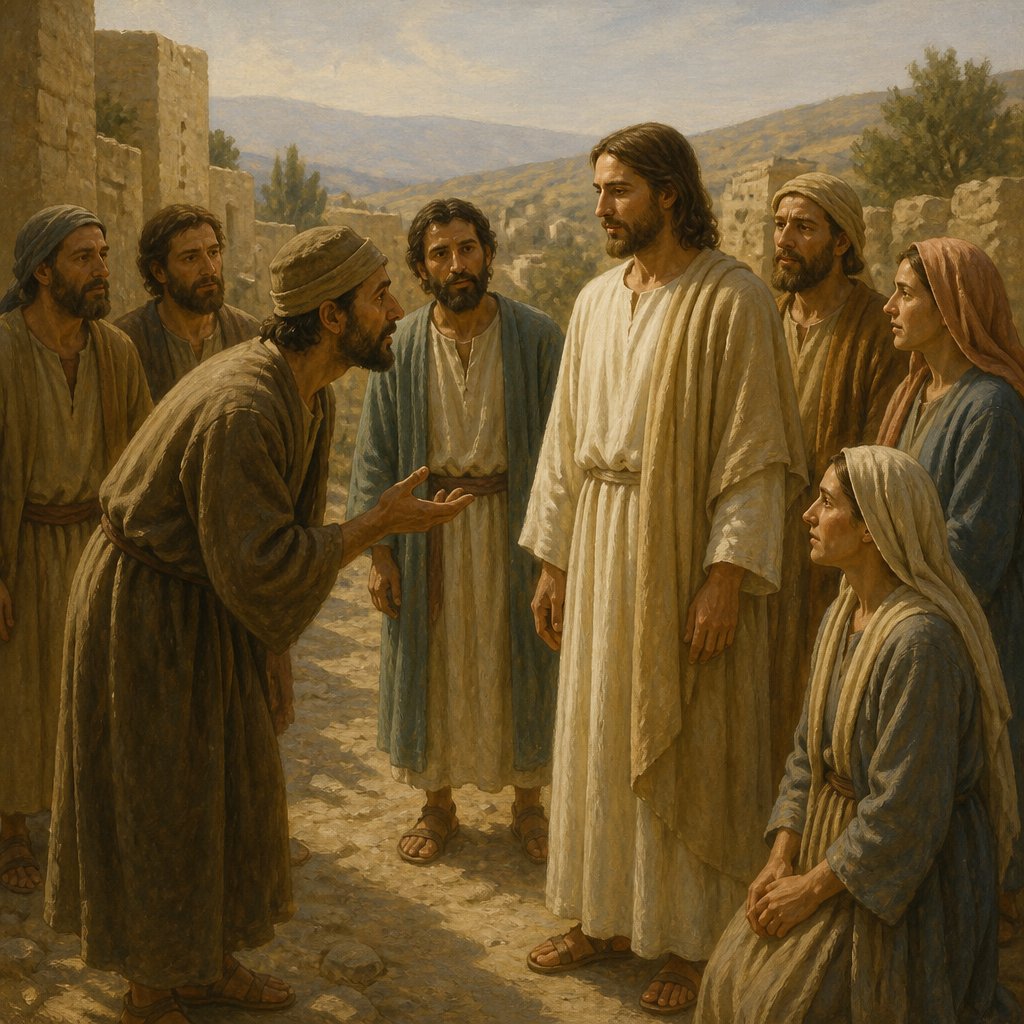
Luke 13:23 (KJV) states, "Then said one unto him, Lord, are there few that be saved? And he said unto them,"
This verse is part of a larger passage in the Gospel of Luke in which Jesus is teaching about the kingdom of God and the importance of striving to enter through the narrow door. The context in which this verse appears is important to understanding its full meaning and implications.
In this particular passage, Jesus is journeying towards Jerusalem and teaching in the cities and villages along the way. He is asked by someone whether only a few will be saved, and this question reveals the concern of many people about their ultimate destiny and the fate of others. Jesus responds to this question by emphasizing the need for personal commitment and effort in seeking salvation.
The theme of salvation and the kingdom of God is central to this verse and the larger passage. Jesus' response to the question implies that salvation is not something that is easily obtained, and it requires sincere and diligent effort on the part of the individual. The idea of a narrow door suggests that the way to salvation is not broad or easy, but rather it requires focused attention and dedication.
The broader context of this passage also includes Jesus' teachings on the inclusiveness of the kingdom of God. He emphasizes that people from all backgrounds and walks of life will be part of the kingdom, whereas others who assume their place in the kingdom may be left out. This message challenges traditional views about who is deemed worthy of salvation and emphasizes the need for personal transformation and inner righteousness.
The symbolism in this verse is significant in understanding its deeper meaning. The concept of a narrow door can be interpreted as a metaphor for the difficulty of entering the kingdom of God. It suggests that salvation is not something that can be casually obtained, but rather it requires a deliberate and disciplined approach. The image of a narrow door also implies that there is a sense of urgency in seeking salvation, as one must strive to enter before it is too late.
Furthermore, the question posed to Jesus reflects the universal concern about the afterlife and the destiny of one's soul. This verse addresses the complex and deeply personal nature of salvation, as it is not something that can be determined by numbers or statistics, but rather it requires an individual's earnest pursuit.
The significance of this verse extends beyond its immediate context, as it speaks to the broader theme of the human condition and the search for meaning and purpose. The question of whether only a few will be saved reflects a common existential concern about the nature of salvation and the afterlife. Jesus' response emphasizes the need for personal responsibility and effort in seeking salvation, rather than relying on external factors.
In conclusion, Luke 13:23 (KJV) is a powerful and thought-provoking verse that addresses the universal concern about salvation and the afterlife. Its message about the narrow door and the need for personal commitment emphasizes the importance of individual effort in seeking salvation. The symbolism and context of this verse contribute to its profound significance, as it challenges traditional views about salvation and underscores the urgency of seeking the kingdom of God.
Get our apps


Artwork for Luke 13:23

Luke 13:23 - "Then said one unto him, Lord, are there few that be saved? And he said unto them,"
"Then said one unto him, Lord, are there few that be saved? And he said unto them," - Luke 13:23
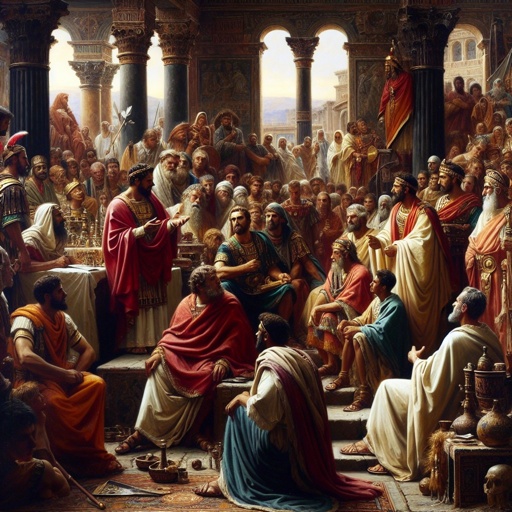
Luke 23:13 - "¶ And Pilate, when he had called together the chief priests and the rulers and the people,"
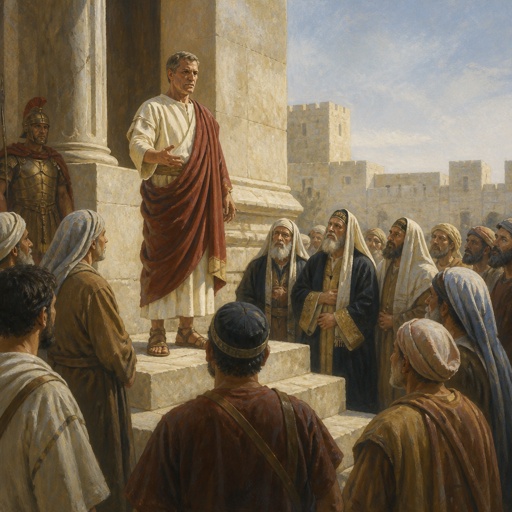
"¶ And Pilate, when he had called together the chief priests and the rulers and the people," - Luke 23:13

Luke 23:53

Luke 19:23

luke 11:23

Luke 19:23

luke 11:23
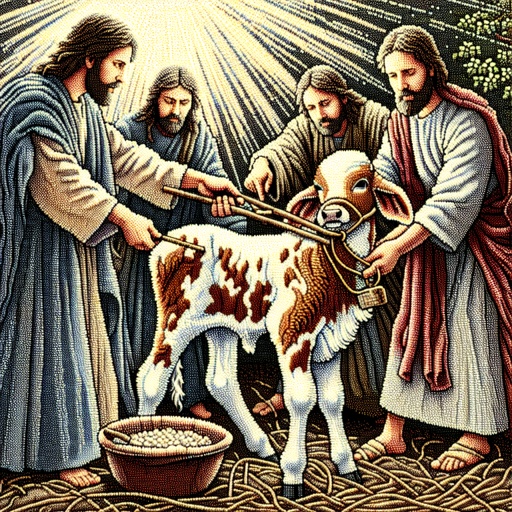
Luke 15:23

luke 11:23

luke 11:23

Luke 23:54 - "And that day was the preparation, and the sabbath drew on."

Luke 23:23 - "And they were instant with loud voices, requiring that he might be crucified. And the voices of them and of the chief priests prevailed."

Luke 13:18-19

Luke 13:20-21

Luke 13:18-19

Luke 13:20-21
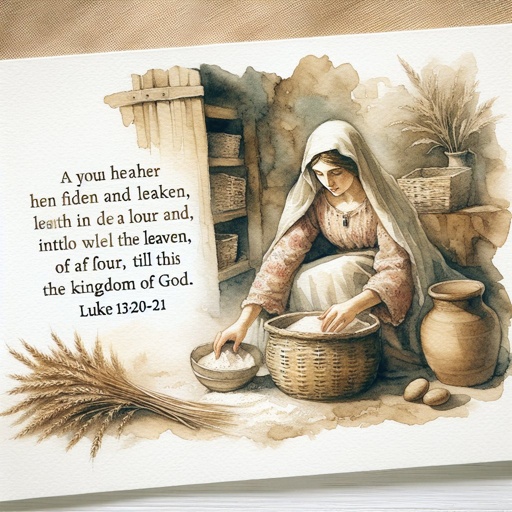
Luke 13:20-21

Luke 13:20-21

Luke 13:20-21

Luke 23:24 - "And Pilate gave sentence that it should be as they required."

Genesis 23-13

Jeremiah 13:23

Luke 8:13

Luke 1:13

Luke 1:13

Luke 8:13

Luke 13:24

Luke 1:13