What does Luke 13:29 mean?
“And they shall come from the east, and from the west, and from the north, and from the south, and shall sit down in the kingdom of God.” — Luke 13:29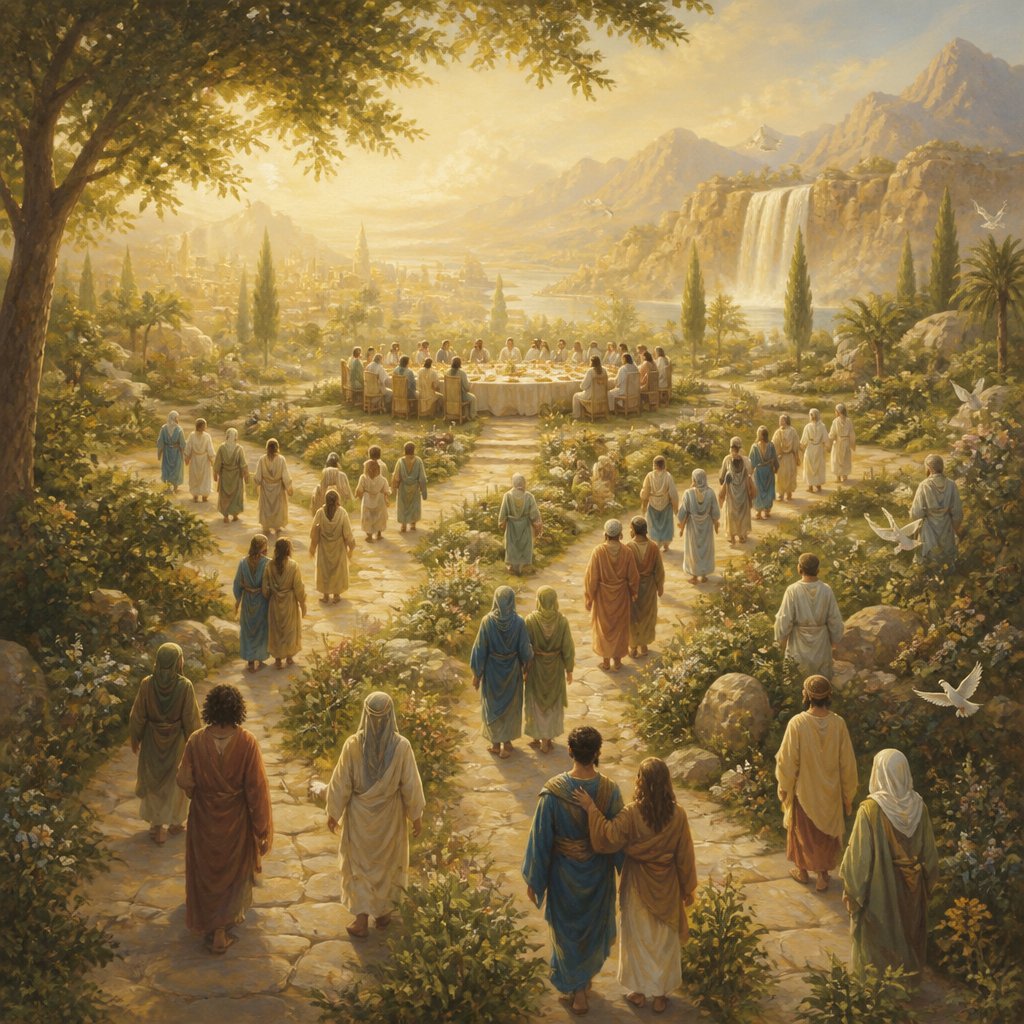
"Luke 13:29 (KJV) - And they shall come from the east, and from the west, and from the north, and from the south, and shall sit down in the kingdom of God."
This verse, found in the Gospel of Luke, is part of a larger passage in which Jesus is teaching about the nature of the kingdom of God and who will be able to enter it. In this particular verse, Jesus is emphasizing the universal nature of the kingdom of God and the inclusivity of those who will be welcomed into it.
The verse begins with the phrase "And they shall come from the east, and from the west, and from the north, and from the south," which is a clear indication that people from all over the world will be part of the kingdom of God. This is a powerful reminder that the love and grace of God extends to all people, regardless of their background or circumstances.
The imagery of people coming from the east, west, north, and south also symbolizes the idea that the kingdom of God is open to all people, not just one specific group or nationality. This is an important message in the context of the time in which Jesus was speaking, as there was a significant divide between Jews and Gentiles. By using this imagery, Jesus is challenging the notion that the kingdom of God is exclusive and limited to a particular group.
The verse concludes with the statement "and shall sit down in the kingdom of God," which signifies the ultimate destination and reward for those who are welcomed into God's kingdom. The act of "sitting down" can be seen as a symbol of rest, peace, and security, indicating that those who enter the kingdom of God will find ultimate fulfillment and contentment. Furthermore, the idea of sitting together also conveys a sense of unity and harmony among all who are part of the kingdom.
In a broader theological context, this verse speaks to the universal nature of God's love and salvation. It reinforces the idea that God's grace is extended to all people, regardless of their circumstances or background. This is a profound message of hope and inclusivity, offering reassurance to all who may feel marginalized or excluded.
The verse also carries a sense of urgency, as Jesus is calling on people to respond to the invitation to enter the kingdom of God. This sense of urgency is a recurring theme in the teachings of Jesus, emphasizing the importance of making choices that align with God's will and purpose.
Overall, Luke 13:29 (KJV) offers a powerful and inclusive vision of the kingdom of God, emphasizing the universal nature of God's love and the invitation for all people to be part of His kingdom. The imagery used in this verse is rich with symbolism, conveying the themes of inclusivity, unity, and the offer of ultimate rest and fulfillment in God's presence. As such, this verse continues to inspire and offer hope to believers across the centuries, reminding us of the unending love and grace of God.
Get our apps


Artwork for Luke 13:29

Luke 13:29 - "And they shall come from the east, and from the west, and from the north, and from the south, and shall sit down in the kingdom of God."
"And they shall come from the east, and from the west, and from the north, and from the south, and shall sit down in the kingdom of God." - Luke 13:29

luke 1:29

Luke 4:29

luke 9:29- 30

Jeremiah 29:11-13

Jeremiah 29:11-13

Jeremiah 29:11-13

Jeremiah 29:11-13

Luke 21:29 - "And he spake to them a parable; Behold the fig tree, and all the trees;"

Luke 13:18-19

Luke 13:20-21

Luke 13:20-21

Luke 13:18-19
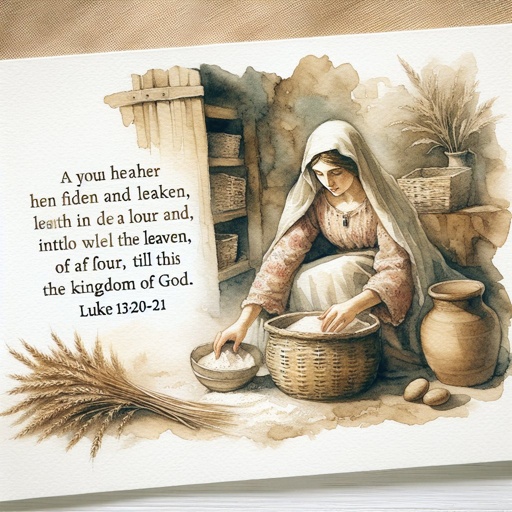
Luke 13:20-21

Luke 13:20-21

Luke 13:20-21

Luke 9:29 - "And as he prayed, the fashion of his countenance was altered, and his raiment was white and glistering."

Luke 10:29 - "But he, willing to justify himself, said unto Jesus, And who is my neighbour?"

Luke 20:29 - "There were therefore seven brethren: and the first took a wife, and died without children."

Exodus 13:17-14:29

Luke 1:13

Luke 1:13

Luke 8:13

Luke 13:24

Luke 8:13

Luke 1:13

Luke 1:13

Luke 8:13

Luke 7:29 - "And all the people that heard him, and the publicans, justified God, being baptized with the baptism of John."