What does Luke 13:30 mean?
“And, behold, there are last which shall be first, and there are first which shall be last.” — Luke 13:30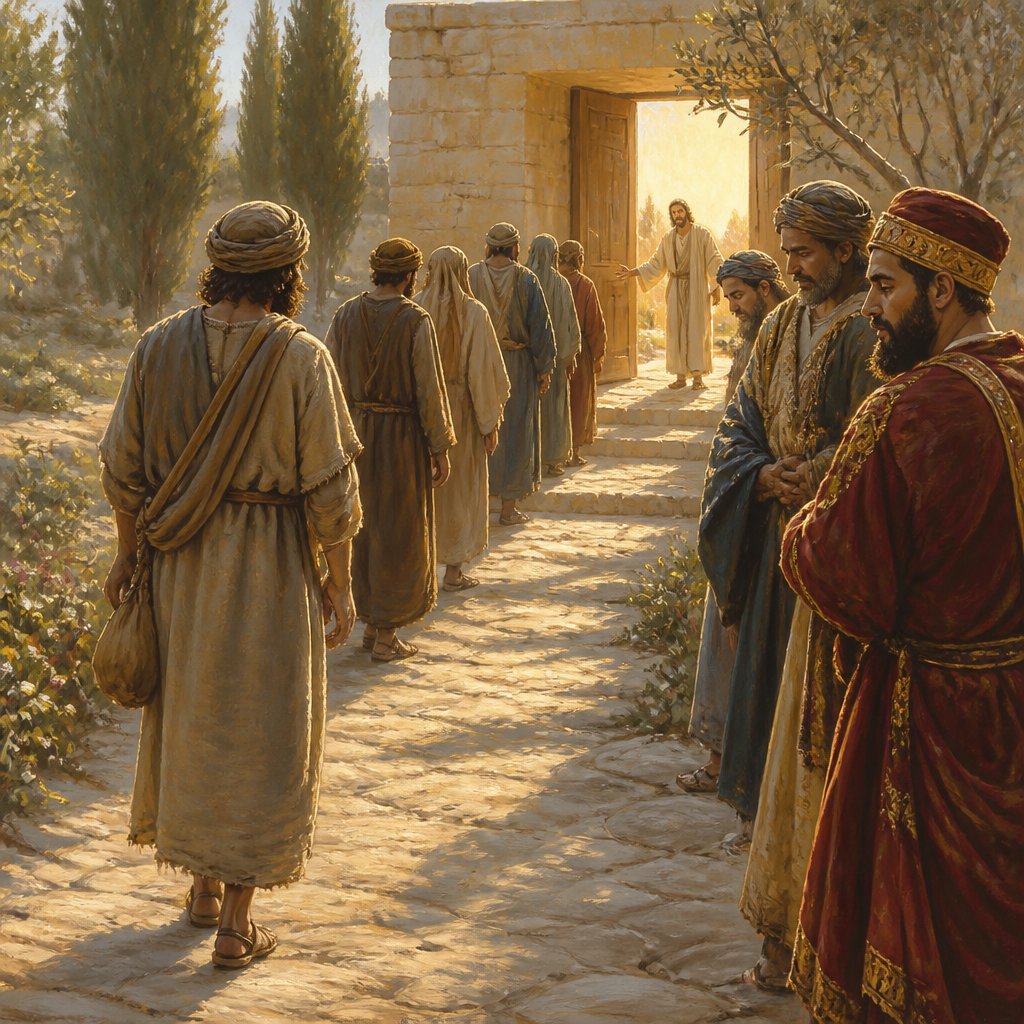
The Bible verse Luke 13:30 in the King James Version (KJV) reads: "And, behold, there are last which shall be first, and there are first which shall be last."
This particular verse is found in the context of Jesus addressing the crowds and teaching them about the kingdom of God. In this verse, Jesus is conveying the idea that the standards of the kingdom of God are different from the standards of the world. In the kingdom of God, those who are considered last in the eyes of the world will be first, and those who are considered first will be last.
The themes present in this verse are humility, the reversal of worldly standards, and the inclusivity of God's kingdom. Throughout the gospels, Jesus emphasizes the importance of humility and servanthood. In this particular verse, he is challenging the idea of human pride and the world's hierarchical structures. The Kingdom of God operates on a different set of values, where the poor, the meek, and the humble are exalted, and those who exalt themselves will be humbled.
This verse also speaks to the inclusivity of God's kingdom. Jesus often spoke about how the kingdom of God is open to all, regardless of their status in society. The idea that the first will be last and the last will be first challenges the social norms of the time and reinforces the idea that God's kingdom is for everyone, not just the powerful or the privileged.
In terms of symbolism, the reversal of positions serves as a powerful image of how God sees and values individuals. It challenges the status quo and invites people to reconsider how they view themselves and others. It also serves as a reminder of the inherent worth of every person in the eyes of God, regardless of social standing or worldly success.
The context of this verse is important for understanding its full meaning. In the preceding verses, Jesus talks about the narrow door to the kingdom of God, and how many will try to enter but will not be able to. He also speaks of the weeping and gnashing of teeth that will occur when some realize they are not able to enter. This sets the stage for the verse in question, where Jesus is emphasizing the need for humility and prioritizing the things of God over worldly success.
Overall, Luke 13:30 is a powerful reminder of the upside-down nature of the kingdom of God, where the values of the world are reversed, and all are welcome. It challenges us to examine our own attitudes and actions, and to prioritize humility and servanthood. The verse invites us to reconsider our understanding of success and to align ourselves with the values of God's kingdom. It also serves as a message of hope and inclusivity, reassuring us that God's love and grace are available to all.
Get our apps


Artwork for Luke 13:30

Luke 13:30 - "And, behold, there are last which shall be first, and there are first which shall be last."
"And, behold, there are last which shall be first, and there are first which shall be last." - Luke 13:30

Luke 1:30

luke 9:30

luke 6:30

luke 9:29- 30

african american luke 10:30

Luke 14:30 - "Saying, This man began to build, and was not able to finish."

Luke 2:30 - "For mine eyes have seen thy salvation,"
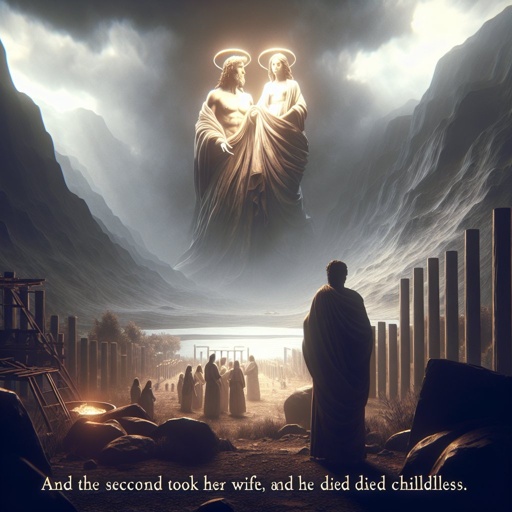
Luke 20:30 - "And the second took her to wife, and he died childless."

Luke 1:30 Gabriel visits Mary

Luke 17:30 - "Even thus shall it be in the day when the Son of man is revealed."

Luke 4:30 - "But he passing through the midst of them went his way,"

Luke 23:30 - "Then shall they begin to say to the mountains, Fall on us; and to the hills, Cover us."

Luke 9:30 - "And, behold, there talked with him two men, which were Moses and Elias:"

Acts 13:30 - "But God raised him from the dead:"

Luke 13:18-19

Luke 13:20-21

Luke 13:18-19

Luke 13:20-21
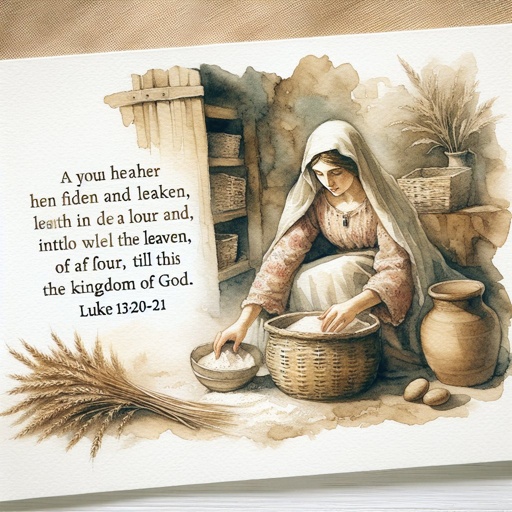
Luke 13:20-21

Luke 7:30 - "But the Pharisees and lawyers rejected the counsel of God against themselves, being not baptized of him."

Luke 11:30 - "For as Jonas was a sign unto the Ninevites, so shall also the Son of man be to this generation."

Luke 13:20-21

Luke 13:20-21

Luke 1:30 - "And the angel said unto her, Fear not, Mary: for thou hast found favour with God."

Luke 18:30 - "Who shall not receive manifold more in this present time, and in the world to come life everlasting."

Luke 8:13

Luke 1:13

Luke 1:13