What does Luke 13:33 mean?
“Nevertheless I must walk to day, and to morrow, and the day following: for it cannot be that a prophet perish out of Jerusalem.” — Luke 13:33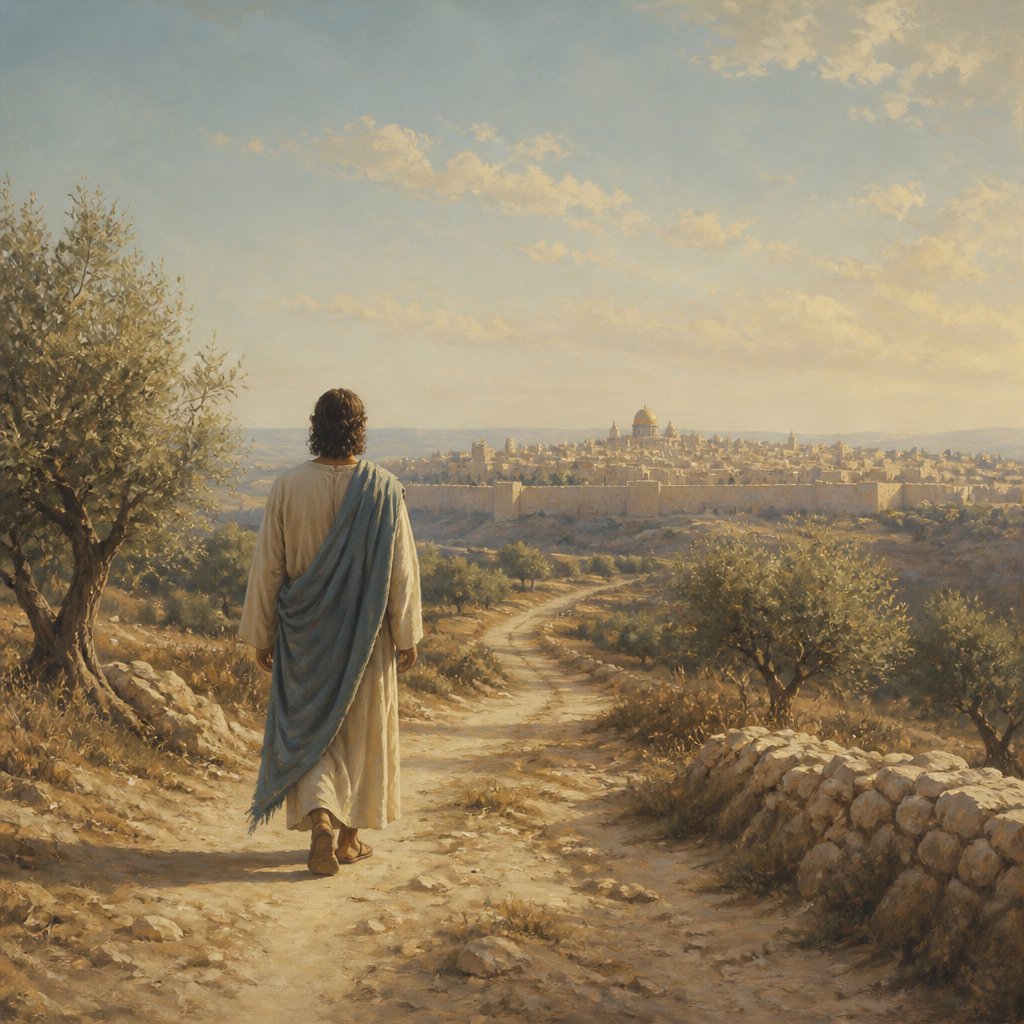
Luke 13:33 (KJV) says, "Nevertheless I must walk to day, and to morrow, and the day following: for it cannot be that a prophet perish out of Jerusalem."
This verse is part of a passage in which Jesus is speaking to the Pharisees, warning them of the impending destruction of Jerusalem and His own fate as a prophet. It is a profound and enigmatic statement that points to the necessity of Jesus' journey to Jerusalem and His ultimate sacrifice, as well as the rejection and persecution that prophets often face.
The context of this verse is important for understanding its significance. In the preceding verses, Jesus is warned by the Pharisees that Herod wants to kill him. Jesus responds by acknowledging that he must continue his journey towards Jerusalem, where he knows he will face persecution and ultimately be crucified. He refers to himself as a prophet, acknowledging that prophets throughout history have faced persecution and death. His statement reflects his acceptance of his mission and his willingness to face the suffering that lies ahead.
The themes present in this verse are profound and multi-layered. One theme is the inevitability of Jesus' death and the fulfillment of his mission as the Messiah. Despite the danger he faces, Jesus is resolute in his determination to continue his journey. This theme speaks to the idea of divine destiny and purpose, as well as the courage and determination required to fulfill that purpose.
Another theme is the rejection and persecution of prophets. Jesus acknowledges that it is not possible for a prophet to perish outside of Jerusalem, emphasizing the significance and danger of speaking the truth and challenging the status quo. Throughout history, prophets have faced opposition and persecution for proclaiming a message that goes against the prevailing ideologies and power structures. Jesus' statement serves as a reminder of the sacrifices made by those who stand up for righteousness and justice.
Symbolism also plays a significant role in this verse. Jerusalem is a symbol of spiritual significance in the Bible, representing the dwelling place of God and the center of religious life. By emphasizing that it is not possible for a prophet to perish outside of Jerusalem, Jesus is drawing attention to the spiritual significance of his impending death in the holy city. His sacrifice is not only a historical event but a symbolic act with profound spiritual implications.
Additionally, the act of walking "to day, and to morrow, and the day following" carries symbolic weight. It represents the journey of Jesus towards his fate, a journey that is marked by suffering, rejection, and ultimately, triumph. It also symbolizes the commitment and determination required to fulfill one's purpose, even in the face of adversity.
In conclusion, Luke 13:33 (KJV) is a powerful and profound verse that encapsulates the themes of divine destiny, persecution, and sacrifice. It highlights the significance of Jesus' journey to Jerusalem and his willingness to face the suffering and persecution that await him. It also serves as a reminder of the sacrifices made by prophets throughout history and the spiritual significance of Jesus' death. This verse continues to inspire and challenge believers to courageously fulfill their purpose and stand up for truth and righteousness, even in the face of adversity.
Get our apps


Artwork for Luke 13:33

Luke 13:33 - "Nevertheless I must walk to day, and to morrow, and the day following: for it cannot be that a prophet perish out of Jerusalem."
"Nevertheless I must walk to day, and to morrow, and the day following: for it cannot be that a prophet perish out of Jerusalem." - Luke 13:33

Luke 7:33

Luke 14:25 - 33

Numbers 33:13 - "And they departed from Dophkah, and encamped in Alush."

Luke 21:33 - "Heaven and earth shall pass away: but my words shall not pass away."

Luke 20:33 - "Therefore in the resurrection whose wife of them is she? for seven had her to wife."

Mark 13:33 watch and pray

Mark 13:33 watch and pray

Luke 2:33 - "And Joseph and his mother marvelled at those things which were spoken of him."

Luke 4:33 - "¶ And in the synagogue there was a man, which had a spirit of an unclean devil, and cried out with a loud voice,"

Luke 1:33 - "And he shall reign over the house of Jacob for ever; and of his kingdom there shall be no end."

Luke 19:33 - "And as they were loosing the colt, the owners thereof said unto them, Why loose ye the colt?"

Luke 18:33 - "And they shall scourge him, and put him to death: and the third day he shall rise again."

Luke 14:33 - "So likewise, whosoever he be of you that forsaketh not all that he hath, he cannot be my disciple."

Luke 22:33 - "And he said unto him, Lord, I am ready to go with thee, both into prison, and to death."

Luke 24:33 - "And they rose up the same hour, and returned to Jerusalem, and found the eleven gathered together, and them that were with them,"

Mark 13:33 - "Take ye heed, watch and pray: for ye know not when the time is."

Luke 13:18-19

Luke 13:20-21

Luke 13:18-19

Luke 13:20-21
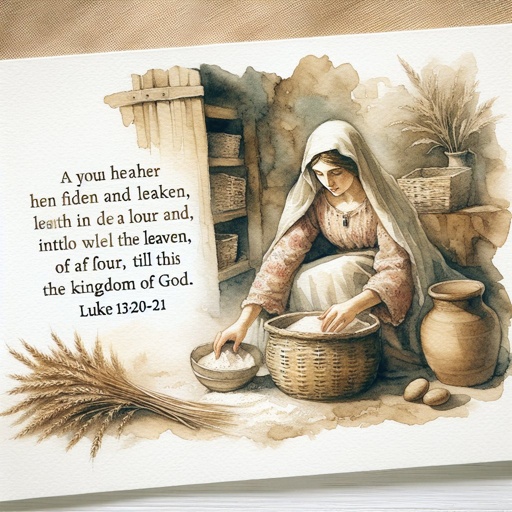
Luke 13:20-21

Psalms 33:13 - "The LORD looketh from heaven; he beholdeth all the sons of men."

Luke 13:20-21

Luke 13:20-21

Luke 7:33 - "For John the Baptist came neither eating bread nor drinking wine; and ye say, He hath a devil."

Luke 8:33 - "Then went the devils out of the man, and entered into the swine: and the herd ran violently down a steep place into the lake, and were choked."

Luke 23:33 - "And when they were come to the place, which is called Calvary, there they crucified him, and the malefactors, one on the right hand, and the other on the left."

Luke 17:33 - "Whosoever shall seek to save his life shall lose it; and whosoever shall lose his life shall preserve it."