What does Luke 13:9 mean?
“And if it bear fruit, well: and if not, then after that thou shalt cut it down.” — Luke 13:9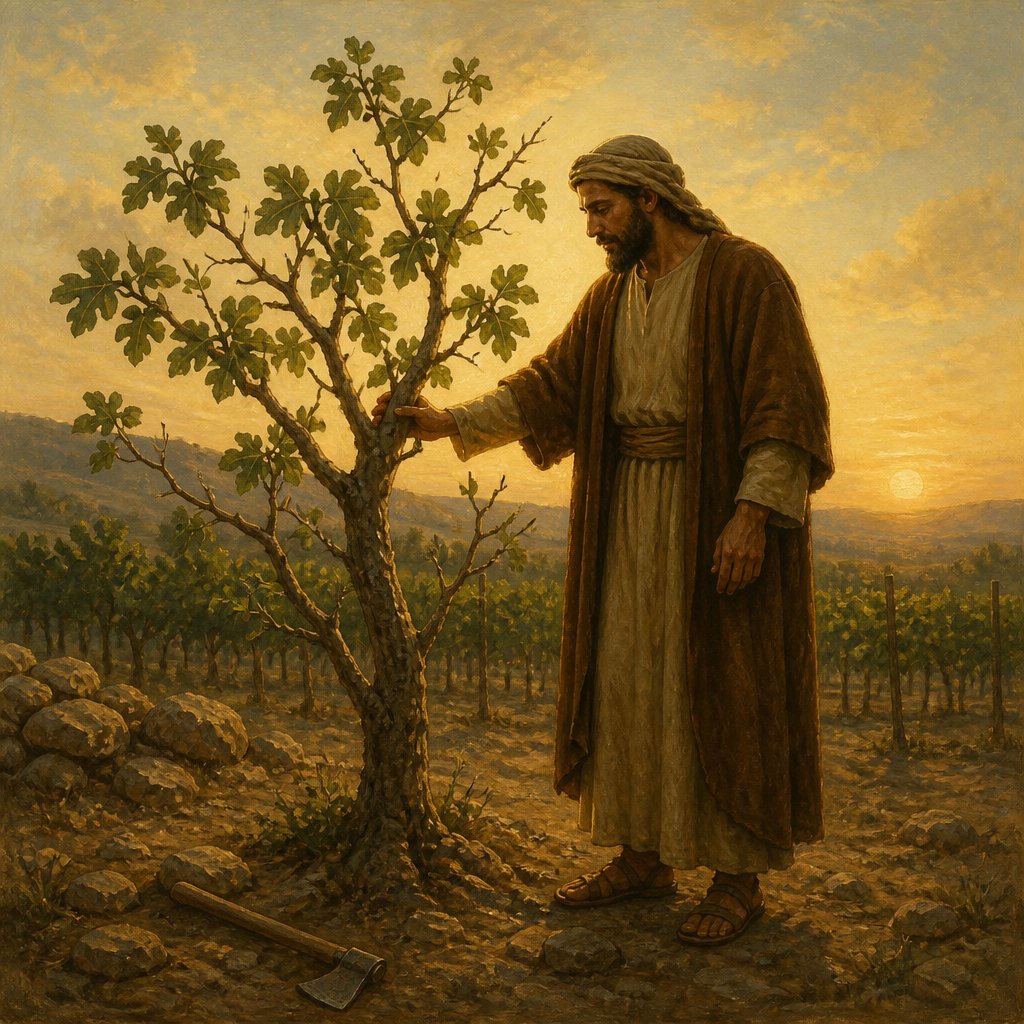
The verse Luke 13:9 in the King James Version of the Bible reads, "And if it bear fruit, well: and if not, then after that thou shalt cut it down." This verse is part of a parable told by Jesus to illustrate the importance of repentance and bearing spiritual fruit.
In the context of the passage, Jesus is speaking to a crowd and addressing the need for repentance and the consequences of unfruitfulness. He tells the parable of a man who has a fig tree in his vineyard that has not borne any fruit for three years. The owner of the vineyard wants to cut down the tree, but the vinedresser pleads with him to give the tree another chance. He offers to cultivate the tree and fertilize it, giving it one more year to bear fruit. If it still does not produce, then it can be cut down.
The fig tree in this parable represents individuals who need to repent and bear spiritual fruit. The three years of unfruitfulness symbolize a period of time given for spiritual growth and transformation. The owner of the vineyard represents God, who is patient and gives people time to turn away from their sins and live a life that is pleasing to Him. The vinedresser represents Jesus, who intercedes on behalf of sinners and provides the opportunity for spiritual renewal and growth.
The phrase "And if it bear fruit, well: and if not, then after that thou shalt cut it down" underscores the importance of spiritual fruit-bearing. Those who repent and bear fruit in their lives will be well and pleasing to God. However, those who fail to turn from their sinful ways and produce spiritual fruit will face judgment and consequences.
This verse reflects several important themes found throughout the Bible. One of the central themes is the concept of repentance and the need for personal transformation. The parable emphasizes the importance of turning away from sin and living a life that is aligned with God's will. It highlights God's patience and mercy, as well as His desire for individuals to come to repentance (2 Peter 3:9).
Another significant theme is the concept of spiritual fruitfulness. In the Bible, spiritual fruit is often associated with good works, acts of kindness, and the demonstration of godly character (Galatians 5:22-23). Jesus often used agricultural imagery to convey spiritual truths, and the idea of bearing fruit represents the visible evidence of a transformed life.
The context of this verse also speaks to the broader theme of judgment and accountability. Throughout the Bible, there are numerous references to the consequences of sin and the need for individuals to give an account of their actions. This parable serves as a warning that those who fail to repent and bear fruit will ultimately face judgment.
In addition to its thematic significance, this verse also holds a symbolic meaning. The fig tree can be seen as a representation of Israel, which historically struggled with faithfulness to God. The parable serves as a warning to the people of Israel about the consequences of spiritual unfaithfulness and the need for repentance.
In conclusion, Luke 13:9 in the King James Version of the Bible conveys a powerful message about the importance of repentance, spiritual fruitfulness, and accountability. This verse emphasizes the patience and mercy of God, while also highlighting the need for personal transformation and the consequences of unfruitfulness. It serves as a reminder of the call to live a life that is pleasing to God and the sobering reality of facing judgment if one fails to heed that call.
Get our apps


Artwork for Luke 13:9

Luke 13:9 - "And if it bear fruit, well: and if not, then after that thou shalt cut it down."
"And if it bear fruit, well: and if not, then after that thou shalt cut it down." - Luke 13:9

Luke 13:6-9

Luke 9:13 - "But he said unto them, Give ye them to eat. And they said, We have no more but five loaves and two fishes; except we should go and buy meat for all this people."

Luke 13:18-19

Luke 13:20-21

Luke 13:18-19

Luke 13:20-21
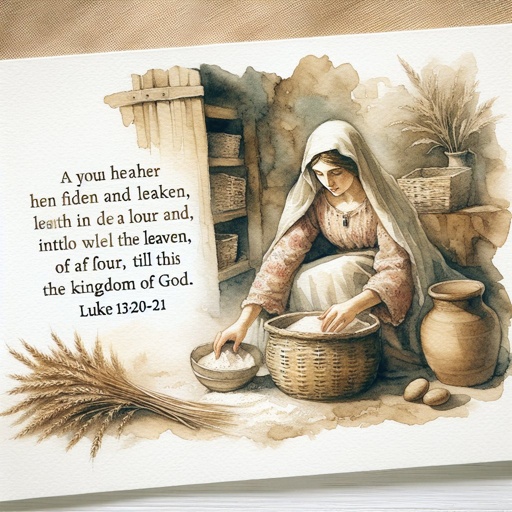
Luke 13:20-21

Luke 13:20-21

Luke 13:20-21

Luke 8:13

Luke 1:13

Luke 1:13

Luke 8:13

Luke 13:24

Luke 1:13

Luke 8:13

Luke 1:13

Luke 1:13

Luke 2:13

Luke 1:13
Luke 11:9

luke 9:30

luke 9:35

luke 9:35

Luke 9:51

Luke 11:9

Luke 13:13 - "And he laid his hands on her: and immediately she was made straight, and glorified God."

Luke 2:13-14