What does Luke 14:25 mean?
“And there went great multitudes with him: and he turned, and said unto them,” — Luke 14:25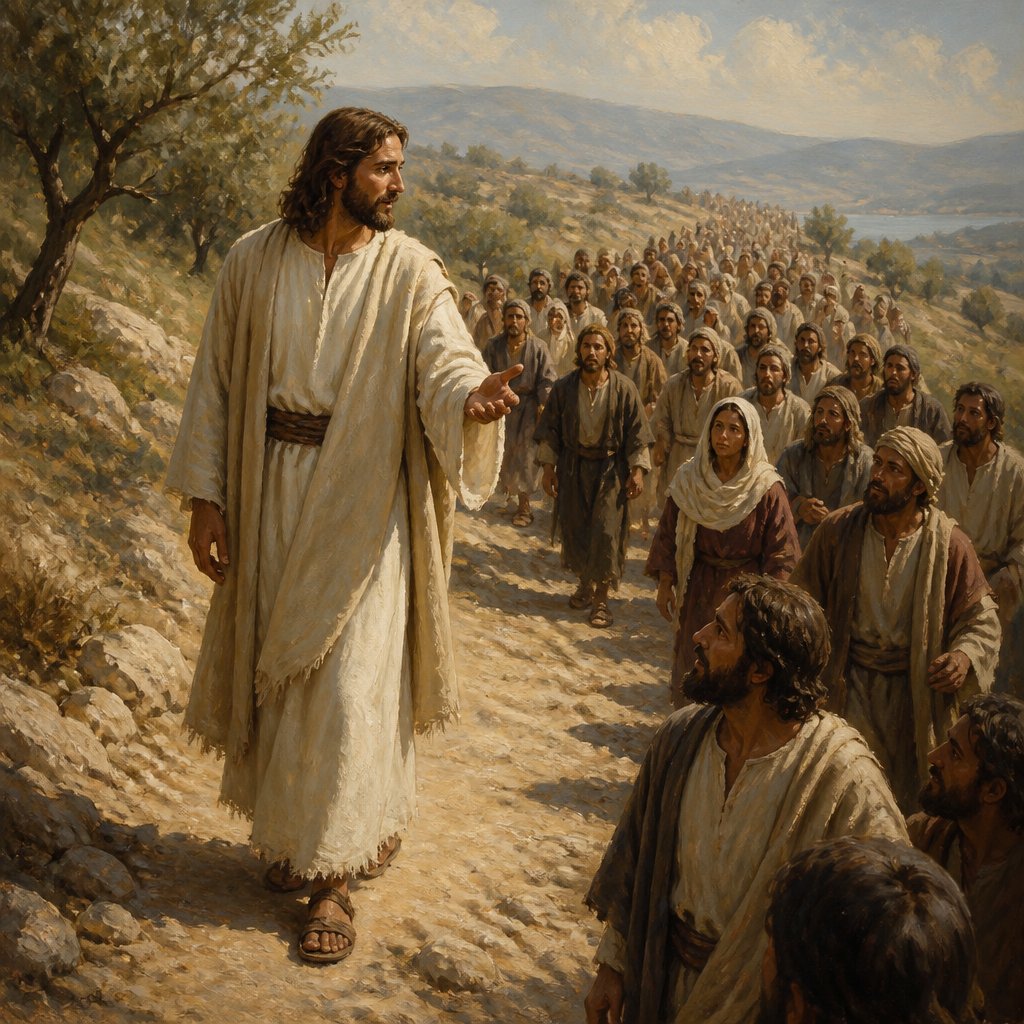
Luke 14:25 in the King James Version (KJV) of the Bible reads: "And there went great multitudes with him: and he turned, and said unto them."
This verse appears in the context of Jesus' teachings and travels as he journeyed through towns and villages, preaching the gospel of the kingdom of God. The verse suggests that there were great multitudes following Jesus as he moved from place to place, which shows the immense popularity and influence he had during his ministry.
At first glance, this verse may seem simple and straightforward, but when examined closely, it reveals a deeper and important message. By looking at the verse in its broader context with the surrounding verses and the larger themes in the book of Luke, we can better understand its significance.
One key theme in the book of Luke is the cost of discipleship. Jesus often challenged his followers to consider the sacrifices and commitments that come with being his disciple. In Luke 14:25, the verse is followed by Jesus' challenging words in verses 26-27: "If any man come to me, and hate not his father, and mother, and wife, and children, and brethren, and sisters, yea, and his own life also, he cannot be my disciple. And whosoever doth not bear his cross, and come after me, cannot be my disciple." These verses highlight the high standards and demands of discipleship set by Jesus.
When Jesus turned to address the great multitudes following him, he was not seeking to gather more followers through flattery or empty promises. Instead, he spoke directly to them about the true cost of following him. He wanted to make it clear that being his disciple required full commitment, including potential sacrifice and hardship.
This message is a radical departure from the prevailing cultural norms of the time, as well as our modern society. In the ancient world, family ties were of utmost importance, and loyalty to one's family was a primary virtue. By challenging his followers to even "hate" their family members in comparison to their love for him, Jesus was emphasizing the absolute commitment that discipleship required.
Furthermore, the mention of "bearing one's cross" in verse 27 would have resonated deeply with the original audience, for the imagery of bearing a cross was associated with suffering, shame, and a painful death. To heed Jesus' call to discipleship would mean willingly taking up this heavy burden and facing potential persecution and even death. This was a powerful and challenging message that would have forced his listeners to seriously consider the consequences of following him.
In addition to the theme of the cost of discipleship, this passage in Luke also illustrates the importance of total allegiance to Jesus. As the Son of God and the Messiah, Jesus demanded complete loyalty from his followers. The language of "hating" one's family members can be understood as hyperbolic, emphasizing the paramount place of Jesus in the lives of his disciples. In comparison to their love and devotion to Christ, all other relationships and priorities were to be secondary.
The message of Luke 14:25-27 may be difficult for some to accept, as it challenges the comfortable and self-centered attitudes that often pervade our lives. However, it is a powerful reminder of the radical and countercultural nature of true discipleship. It calls us to consider the depth of our commitment to Christ and to be willing to make sacrifices for the sake of the gospel.
In conclusion, Luke 14:25 offers a significant and challenging message that continues to be relevant for believers today. It urges us to carefully consider the high cost of discipleship and the total allegiance that Jesus demands. It serves as a reminder that following Christ requires unwavering commitment and a willingness to bear the cross, even in the face of sacrifice and hardship. This verse, when analyzed in its larger context and thematic significance, provides profound insights into the nature of true discipleship and the radical demands of following Jesus.
Get our apps


Artwork for Luke 14:25

Luke 14:25 - 33

Luke 14:25 - "¶ And there went great multitudes with him: and he turned, and said unto them,"
"¶ And there went great multitudes with him: and he turned, and said unto them," - Luke 14:25

Luke 14:25-27 - "Large crowds were traveling with Jesus, and turning to them he said: “If anyone comes to me and does not hate father and mother, wife and children, brothers and sisters—yes, even their own life—such a person cannot be my disciple. And whoever does not carry their cross and follow me cannot be my disciple."
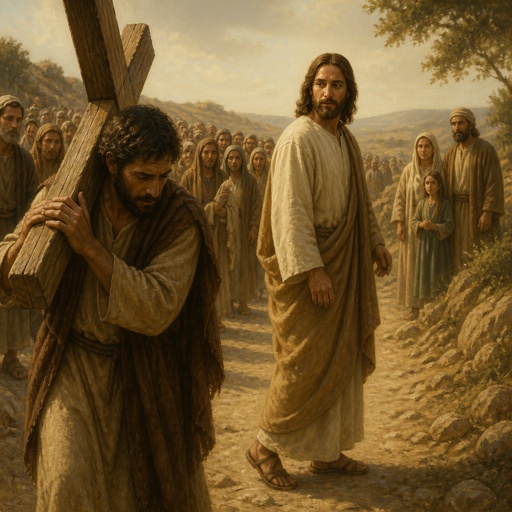
"Large crowds were traveling with Jesus, and turning to them he said: “If anyone comes to me and does not hate father and mother, wife and children, brothers and sisters—yes, even their own life—such a person cannot be my disciple. And whoever does not carry their cross and follow me cannot be my disciple." - Luke 14:25-27

Matthew 25: 14-25

Luke 1:25

Luke 1:25

Luke 1:25

Luke 12:25

Luke 1:25

Luke 12:25

Luke 1:25

Luke 12:25-26
Luke 12:25-26

Luke 12:25-26

Luke 12:25-26

Luke 12:25-26

Luke 12:25-26

Luke 12:25-26

Isaiah 14:25

Genesis 25-14

Luke 11:25 - "And when he cometh, he findeth it swept and garnished."

Genesis 25:14 - "And Mishma, and Dumah, and Massa,"

Luke 19:25 - "(And they said unto him, Lord, he hath ten pounds.)"

Luke 17:25 - "But first must he suffer many things, and be rejected of this generation."

Luke 14:14 - "And thou shalt be blessed; for they cannot recompense thee: for thou shalt be recompensed at the resurrection of the just."

Luke 11:14-15

Luke 18:9-14

Luke 11:1-14