What does Luke 14:25-27 mean?
“And there went great multitudes with him: and he turned, and said unto them, If any man come to me, and hate not his father, and mother, and wife, and children, and brethren, and sisters, yea, and his own life also, he cannot be my disciple. And whosoever doth not bear his cross, and come after me, cannot be my disciple.” — Luke 14:25-27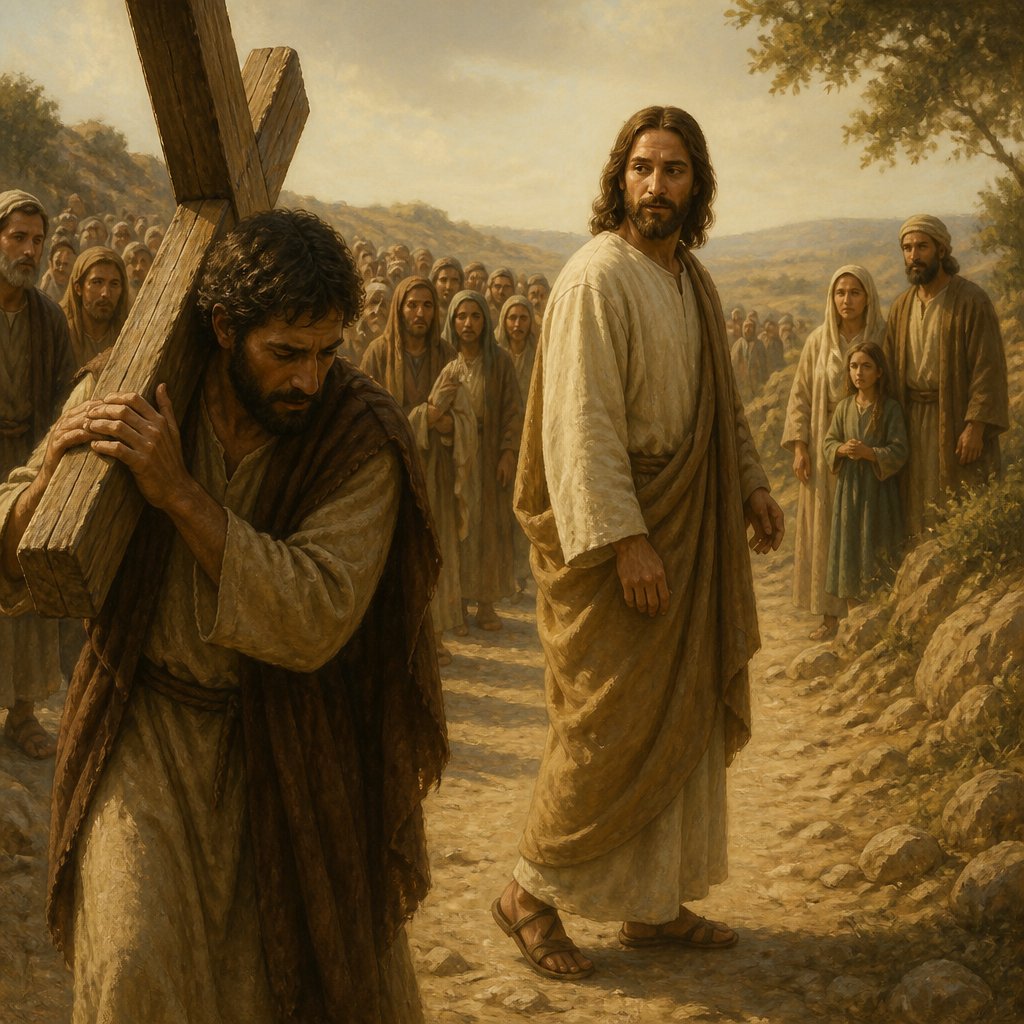
Luke 14:25-27 from the King James Version (KJV) reads:
25 And there went great multitudes with him: and he turned, and said unto them,
26 If any man come to me, and hate not his father, and mother, and wife, and children, and brethren, and sisters, yea, and his own life also, he cannot be my disciple.
27 And whosoever doth not bear his cross, and come after me, cannot be my disciple.
This passage from the Gospel of Luke is a challenging and thought-provoking one. Jesus is addressing a large crowd of people who are following him, and he makes a statement that seems to go against the values of love and compassion that he often teaches. However, when taken in context and understood within the larger themes of Jesus' teachings, this passage becomes a powerful lesson about the true cost of discipleship and the radical commitment that is required to follow Jesus.
The first verse in this passage (Luke 14:25) sets the stage by describing the large crowds that are following Jesus. This is an important detail, as it suggests that many people are drawn to Jesus and interested in his teachings. However, Jesus takes the opportunity to address the crowd with a challenging message about the cost of discipleship.
In the next verse (Luke 14:26), Jesus makes a startling statement: "If any man come to me, and hate not his father, and mother, and wife, and children, and brethren, and sisters, yea, and his own life also, he cannot be my disciple." At first glance, the notion of hating one's own family and even oneself seems to go against everything else that Jesus teaches about love and compassion. However, it is important to interpret this statement in a nuanced way.
The term "hate" in this passage should not be understood in the literal sense. Jesus is not advocating for hatred or animosity towards one's family members. Instead, he is using a rhetorical device to emphasize the radical commitment that is required to follow him. In comparison to the love and devotion that one should have for Jesus, all other relationships and attachments should pale in comparison. This is a challenging message, as it asks followers of Jesus to prioritize their allegiance to him above all else.
In the following verse (Luke 14:27), Jesus further emphasizes the cost of discipleship by stating, "And whosoever doth not bear his cross, and come after me, cannot be my disciple." The image of "bearing one's cross" would have been a powerful and familiar symbol to Jesus' audience. In the Roman-ruled world of the first century, the cross was a symbol of suffering, shame, and death. By using this image, Jesus is making it clear that following him will require sacrifice and may even lead to suffering and persecution. However, he also emphasizes the importance of "coming after" him, suggesting that the rewards of discipleship will ultimately outweigh the costs.
When considering this passage in the larger context of Jesus' teachings, it becomes clear that he is not advocating for hatred or the abandonment of family. Instead, he is challenging his followers to consider the radical commitment that is required to truly live out their faith. Throughout the Gospels, Jesus frequently teaches about the importance of love for one's neighbor, care for the marginalized, and forgiveness of enemies. However, in this passage, he is pushing his followers to consider the ultimate priority of their allegiance to him.
The themes of radical commitment and the cost of discipleship are central to this passage. Jesus is making it clear that following him will require sacrifice and a willingness to place him above all other earthly attachments. This is a challenging message, as it asks his followers to reevaluate their priorities and consider the true extent of their devotion to him.
In conclusion, Luke 14:25-27 presents a challenging and thought-provoking message from Jesus about the cost of discipleship. When understood within the context of his larger teachings, it becomes clear that he is not advocating for hatred or the abandonment of family, but rather emphasizing the radical commitment that is required to follow him. This passage serves as a powerful reminder to his followers that the call to discipleship is not an easy one, but it is ultimately a path that leads to abundant life and true fulfillment.
Get our apps


Artwork for Luke 14:25-27

Luke 14:25-27 - "Large crowds were traveling with Jesus, and turning to them he said: “If anyone comes to me and does not hate father and mother, wife and children, brothers and sisters—yes, even their own life—such a person cannot be my disciple. And whoever does not carry their cross and follow me cannot be my disciple."
"Large crowds were traveling with Jesus, and turning to them he said: “If anyone comes to me and does not hate father and mother, wife and children, brothers and sisters—yes, even their own life—such a person cannot be my disciple. And whoever does not carry their cross and follow me cannot be my disciple." - Luke 14:25-27

Luke 14:25 - 33

Luke 14:25 - "¶ And there went great multitudes with him: and he turned, and said unto them,"

Luke 14:27 - "And whosoever doth not bear his cross, and come after me, cannot be my disciple."
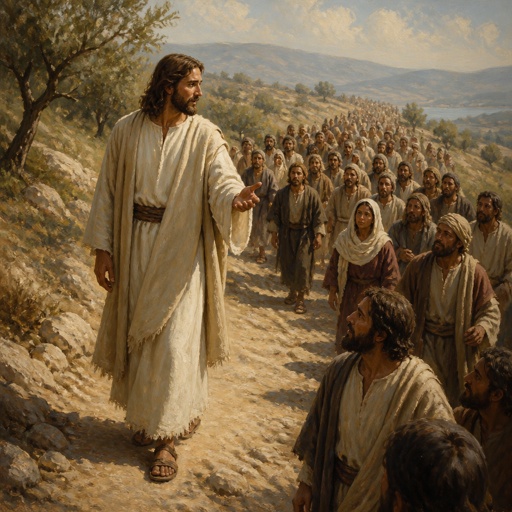
"¶ And there went great multitudes with him: and he turned, and said unto them," - Luke 14:25
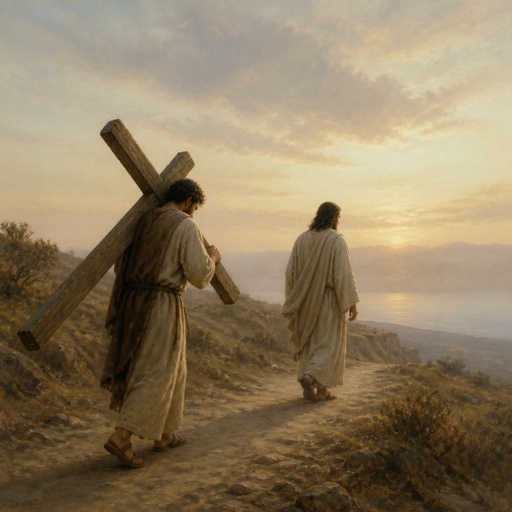
"And whosoever doth not bear his cross, and come after me, cannot be my disciple." - Luke 14:27

1 Corinthians 9:25-27

1 Corinthians 9:25-27

Genesis 25-27

1 Corinthians 9:25-27

1 Corinthians 9:25-27

luke 1:27

John 19:25-27

Matthew 25: 14-25

luke 6: 27

Luke 10:27

John 19:25-27

Luke 1:25

Luke 1:25

Luke 1:25

Luke 12:25

Luke 1:25

Luke 12:25

Luke 1:25

Luke 6: 27-38

Luke 6:27-38

Luke 13:28-27

Luke 13:28-27

Luke 13:28-27