What does Luke 14:27 mean?
“And whosoever doth not bear his cross, and come after me, cannot be my disciple.” — Luke 14:27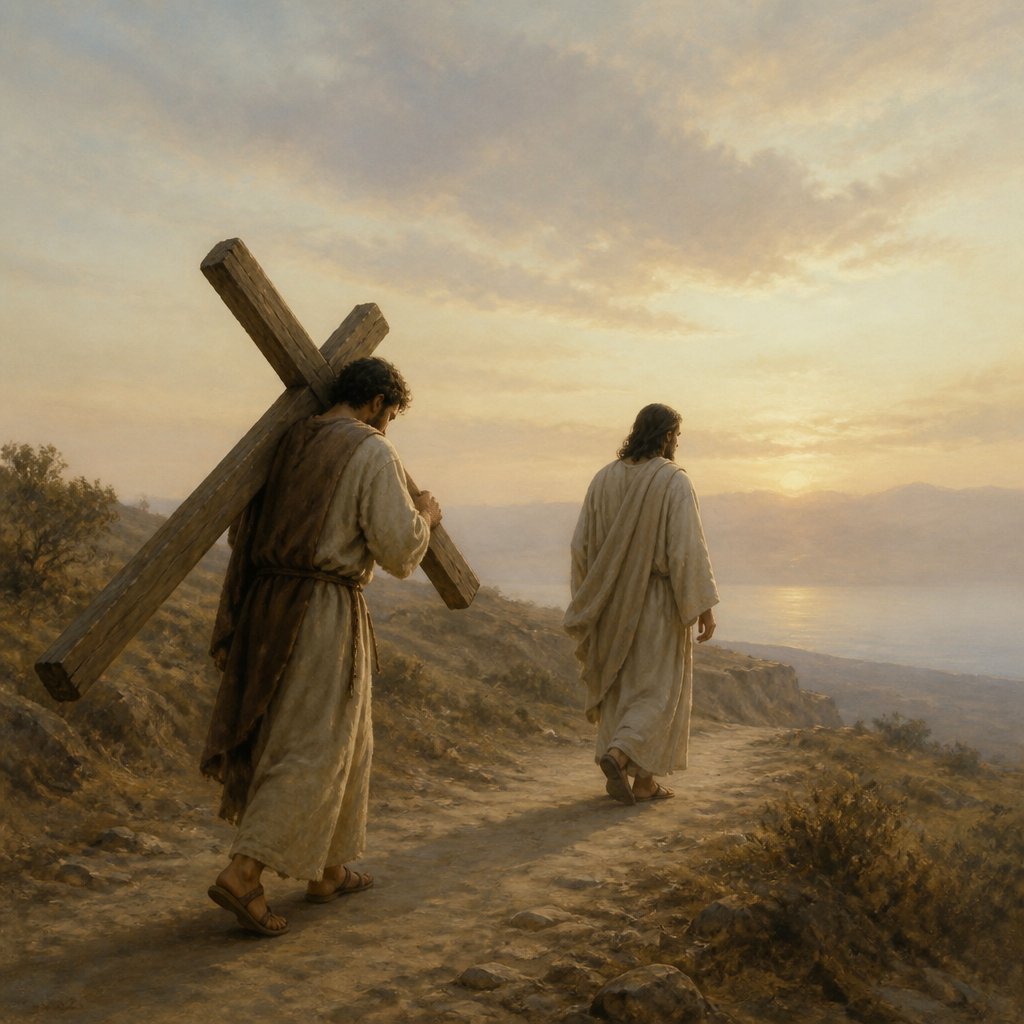
The verse Luke 14:27 in the King James Version of the Bible reads, "And whosoever doth not bear his cross, and come after me, cannot be my disciple." This verse is a powerful reminder of the sacrifice and commitment that is required of those who choose to follow Jesus Christ. In this verse, Jesus is speaking to a large crowd of people, emphasizing the difficult reality of discipleship. He is calling on his followers to be willing to bear their own cross, just as he will soon bear his own cross in his crucifixion.
This verse is located within the larger context of Luke 14, where Jesus is teaching about the cost of discipleship. He uses the imagery of building a tower and going to war to illustrate the need for careful planning and full commitment in the decision to follow him. Those who are not willing to sacrifice and fully commit to following Jesus will not be able to experience the fullness of discipleship. In this way, the verse underscores the call for wholehearted dedication and perseverance in the face of challenges and hardships.
The theme of self-denial and sacrifice is central to Luke 14:27. Jesus is calling on his followers to be willing to put aside their own desires, comforts, and ambitions in order to faithfully follow him. The phrase "bear his cross" is a powerful metaphor for the struggles and challenges that come with following Jesus. In the context of the first-century audience, the reference to bearing one's own cross would have been deeply significant, as crucifixion was a common form of execution used by the Roman Empire. By using this imagery, Jesus is emphasizing the need for his followers to be willing to endure suffering and persecution for the sake of the gospel.
Furthermore, the phrase "come after me" conveys the idea of following Jesus as a daily, lifelong commitment. It is not enough to simply acknowledge Jesus as Lord; true discipleship requires actively following and imitating his example. This involves living a life of faith and obedience, even when it may be difficult or unpopular. Jesus is setting a high standard for his followers, one that requires complete allegiance and devotion.
The symbolism in Luke 14:27 is rich and multi-layered. The image of bearing one's cross not only conveys the physical act of carrying a heavy burden, but also speaks to the idea of embracing the trials and hardships that come with being a follower of Christ. It symbolizes the willingness to endure suffering for the sake of the gospel, just as Jesus himself did on the cross. Additionally, the act of bearing one's cross can be seen as a form of self-sacrifice, representing the need to die to one's own desires and ambitions in order to live for God.
Overall, Luke 14:27 is a challenging and convicting reminder of the high cost of discipleship. It calls for wholehearted commitment and self-denial, emphasizing the need to be willing to endure hardship and suffering for the sake of following Jesus. This verse serves as a powerful encouragement for believers to persevere in their faith, even when faced with trials and opposition. It also highlights the depth of Jesus' love and the radical nature of his call to follow him. As such, it continues to inspire and challenge Christians to live lives of faithful obedience and sacrificial love.
Get our apps


Artwork for Luke 14:27

Luke 14:27 - "And whosoever doth not bear his cross, and come after me, cannot be my disciple."
"And whosoever doth not bear his cross, and come after me, cannot be my disciple." - Luke 14:27

luke 1:27

luke 6: 27

Luke 10:27

Luke 6: 27-38

Luke 6:27-38

Luke 13:28-27

Luke 13:28-27

Luke 13:28-27
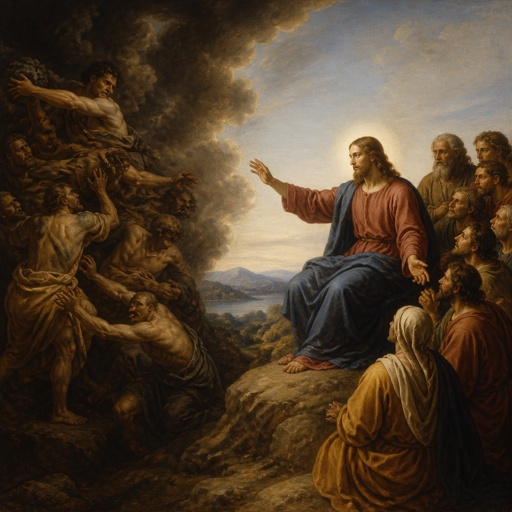
Mattere 14:27
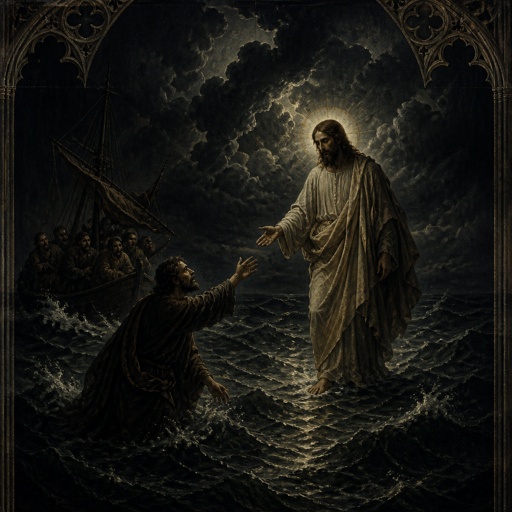
Matthew 14:27
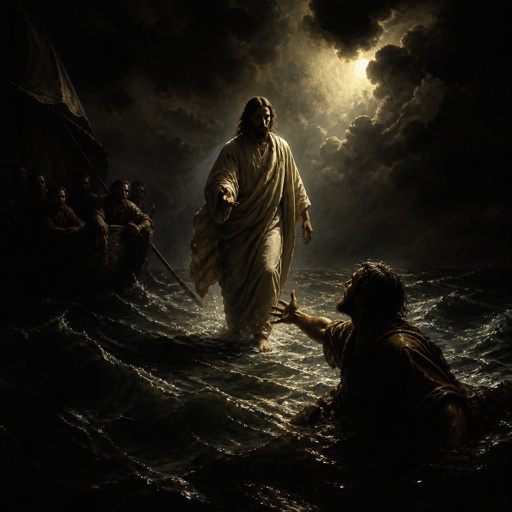
Matthew 14:27
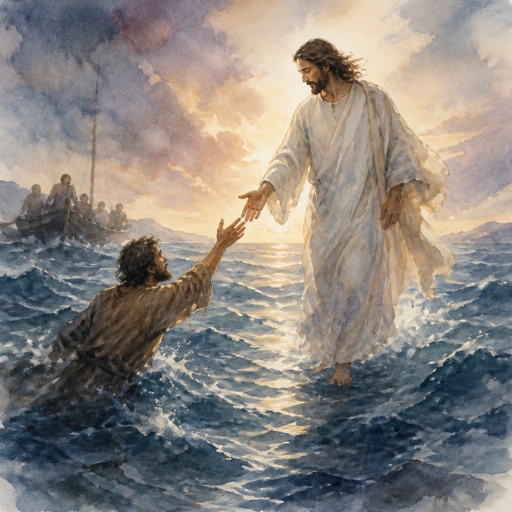
Matthew 14:27

Luke 14:25-27 - "Large crowds were traveling with Jesus, and turning to them he said: “If anyone comes to me and does not hate father and mother, wife and children, brothers and sisters—yes, even their own life—such a person cannot be my disciple. And whoever does not carry their cross and follow me cannot be my disciple."

1 Samuel 14:27

Luke 18:27 - "And he said, The things which are impossible with men are possible with God."
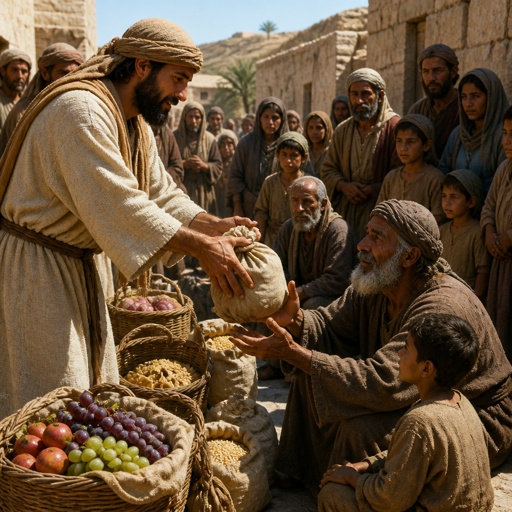
Deut 14:22-27

Psalm 27:13-14

Luke 21:27 - "And then shall they see the Son of man coming in a cloud with power and great glory."

Luke 20:27 - "¶ Then came to him certain of the Sadducees, which deny that there is any resurrection; and they asked him,"

Luke 20:27-38. All people of color.

Luke 14:14 - "And thou shalt be blessed; for they cannot recompense thee: for thou shalt be recompensed at the resurrection of the just."

Luke 23:27 - "¶ And there followed him a great company of people, and of women, which also bewailed and lamented him."

Luke 11:14-15

Luke 18:9-14

Luke 11:1-14

Luke 14:25 - 33

Luke 11:1-14

Luke 2:13-14