What does Luke 15:19 mean?
"And am no more worthy to be called thy son: make me as one of thy hired servants." - Luke 15:19
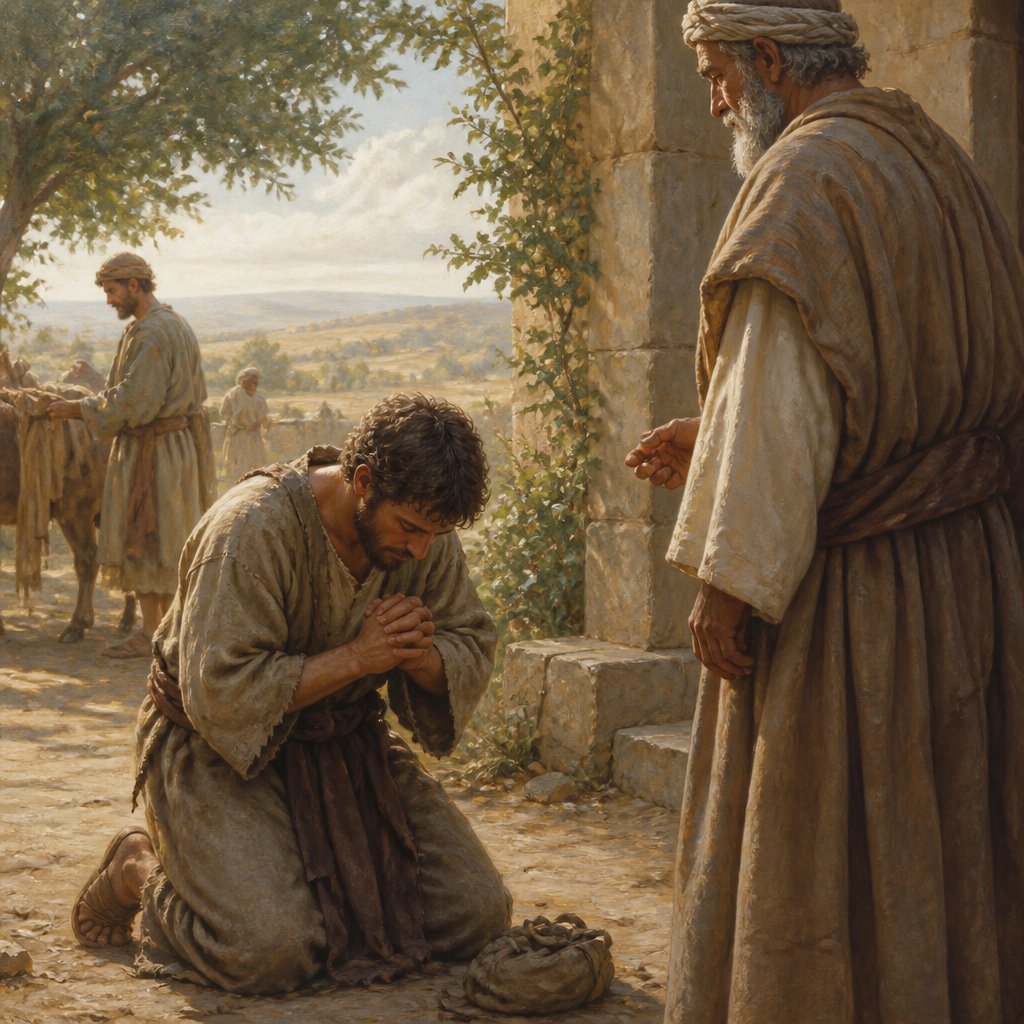
Luke 15:19 (KJV) "And am no more worthy to be called thy son: make me as one of thy hired servants."
The verse Luke 15:19 is part of the Parable of the Prodigal Son, which is found in the Gospel of Luke in the New Testament. This parable is one of the most well-known and beloved stories of Jesus, and it has deep and powerful meaning for Christians.
In the Parable of the Prodigal Son, a man has two sons, and the younger son asks for his inheritance early so that he can go and live a wild and extravagant life. He squanders his inheritance and finds himself living in poverty and desperation. In his lowest moment, he decides to return to his father's house and beg for forgiveness. This is where the verse Luke 15:19 comes in; the son is humbly asking to be seen as nothing more than a hired servant, as he recognizes that he is no longer worthy to be called his father's son.
One of the central themes of this verse is repentance and humility. The son has experienced a profound change of heart and is willing to lower himself to the status of a servant in order to be reconciled with his father. This attitude of humility is a fundamental aspect of the Christian faith, as Jesus himself teaches that "Blessed are the poor in spirit, for theirs is the kingdom of heaven" (Matthew 5:3, KJV). The son's acknowledgment of his unworthiness and his willingness to submit to his father's will exemplify the spiritual transformation that occurs when one turns from sin and seeks reconciliation with God.
The verse also highlights the theme of redemption and forgiveness. Despite the son's reckless behavior and squandering of his inheritance, the father welcomes him back with open arms and celebrates his return. This gracious and unconditional love reflects the heart of God towards his children. In the Christian faith, believers are taught that no matter how far they have strayed, God is always ready to forgive and restore them when they come to Him with a repentant heart. This assurance of God's love and mercy is a source of great comfort and hope for Christians who have experienced brokenness and waywardness in their lives.
Another important theme in this verse is the concept of sonship. The son's plea to be considered as a hired servant rather than a son reveals his deep sense of unworthiness and shame. However, the father's response to his return demonstrates that his status as a son cannot be revoked or diminished by his mistakes. This aspect of the parable points to the unchanging and unbreakable bond between God and His children. In the Christian faith, believers are adopted as sons and daughters of God through faith in Christ, and this status is secure and irrevocable, regardless of their failings and shortcomings.
In terms of context, the Parable of the Prodigal Son is part of a larger set of teachings by Jesus about the kingdom of God and the nature of repentance. The parable is told in response to the Pharisees and scribes who were criticizing Jesus for associating with sinners and tax collectors. Jesus uses this story to illustrate God's relentless love for the lost and the need for true repentance. The verse Luke 15:19 serves as a poignant moment in the parable, encapsulating the son's contrite spirit and the father's boundless grace.
Symbolically, the son's request to be made as one of his father's hired servants reflects the desire for humility and servanthood. In the Christian life, believers are called to imitate Christ's humility and to serve others with love and selflessness. The son's willingness to work as a servant also signifies a fundamental shift in his priorities and values, as he is ready to forsake his former way of life and embrace a new identity as a humble and obedient follower of his father.
In conclusion, the verse Luke 15:19 from the Parable of the Prodigal Son is rich in meaning and significance for Christians. It speaks to the themes of repentance, forgiveness, sonship, and servanthood, and it offers a powerful portrayal of God's unconditional love and grace. This verse continues to inspire and encourage believers to turn from their sins, to humble themselves before God, and to experience the transforming power of His love and mercy.
Have questions about Luke 15:19?
Dive deeper into this scripture with Bible Chat — an AI-powered tool for exploring God's Word through conversation. Ask questions, get context, and grow in your understanding of the Bible.
Get Our Apps


Luke 15:19 Artwork

Luke 15:19 - "And am no more worthy to be called thy son: make me as one of thy hired servants."
"And am no more worthy to be called thy son: make me as one of thy hired servants." - Luke 15:19

Luke 21:15-19
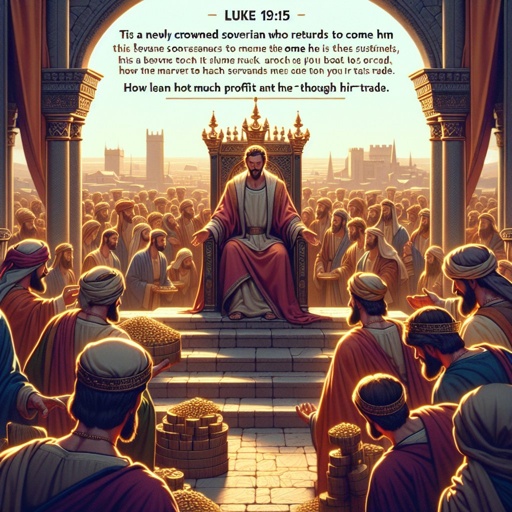
Luke 19:15 - "And it came to pass, that when he was returned, having received the kingdom, then he commanded these servants to be called unto him, to whom he had given the money, that he might know how much every man had gained by trading."

Luke 10:18-19

Luke 13:18-19

Luke 10:18-19

Luke 10:18-19

Luke 13:18-19

Luke 10:17-19

Luke 10:18-19

Luke 10:18-19

Luke 10:18-19

Luke 10:17-19

Luke 19:23

Luke 1:19

Luke 19:23

Luke 19:19 - "And he said likewise to him, Be thou also over five cities."

Luke 19:10
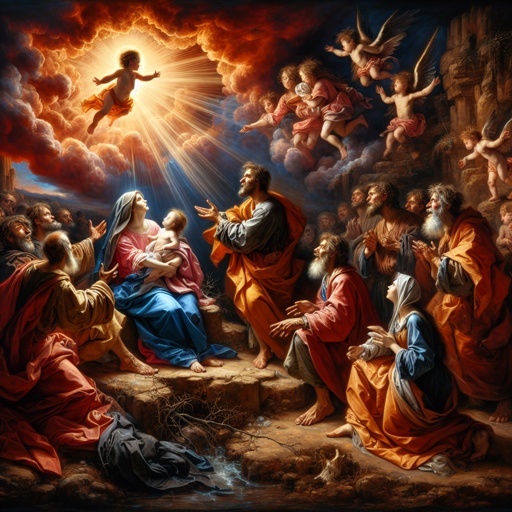
Luke 1:19

Luke 19:28

Luke 1:19
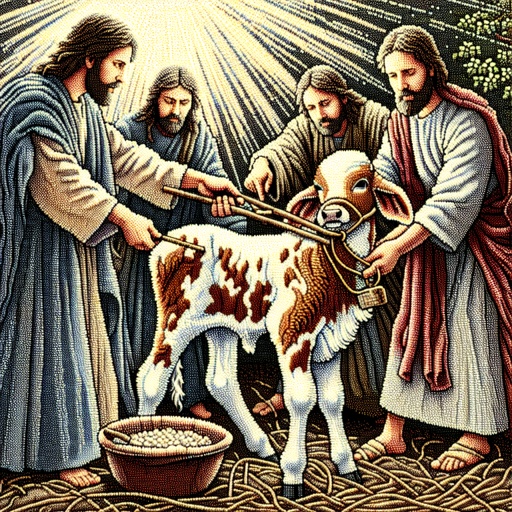
Luke 15:23

Luke 15:10

luke 21:5-19

Luke 19:1-10

Luke 15:21

Luke 15:21

Luke 10:18-19

Luke 19:1-10