What does Luke 15:20-24 mean?
"And he arose, and came to his father. But when he was yet a great way off, his father saw him, and had compassion, and ran, and fell on his neck, and kissed him. And the son said unto him, Father, I have sinned against heaven, and in thy sight, and am no more worthy to be called thy son. But the father said to his servants, Bring forth the best robe, and put it on him; and put a ring on his hand, and shoes on his feet: And bring hither the fatted calf, and kill it; and let us eat, and be merry: For this my son was dead, and is alive again; he was lost, and is found. And they began to be merry." - Luke 15:20-24

Luke 15:20-24 (KJV) reads:
20 And he arose, and came to his father. But when he was yet a great way off, his father saw him, and had compassion, and ran, and fell on his neck, and kissed him.
21 And the son said unto him, Father, I have sinned against heaven, and in thy sight, and am no more worthy to be called thy son.
22 But the father said to his servants, Bring forth the best robe, and put it on him; and put a ring on his hand, and shoes on his feet:
23 And bring hither the fatted calf, and kill it; and let us eat, and be merry:
24 For this my son was dead, and is alive again; he was lost, and is found. And they began to be merry.
This passage is from the parable of the Prodigal Son, one of the most well-known and beloved parables of Jesus. The story is found in the Gospel of Luke, and it explores themes of forgiveness, repentance, and God's unceasing love for His children.
The parable begins with a young man who asks for his inheritance from his father and then goes off to a far country where he squanders his wealth in reckless living. When a famine strikes the land, the young man begins to be in need, and he ends up feeding pigs just to survive. In a moment of clarity, he comes to his senses and decides to return to his father, acknowledging his wrongdoings and asking for forgiveness.
In verses 20-24, the focus is on the father's response to the return of his lost son. When the father sees his son from a distance, he is filled with compassion and runs to him, embracing and kissing him. The son then confesses his sins and expresses his unworthiness to be called his father's son. However, the father does not reproach him or reject him; instead, he orders his servants to bring the best robe, a ring, and shoes for his son. He also instructs them to prepare a feast with the fatted calf to celebrate his son's return. The father's words, "For this my son was dead, and is alive again; he was lost, and is found," signify the joy and relief at the return of the son.
The parable of the Prodigal Son holds deep theological significance and contains important lessons for believers. The younger son's journey from rebellion to repentance and the father's response to his return beautifully illustrate the concepts of grace, forgiveness, and reconciliation.
One theme in this parable is the unconditional love and forgiveness of God. The father in the story represents God the Father, who eagerly awaits the return of His wayward children and rejoices when they come back to Him. Despite the son's disobedience and wastefulness, the father embraces him with love and restores him to his former status as a beloved son. This reflects the biblical truth that God's love knows no bounds, and His mercy is available to all who turn to Him in repentance.
Another theme is the importance of repentance. The prodigal son acknowledges his sins and humbly seeks his father's forgiveness. His journey back to his father is a powerful example of genuine repentance, which involves recognizing one's wrongdoing, turning away from it, and seeking restoration. The parable emphasizes that true repentance is met with God's open arms and willingness to forgive.
The parable also highlights the contrast between the attitudes of the older and younger sons. The older son, who remained obedient and faithful to his father, resents the lavish welcome and celebration given to his wayward brother. This reveals the dangers of self-righteousness and the need to cultivate a spirit of compassion and forgiveness towards those who have gone astray.
The symbolism in this passage is rich and profound. The best robe, the ring, and the shoes signify the restoration of the son's status as a member of the family. The feast with the fatted calf represents the joyous celebration of the son's return. These symbols convey the idea of spiritual renewal, reconciliation, and the abundance of God's grace.
In the context of Jesus' ministry, the parable of the Prodigal Son was meant to challenge the attitudes of the religious leaders of the time who criticized Jesus for associating with sinners and tax collectors. Through this parable, Jesus emphasizes God's heart for the lost and the need for all people to come to repentance and receive His forgiveness.
In conclusion, Luke 15:20-24 presents a powerful portrayal of God's unconditional love, forgiveness, and the joy of reconciliation. It serves as a reminder of the boundless mercy of God and the hope of restoration for all who humbly seek Him. The parable of the Prodigal Son continues to inspire and uplift believers, offering a timeless message of grace and redemption.
Have questions about Luke 15:20-24?
Dive deeper into this scripture with Bible Chat — an AI-powered tool for exploring God's Word through conversation. Ask questions, get context, and grow in your understanding of the Bible.
Get Our Apps


Luke 15:20-24 Artwork

Luke 15:20-24 - "So he got up and went to his father. But while he was still a long way off, his father saw him and was filled with compassion for him; he ran to his son, threw his arms around him and kissed him. The son said to him, 'Father, I have sinned against heaven and against you. I am no longer worthy to be called your son.' But the father said to his servants, 'Quick! Bring the best robe and put it on him. Put a ring on his finger and sandals on his feet. Bring the fattened calf and kill it. Let’s have a feast and celebrate. For this son of mine was dead and is alive again; he was lost and is found.' So they began to celebrate."

"So he got up and went to his father. But while he was still a long way off, his father saw him and was filled with compassion for him; he ran to his son, threw his arms around him and kissed him. The son said to him, 'Father, I have sinned against heaven and against you. I am no longer worthy to be called your son.' But the father said to his servants, 'Quick! Bring the best robe and put it on him. Put a ring on his finger and sandals on his feet. Bring the fattened calf and kill it. Let’s have a feast and celebrate. For this son of mine was dead and is alive again; he was lost and is found.' So they began to celebrate." - Luke 15:20-24

Luke 20:24 - "Shew me a penny. Whose image and superscription hath it? They answered and said, Caesar's."

Luke 15:24 - "For this my son was dead, and is alive again; he was lost, and is found. And they began to be merry."

Luke 24:20 - "And how the chief priests and our rulers delivered him to be condemned to death, and have crucified him."

Luke 24:15 - "And it came to pass, that, while they communed together and reasoned, Jesus himself drew near, and went with them."

Luke 20:15 - "So they cast him out of the vineyard, and killed him. What therefore shall the lord of the vineyard do unto them?"

"Shew me a penny. Whose image and superscription hath it? They answered and said, Caesar's." - Luke 20:24

"And he arose, and came to his father. But when he was yet a great way off, his father saw him, and had compassion, and ran, and fell on his neck, and kissed him." - Luke 15:20

"For this my son was dead, and is alive again; he was lost, and is found. And they began to be merry." - Luke 15:24

Luke 15:20 - "And he arose, and came to his father. But when he was yet a great way off, his father saw him, and had compassion, and ran, and fell on his neck, and kissed him."

"And how the chief priests and our rulers delivered him to be condemned to death, and have crucified him." - Luke 24:20

"And it came to pass, that, while they communed together and reasoned, Jesus himself drew near, and went with them." - Luke 24:15

Luke 24:1

Luke 24:35

Luke 24:42

Luke 21:24

Luke 13:24

luke 24:17

Luke 13:20-21

Luke 13:20-21

Luke 13:20-21

Luke 13:20-21
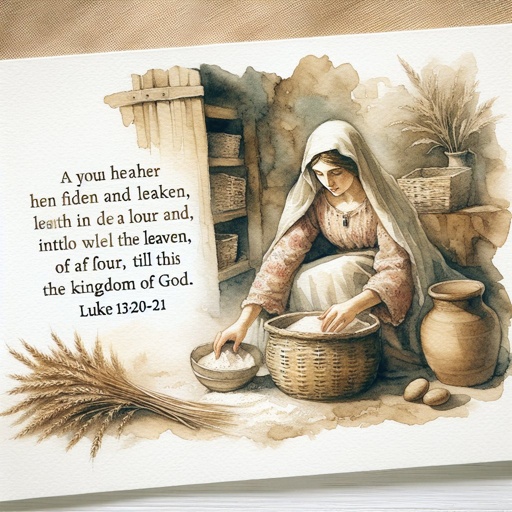
Luke 13:20-21

Luke 24:8 - "And they remembered his words,"

Genesis 24-20

Luke 24:13-35

LUKE 24:41-43

Luke 24:48 - "And ye are witnesses of these things."

Luke 20:28