What does Luke 15:12 mean?
“And the younger of them said to his father, Father, give me the portion of goods that falleth to me. And he divided unto them his living.” — Luke 15:12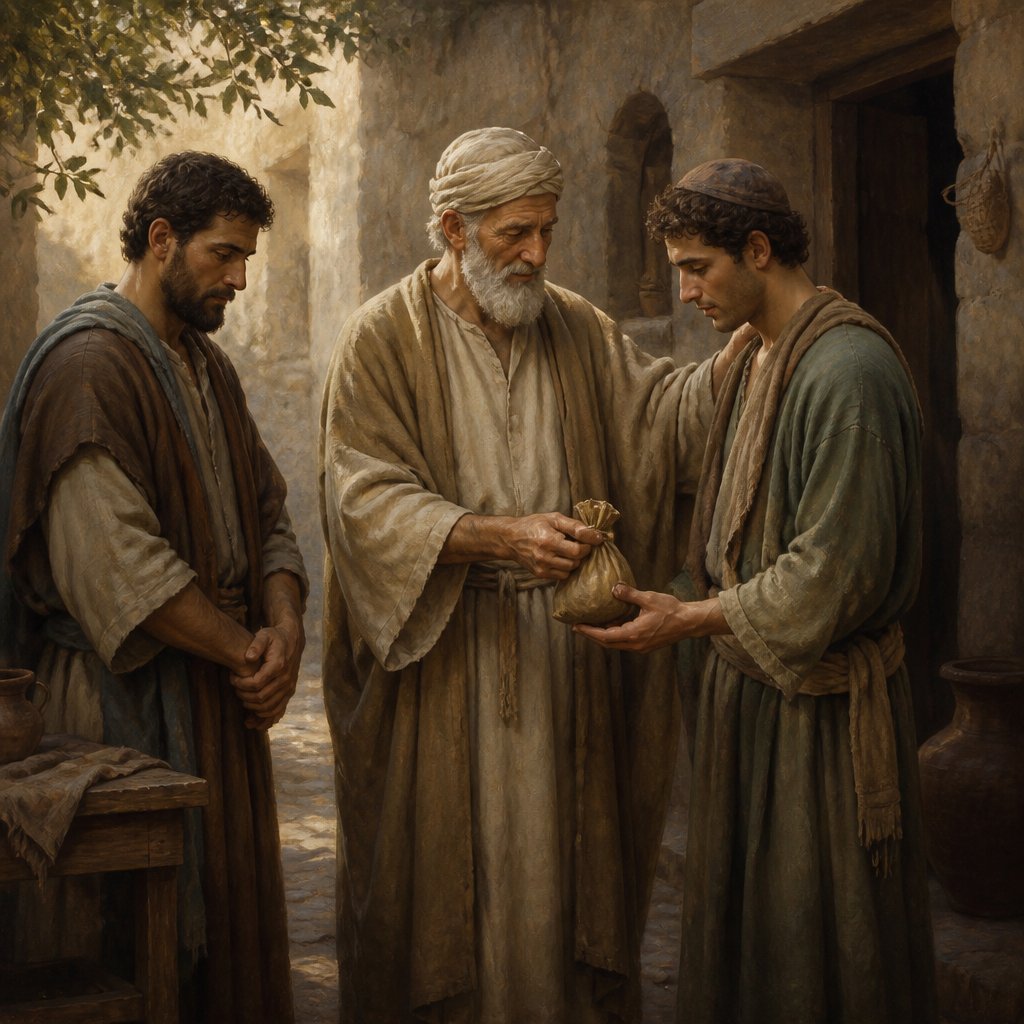
The Bible verse Luke 15:12 in the King James Version (KJV) states, "And the younger of them said to his father, Father, give me the portion of goods that falleth to me. And he divided unto them his living." This verse is part of the well-known parable of the prodigal son, which is found in Luke 15:11-32. This parable is one of the most famous and beloved stories in the Bible, and it has been widely interpreted and analyzed throughout history.
In the parable of the prodigal son, a man has two sons. The younger son approaches his father and asks for his share of the inheritance. This request is incredibly disrespectful and essentially amounts to wishing his father were dead, as the inheritance is typically given after the father's death. Despite this, the father grants his son's request and divides his property between his two sons. The younger son then goes off to a distant country, where he squanders his wealth in wild living. He eventually finds himself in a desperate situation and decides to return home, where he is welcomed and celebrated by his father.
One of the key themes of this parable is forgiveness and unconditional love. Despite his son's reckless behavior and disrespectful request, the father does not hold a grudge. Instead, he eagerly welcomes his son back with open arms and celebrates his return. This demonstrates the unending love and mercy of God, who is always ready to forgive and embrace those who repent.
Another important theme in this parable is redemption. The prodigal son realizes the error of his ways and chooses to return to his father, seeking forgiveness and reconciliation. This demonstrates the transformative power of repentance and the possibility of finding redemption and restoration through God's grace.
The parable also serves as a reminder of the value of humility and the destructive nature of pride. The younger son's request for his inheritance is rooted in his desire for independence and self-indulgence. However, his actions lead to his downfall, and he ends up in a desperate and humbled state. It is only through humility and the acknowledgment of his mistakes that he is able to find his way back to his father.
The context of this parable is also crucial for understanding its significance. In the beginning of Luke 15, Jesus is criticized by the Pharisees and scribes for associating with sinners and tax collectors. In response, Jesus tells three parables about the joy of finding what was lost – the parable of the lost sheep, the parable of the lost coin, and the parable of the prodigal son. These parables emphasize God's love for sinners and the joy that is experienced when a lost soul is found and returned to the fold.
The symbolism in this parable is rich and profound. The father represents God, who is loving, compassionate, and eager to forgive. The prodigal son symbolizes those who have strayed from God and have lived a life of sin. The older son represents the self-righteous and judgmental attitude of the Pharisees and scribes, who struggle to understand God's unconditional love and forgiveness.
Overall, the parable of the prodigal son conveys a powerful message about the transformative and redemptive nature of God's love. It serves as a reminder of the value of humility, the destructive nature of pride, and the joy that is experienced when a lost soul is found and welcomed back into the loving embrace of God.
Get our apps


Artwork for Luke 15:12

Luke 15:12 - "And the younger of them said to his father, Father, give me the portion of goods that falleth to me. And he divided unto them his living."
"And the younger of them said to his father, Father, give me the portion of goods that falleth to me. And he divided unto them his living." - Luke 15:12

Luc 15:1-2

Luke 12:15 - "And he said unto them, Take heed, and beware of covetousness: for a man's life consisteth not in the abundance of the things which he possesseth."

Luc 15:1-2

Luc 15:1-2

Luc 15:1-2
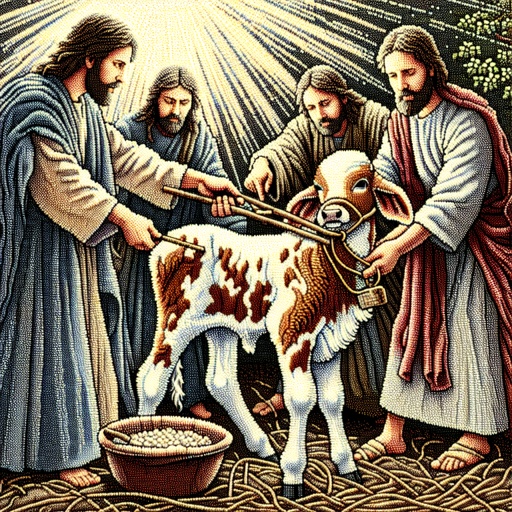
Luke 15:23

Luke 15:10

Luke 15:21

Luke 15:21

Luke 12:25

Luke 12:25

Luke 12: 49

Luke 12:34

Luke 12:10

Luke 12:50

Luke 15: 4-7

Luke 11:14-15

Luke 21:15-19

Luke 15:11-32
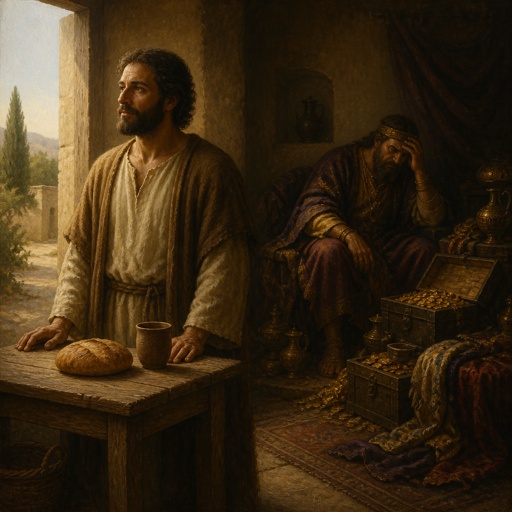
"And he said unto them, Take heed, and beware of covetousness: for a man's life consisteth not in the abundance of the things which he possesseth." - Luke 12:15

Luke 12:12 - "For the Holy Ghost shall teach you in the same hour what ye ought to say."

Luke 15:15 - "And he went and joined himself to a citizen of that country; and he sent him into his fields to feed swine."

Luke 1:11-12

Luke 12:25-26

Luke 12:25-26

Luke 12:25-26

Luke 12:25-26

Luke 12:25-26