What does Luke 15:21 mean?
“And the son said unto him, Father, I have sinned against heaven, and in thy sight, and am no more worthy to be called thy son.” — Luke 15:21
The Bible verse Luke 15:21 in the King James Version (KJV) states, "And the son said unto him, Father, I have sinned against heaven, and in thy sight, and am no more worthy to be called thy son." This verse is part of the larger parable known as the Prodigal Son, which is found in the Gospel of Luke, chapter 15. The Prodigal Son is one of the most famous and beloved parables Jesus told, and it is rich with themes of repentance, forgiveness, and the love of God.
In the context of the parable, a man had two sons, and the younger son asked for his inheritance in advance, which was a disrespectful and unheard-of request in that culture. The son then squandered his inheritance on a life of reckless living. When he found himself hungry and in need, he decided to return to his father, not as a son, but as a hired servant. However, his father saw him from a distance, ran to him, embraced him, and celebrated his return. This parable reveals the deep love of God for His children and the power of repentance and forgiveness.
The verse Luke 15:21 is spoken by the repentant son as he expresses his deep remorse and unworthiness to be called his father's son. In doing so, he acknowledges his sin and the brokenness he has caused, not only in his relationship with his father, but also in his relationship with God. His confession is a profound moment of humility and recognition of the wrongs he has committed.
The theme of repentance is central to this verse. The son recognizes that his actions have caused harm to his relationship with his father and with God. This recognition is the first step toward reconciliation and restoration. It is a humble and genuine acknowledgment of sin and a willingness to turn away from it. This theme ties into the broader message of the parable, which is about God's boundless mercy and forgiveness towards those who repent.
Another theme is the father's unconditional love and forgiveness. Despite the son's unworthiness and sins, the father does not condemn him, but rather embraces and forgives him. This reflects the love and forgiveness of God towards His people, demonstrating that no matter how far we may wander or how deeply we may fall into sin, God's love and grace are always available to us when we repent and turn back to Him.
The symbolism in this verse is profound. The son's confession represents the repentance of all who recognize their need for God's forgiveness. It shows the humility and contrition required for true repentance. The father's response symbolizes God's love and forgiveness, which surpasses all human understanding. The son's unworthiness to be called a son is contrasted with the father's grace and mercy in accepting him back into the family. This symbolism reflects the spiritual truth that no one is truly worthy of God's grace, but it is freely given to those who repent and seek reconciliation with Him.
In conclusion, Luke 15:21 in the KJV version is a powerful and moving verse that encapsulates the themes of repentance, forgiveness, and the boundless love of God. It demonstrates the transformative power of a humble and contrite heart and the depth of God's mercy towards those who sincerely repent. This verse serves as a reminder of the unconditional love and grace that God offers to all who seek Him with a genuine heart. It is a timeless message of hope and redemption for all who are willing to acknowledge their sins and turn back to the Father's open arms.
Get our apps


Artwork for Luke 15:21

Luke 15:21

Luke 15:21

Luke 15:21 - "And the son said unto him, Father, I have sinned against heaven, and in thy sight, and am no more worthy to be called thy son."

"And the son said unto him, Father, I have sinned against heaven, and in thy sight, and am no more worthy to be called thy son." - Luke 15:21

Luke 21:15-19

Luke 21:15 - "For I will give you a mouth and wisdom, which all your adversaries shall not be able to gainsay nor resist."

Luke 21:14-15 - "But make up your mind not to worry beforehand how you will defend yourselves. For I will give you words and wisdom that none of your adversaries will be able to resist or contradict."

Luke 13:20-21

Luke 13:20-21
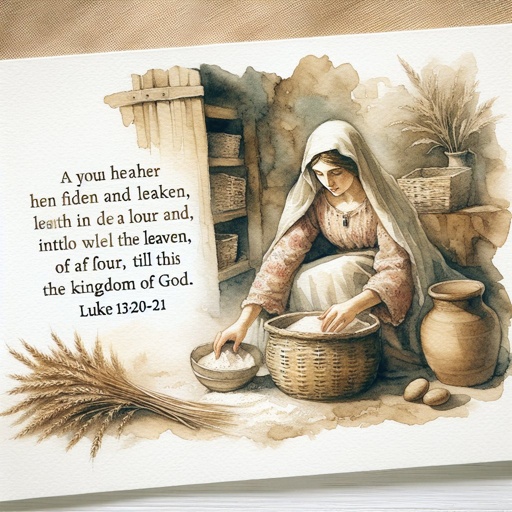
Luke 13:20-21

Luke 13:20-21

Luke 13:20-21

"For I will give you a mouth and wisdom, which all your adversaries shall not be able to gainsay nor resist." - Luke 21:15

Luke 21:24

Luke 6:21-26

luke 21:5-19
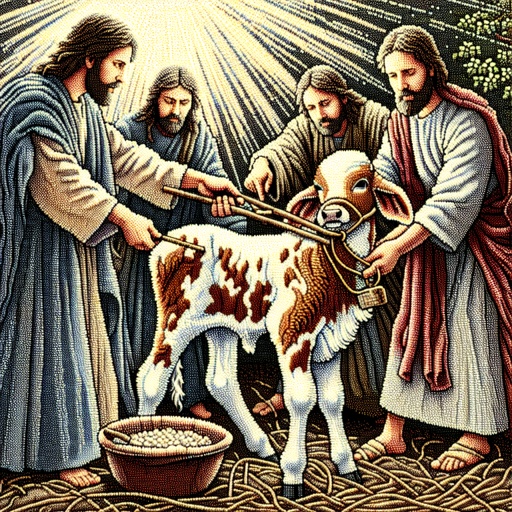
Luke 15:23

Luke 15:10

Luke 6:21-26

Luke 2:16 - 21

Luke 21:13 - "And it shall turn to you for a testimony."

Genesis 15:21

Exodus 15:21

Genesis 21-15

Luke 21:18 - "But there shall not an hair of your head perish."

Luke 15: 4-7

Luke 11:14-15

Luke 21:19 - "In your patience possess ye your souls."

Luke 23:21 - "But they cried, saying, Crucify him, crucify him."

Luke 15:11-32