What does Luke 15:25 mean?
“Now his elder son was in the field: and as he came and drew nigh to the house, he heard musick and dancing.” — Luke 15:25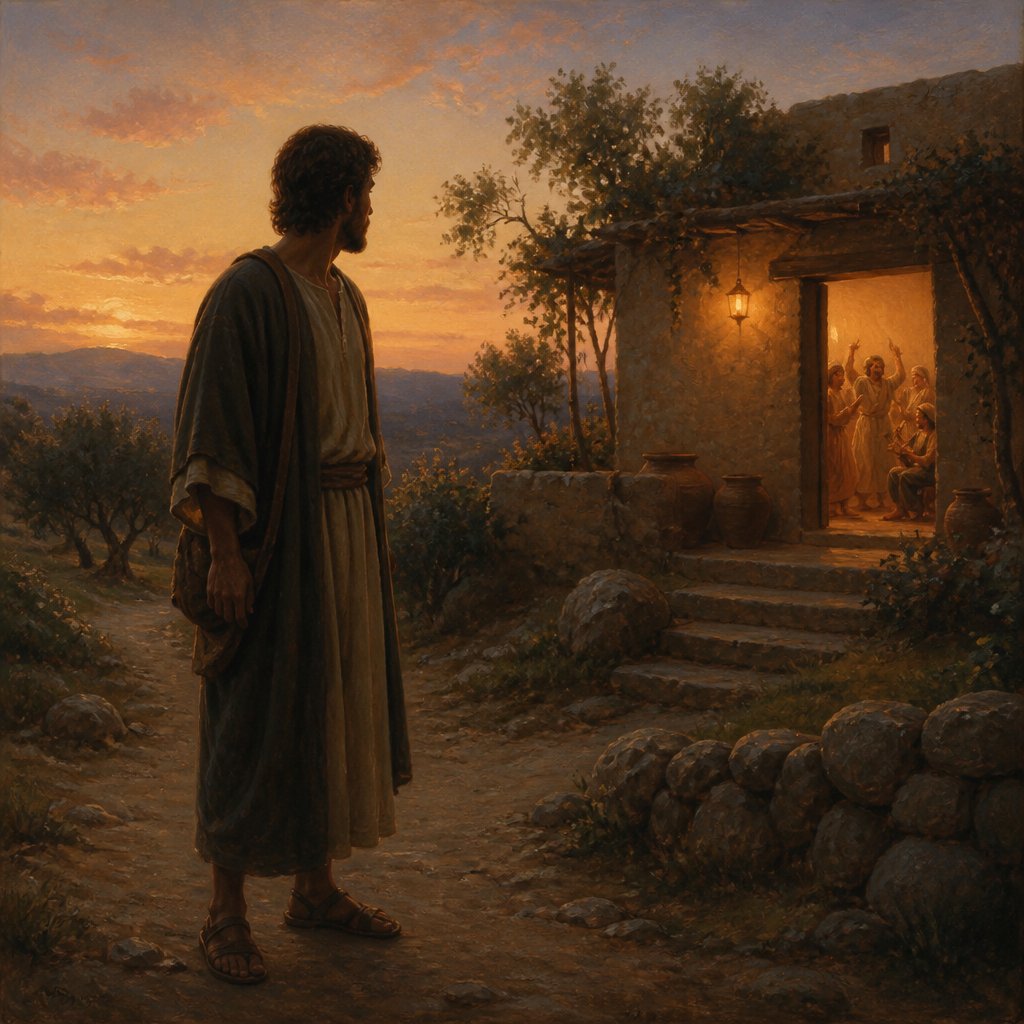
Luke 15:25 (KJV) reads: "Now his elder son was in the field: and as he came and drew nigh to the house, he heard musick and dancing."
The parable of the prodigal son, from which this verse is taken, is one of the most well-known and beloved stories in the New Testament. It is a story of redemption, forgiveness, and the boundless love of God. In this verse, we see the reaction of the elder son to the celebration being held for the return of his younger brother, who had squandered his inheritance and then returned to his father in repentance.
The context of this verse is important for understanding its meaning. The chapter begins with Jesus addressing the Pharisees and scribes, who were grumbling about Jesus associating with sinners and tax collectors. In response, Jesus tells three parables: the parable of the lost sheep, the parable of the lost coin, and the parable of the prodigal son. These parables are all about the joy of finding something that was lost, whether it be a sheep, a coin, or a lost son.
In the parable of the prodigal son, the younger son asks his father for his inheritance and then goes off to a far country, where he squanders it in reckless living. When a famine hits the land, the younger son finds himself in need and decides to return to his father, expecting to be treated as a hired servant. However, the father sees his son from a distance and runs to him, embracing him and celebrating his return with a lavish feast. This act of forgiveness and grace is the central focus of the story.
The verse we are focusing on here describes the reaction of the elder son, who had been working in the field and was on his way back to the house. Instead of being overjoyed at his brother's return, he hears music and dancing and is filled with anger and resentment. This reaction sets the stage for the rest of the parable, in which the father goes out to plead with his elder son to join in the celebration and to show him the same love and forgiveness that he showed to his younger brother.
The themes present in this verse are numerous and profound. One of the central themes is the unconditional love and forgiveness of God. The father in the parable represents God, who is always ready to welcome back those who have strayed and to forgive their sins. The celebration and feasting symbolize the joy in heaven over a sinner who repents, as Jesus mentions earlier in Luke 15:7. This verse also highlights the theme of jealousy and resentment, as the elder son's reaction reveals his anger at the attention his brother is receiving.
The context of Jesus' audience is also important to consider when interpreting this verse. The Pharisees and scribes in Jesus' audience were the religious leaders of the time, and they prided themselves on their righteousness and adherence to the law. The parable of the prodigal son challenges their understanding of God's grace and forgiveness. It serves as a powerful reminder that no one is beyond the reach of God's love, no matter how far they have strayed.
Symbolism is also abundant in this verse. The music and dancing represent the joy and celebration that accompany repentance and forgiveness. The elder son's reaction symbolizes the attitude of the religious leaders who were critical of Jesus' association with sinners. The fields where the elder son is working can be seen as representing the toil and labor of those who are trying to earn their righteousness through their own efforts, rather than accepting the free gift of grace from God.
In conclusion, Luke 15:25 is a crucial verse within the parable of the prodigal son, shedding light on important themes of love, forgiveness, and the boundless grace of God. It challenges our human understanding of justice and mercy, and calls us to examine our own attitudes towards those who have gone astray. As we reflect on this verse, may we be reminded of the incredible depth of God's love for each of us, and may we strive to extend that same love and forgiveness to others.
Get our apps


Artwork for Luke 15:25

Luke 15:25 - "Now his elder son was in the field: and as he came and drew nigh to the house, he heard musick and dancing."
"Now his elder son was in the field: and as he came and drew nigh to the house, he heard musick and dancing." - Luke 15:25

Luke 1:25

Luke 1:25

Luke 1:25

Luke 12:25

Luke 1:25

Luke 12:25
Luke 1:25
Luke 12:25-26

Luke 12:25-26

Luke 12:25-26

Luke 12:25-26

Luke 12:25-26

Luke 12:25-26

Luke 12:25-26

Luke 14:25 - 33

Genesis 25-15
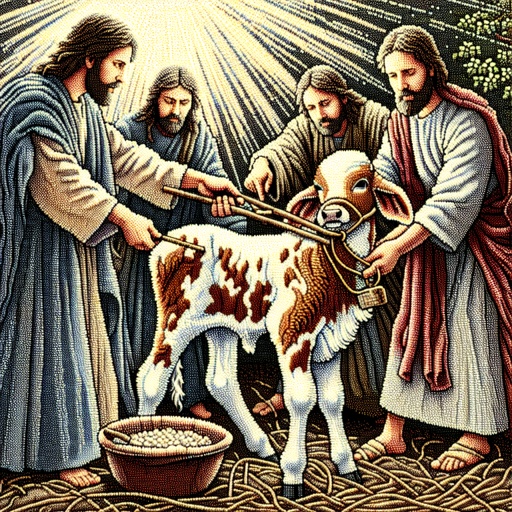
Luke 15:23

Luke 15:10

Luke 11:25 - "And when he cometh, he findeth it swept and garnished."

Luke 15:21

Luke 15:21

Mark 15:25 - "And it was the third hour, and they crucified him."

Luke 19:25 - "(And they said unto him, Lord, he hath ten pounds.)"

Luke 17:25 - "But first must he suffer many things, and be rejected of this generation."

Genesis 25:15 - "Hadar, and Tema, Jetur, Naphish, and Kedemah:"

Luke 14:25 - "¶ And there went great multitudes with him: and he turned, and said unto them,"

Luke 15: 4-7

Luke 11:14-15