What does Luke 15:26 mean?
“And he called one of the servants, and asked what these things meant.” — Luke 15:26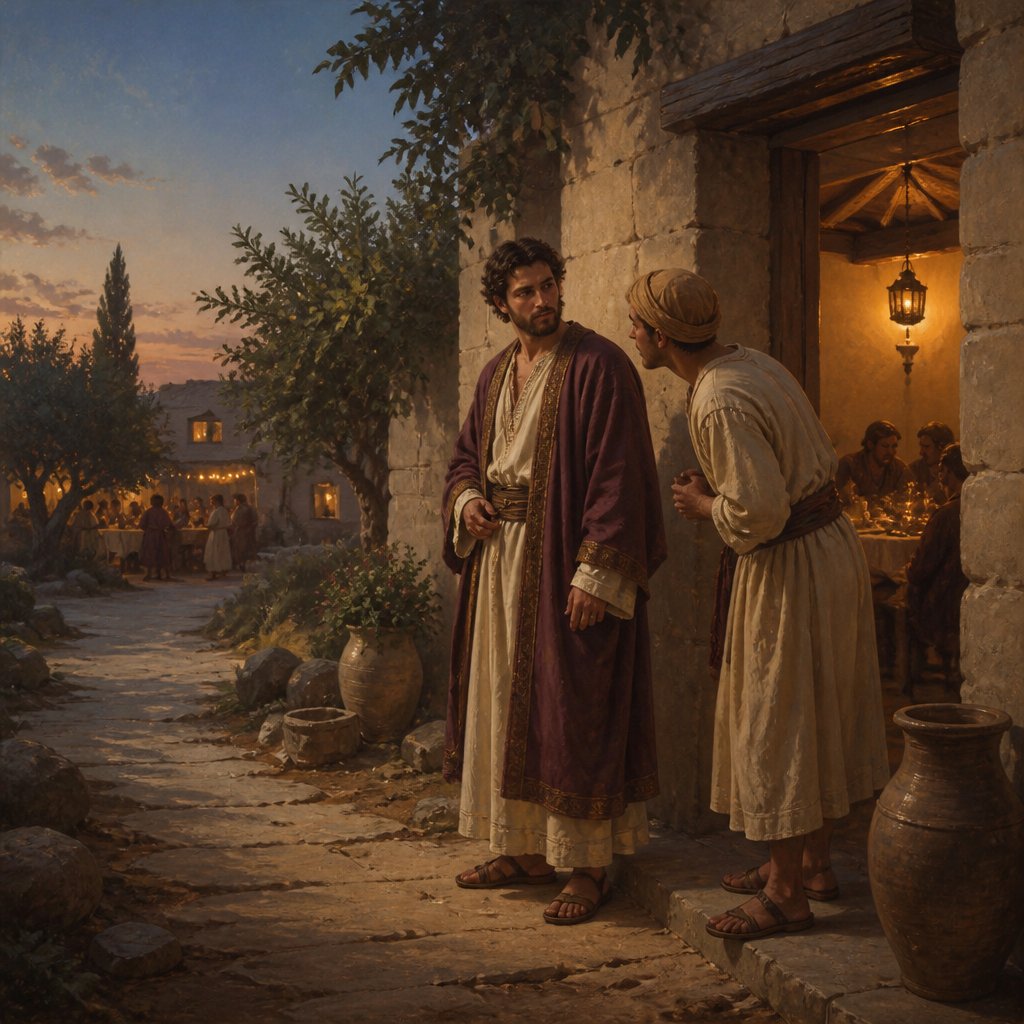
The Bible verse Luke 15:26 from the King James Version (KJV) reads, "And he called one of the servants, and asked what these things meant."
This verse comes from the parable of the Prodigal Son, which is one of the most well-known parables of Jesus Christ, found in the Gospel of Luke. In this parable, a man has two sons, the younger of whom asks for his inheritance early and then squanders it in extravagant living. After realizing his mistake, he returns home and is welcomed with open arms by his father, who throws a feast in his honor. The older son, who has always been obedient and faithful, becomes resentful, and his father comes out to plead with him to join the celebration.
The verse 15:26 is part of the dialogue between the older son and a servant. The son is outside and hears music and dancing, and he calls one of the servants to ask what is happening. This verse marks a moment of tension and curiosity, as the son tries to understand the joyous celebration going on inside his home.
At its core, this parable is a story about forgiveness, reconciliation, and the unmerited grace of God. The wayward son represents all of us when we turn away from God, and the father's response symbolizes God's unfailing love and willingness to forgive and restore us when we repent. The older son's reaction reflects the self-righteous attitudes and lack of forgiveness that can sometimes prevent us from truly experiencing the joy of God's grace.
The parable of the Prodigal Son is a powerful reminder that God's love is unconditional and that no matter how far we may stray, we are always welcomed back. It also challenges us to examine our own attitudes towards forgiveness and the way we treat others. Are we quick to judge and condemn, or are we willing to extend grace and mercy as God does?
The specific verse 15:26, "And he called one of the servants, and asked what these things meant," captures the older son's confusion and curiosity about the celebration. This moment reflects his lack of understanding and his unwillingness to join in the joyous festivities. It also serves as a reminder of the importance of seeking understanding and clarity in our own lives. When we encounter situations that we don't understand or that challenge us, it's essential to seek out answers and not jump to conclusions.
Furthermore, this verse can also be seen as a reflection of our own spiritual journey. Just as the older son is outside the celebration, many of us may feel separated from the joy and fullness of life that comes from a relationship with God. We may struggle with feelings of resentment, comparison, or unworthiness that prevent us from embracing the love and forgiveness that God offers.
Ultimately, the parable of the Prodigal Son challenges us to examine our hearts and confront the attitudes and beliefs that separate us from God and others. It calls us to extend grace and forgiveness, just as we have received it from God. As we meditate on this verse and the parable as a whole, may we be reminded of God's unending love and invitation to join in the celebration of his kingdom.
Get our apps


Artwork for Luke 15:26

Luke 15:26 - "And he called one of the servants, and asked what these things meant."
"And he called one of the servants, and asked what these things meant." - Luke 15:26

luke 1:26

luke 1:26

Luke 1:26

Luke 12:25-26

Luke 12:25-26

Luke 16:22-26

Luke 12:25-26

Luke 6:21-26

Luke 12:25-26
Luke 12:25-26

Luke 12:25-26

Luke 6:21-26

Luke 5:17-26

Luke 12:25-26

Isa 26:15

Luke 18:26 - "And they that heard it said, Who then can be saved?"

Matthew 26:15

Matthew 26:15

Luke 8:26 - "¶ And they arrived at the country of the Gadarenes, which is over against Galilee."

Joshua 15:26 - "Amam, and Shema, and Moladah,"
Luke 15:23

Luke 15:10

John 15:26 NLT

Luke 15:21

Luke 15:21

Luke 17:26 - "And as it was in the days of Noe, so shall it be also in the days of the Son of man."

Luke 15: 4-7

Luke 11:14-15