What does Luke 15:29-32 mean?
"And he answering said to his father, Lo, these many years do I serve thee, neither transgressed I at any time thy commandment: and yet thou never gavest me a kid, that I might make merry with my friends: But as soon as this thy son was come, which hath devoured thy living with harlots, thou hast killed for him the fatted calf. And he said unto him, Son, thou art ever with me, and all that I have is thine. It was meet that we should make merry, and be glad: for this thy brother was dead, and is alive again; and was lost, and is found." - Luke 15:29-32
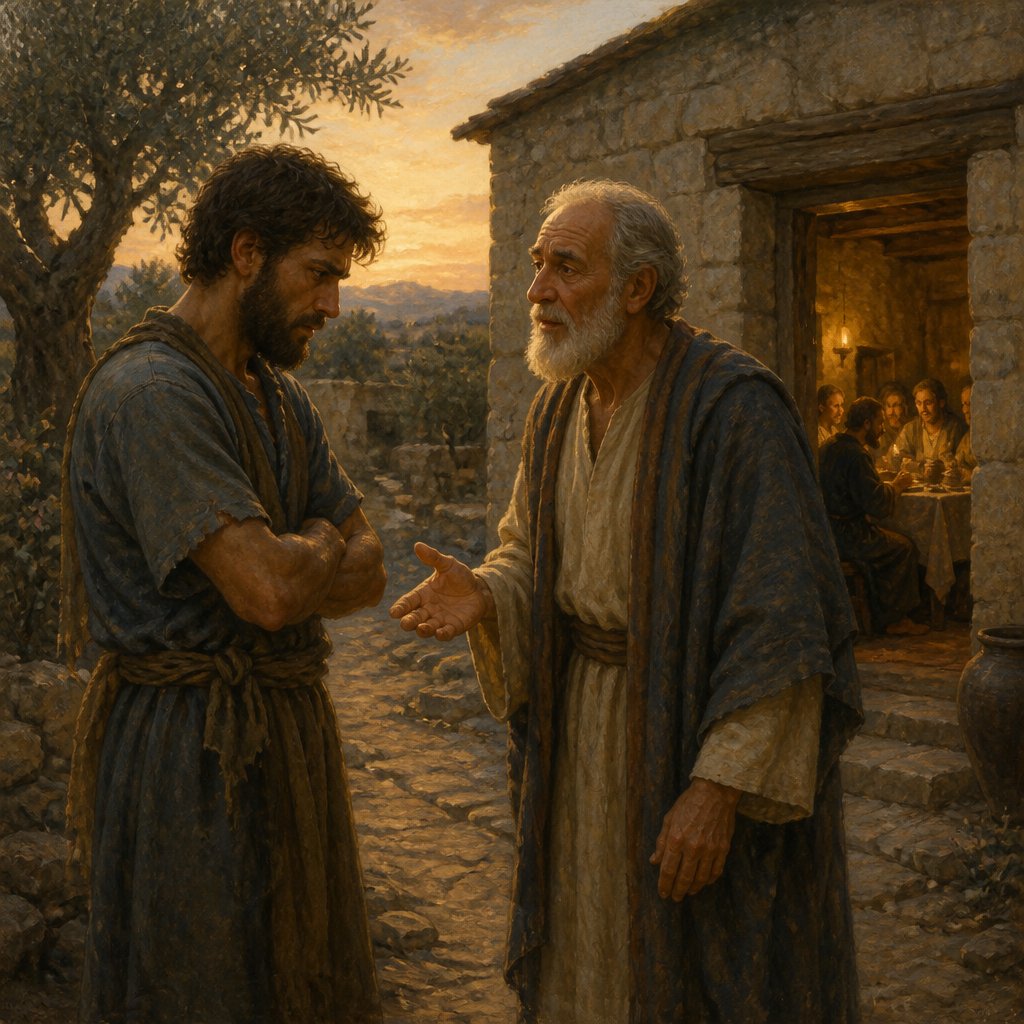
The Bible verse Luke 15:29-32 from the King James Version (KJV) reads: "And he answering said to his father, Lo, these many years do I serve thee, neither transgressed I at any time thy commandment: and yet thou never gavest me a kid, that I might make merry with my friends: But as soon as this thy son was come, which hath devoured thy living with harlots, thou hast killed for him the fatted calf. And he said unto him, Son, thou art ever with me, and all that I have is thine. It was meet that we should make merry, and be glad: for this thy brother was dead, and is alive again; and was lost, and is found."
This passage is part of the parable of the Prodigal Son, which is one of the most well-known and beloved parables of Jesus. This story is found in the gospel of Luke, and it is about a father and his two sons. The younger son asks for his inheritance and then squanders it in wild living. Once he realizes his mistake, he returns home and is welcomed back by his father, who throws a lavish celebration for his return. The older son, who has remained faithful and obedient, is upset by the father's joy and acceptance of his wayward brother. The father's response to the older son's anger is the focus of this particular verse.
The themes present in this passage are numerous and rich. They include forgiveness, grace, mercy, brotherly love, obedience, repentance, and redemption. The parable as a whole is a powerful illustration of God's unconditional love and the joy that is found in heaven when a sinner repents. This specific verse addresses the issue of self-righteousness and the need for a humble and compassionate heart.
The context of this passage is crucial for understanding its full meaning. Jesus tells this parable in response to the criticism he receives from the Pharisees and scribes, who disapprove of the company he keeps with tax collectors and sinners. In telling the parable, Jesus is challenging the self-righteous attitude of the religious leaders and emphasizing the value of every human soul in God's eyes. The parable is a reminder that no one is beyond the reach of God's grace, and that even those who have strayed far from the path can find forgiveness and restoration.
In Luke 15:29-32, the older son's attitude reveals his deep sense of entitlement and resentment. He feels that his faithfulness and obedience should be rewarded with greater recognition and honor from his father. He even accuses his father of never having given him a goat to celebrate with his friends, in contrast to the lavish celebration thrown for his wayward brother. His bitterness and anger expose his lack of understanding of his father's heart and his lack of compassion for his brother.
The father's response, "Son, thou art ever with me, and all that I have is thine. It was meet that we should make merry, and be glad: for this thy brother was dead, and is alive again; and was lost, and is found," highlights the central message of the parable. The father reminds the older son that everything he has belongs to him, and that there is no need to feel overlooked or unappreciated. He also explains that it is only right to celebrate the return of his lost son, who was dead to them but is now alive again.
The symbolism in this passage is profound. The older son represents the self-righteous and judgmental attitude of the Pharisees and religious leaders, who see themselves as superior to sinners and unworthy of God's grace. The younger son symbolizes the repentant sinner who recognizes his need for forgiveness and is welcomed back into the loving arms of the father. The fatted calf and the celebration represent the joy in heaven over the salvation of a lost soul.
In conclusion, Luke 15:29-32 is a powerful and thought-provoking passage that challenges our attitudes towards forgiveness, grace, and compassion. It reminds us of the danger of self-righteousness and the need for a humble and loving heart towards those who have strayed. It also reflects God's unending love and joy when a sinner repents and returns to Him. This parable continues to inspire and convict Christians to this day, calling us to imitate the father's unconditional love and mercy towards others.
Have questions about Luke 15:29-32?
Dive deeper into this scripture with Bible Chat — an AI-powered tool for exploring God's Word through conversation. Ask questions, get context, and grow in your understanding of the Bible.
Get Our Apps


Luke 15:29-32 Artwork

Luke 15:29-32 - "But he answered his father, 'Look! All these years I've been slaving for you and never disobeyed your orders. Yet you never gave me even a young goat so I could celebrate with my friends. But when this son of yours who has squandered your property with prostitutes comes home, you kill the fattened calf for him!' 'My son,' the father said, 'you are always with me, and everything I have is yours. But we had to celebrate and be glad, because this brother of yours was dead and is alive again; he was lost and is found.'"
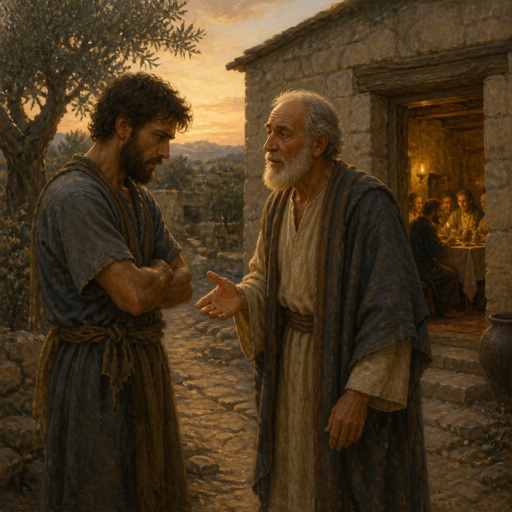
"But he answered his father, 'Look! All these years I've been slaving for you and never disobeyed your orders. Yet you never gave me even a young goat so I could celebrate with my friends. But when this son of yours who has squandered your property with prostitutes comes home, you kill the fattened calf for him!' 'My son,' the father said, 'you are always with me, and everything I have is yours. But we had to celebrate and be glad, because this brother of yours was dead and is alive again; he was lost and is found.'" - Luke 15:29-32

Luke 15:11-32
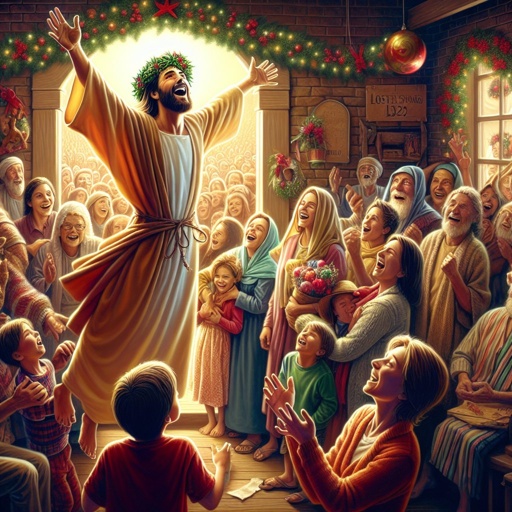
Luke 15:32 - "It was meet that we should make merry, and be glad: for this thy brother was dead, and is alive again; and was lost, and is found."

Luke 2:29-32 - "Lord, now lettest thou thy servant depart in peace, according to thy word: For mine eyes have seen thy salvation, which thou hast prepared before the face of all people; A light to lighten the Gentiles, and the glory of thy people Israel."

Luke 1:32

Luke 1:32

Luke 1:32

Luke 1:32

Luke 1:32

Luke 1:32

1 Kings 11:29-32

Luke 1:32

"It was meet that we should make merry, and be glad: for this thy brother was dead, and is alive again; and was lost, and is found." - Luke 15:32

Luke 17:32 - "Remember Lot's wife."

Luke 17:32-37

Deuteronomy 32:29 - "O that they were wise, that they understood this, that they would consider their latter end!"

luke 1:29

Luke 4:29
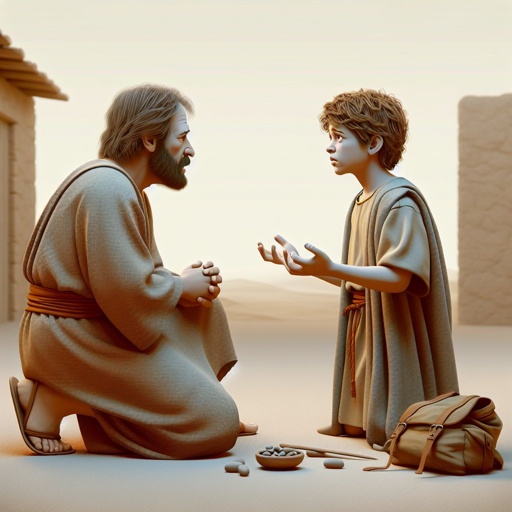
Luke 15:29 - "And he answering said to his father, Lo, these many years do I serve thee, neither transgressed I at any time thy commandment: and yet thou never gavest me a kid, that I might make merry with my friends:"

Luke 20:32 - "Last of all the woman died also."

Luke 5:32 - "I came not to call the righteous, but sinners to repentance."

luke 9:29- 30

Luke 22:31-32 - "Luke 22:31-32: And the Lord said, Simon, Simon, behold, Satan hath desired to have you, that he may sift you as wheat: But I have prayed for thee, that thy faith fail not: and when thou art converted, strengthen thy brethren."

Luke 2:32 - "A light to lighten the Gentiles, and the glory of thy people Israel."

Luke 4:32 - "And they were astonished at his doctrine: for his word was with power."

Exodus 29:32 - "And Aaron and his sons shall eat the flesh of the ram, and the bread that is in the basket, by the door of the tabernacle of the congregation."

Numbers 29:32 - "¶ And on the seventh day seven bullocks, two rams, and fourteen lambs of the first year without blemish:"

"Remember Lot's wife." - Luke 17:32

Luke 23:32 - "And there were also two other, malefactors, led with him to be put to death."