What does Luke 15:4 mean?
“What man of you, having an hundred sheep, if he lose one of them, doth not leave the ninety and nine in the wilderness, and go after that which is lost, until he find it?” — Luke 15:4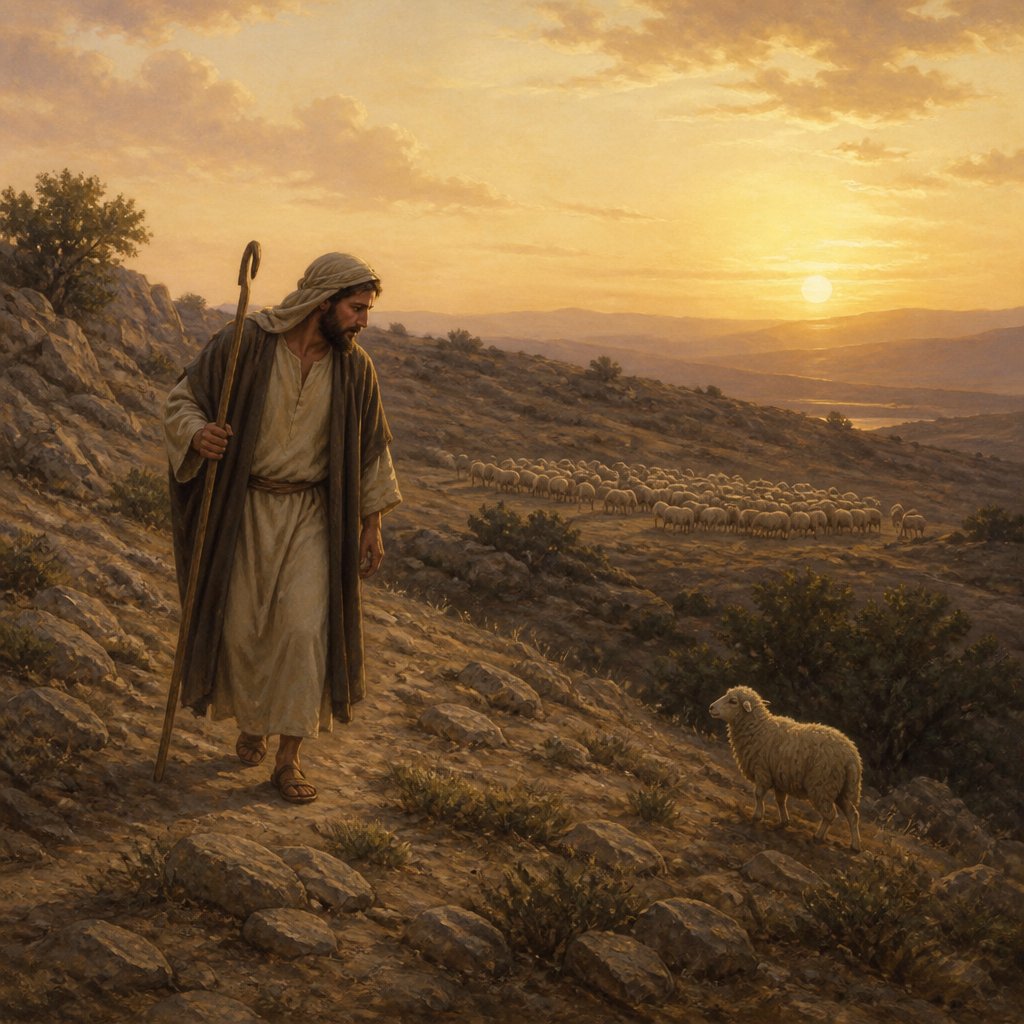
The Bible verse Luke 15:4 in the King James Version (KJV) states: "What man of you, having an hundred sheep, if he lose one of them, doth not leave the ninety and nine in the wilderness, and go after that which is lost, until he find it?" This verse is part of a larger passage known as the Parable of the Lost Sheep, which is found in the Gospel of Luke in the New Testament.
The context of this verse is important for understanding its meaning and significance. In Luke 15, Jesus is addressing a crowd of tax collectors and sinners, as well as the Pharisees and scribes. The Pharisees and scribes were critical of Jesus for associating with sinners, and so, Jesus tells three parables to illustrate the value of repentance and the joy that comes when the lost are found. The parables of the lost sheep, the lost coin, and the prodigal son all convey the message of God's love and mercy for those who repent.
In Luke 15:4, Jesus uses the image of a shepherd and his sheep to convey the idea that God cares deeply for each and every one of His people. The shepherd in the parable represents God, and the lost sheep represents the sinner who has gone astray. The ninety-nine sheep that are left in the wilderness symbolize those who are already in the flock of believers. The shepherd's decision to leave the ninety-nine and go after the lost sheep demonstrates God's relentless pursuit of those who are lost and in need of salvation.
The underlying theme of this verse is the value of every individual to God. Just as a shepherd would not abandon a single sheep, God does not give up on any of His children. This illustrates the depth of God's love and the lengths to which He will go to seek out and save the lost. This parable is a powerful reminder that no one is beyond God's reach, and that He desires for all to come to repentance.
The symbolism in this verse is rich and multi-layered. The sheep can be seen as representative of humanity, with the lost sheep signifying those who have strayed from God. The wilderness symbolizes the spiritual desolation and separation from God that occurs when one is lost in sin. The shepherd represents God's compassion and care, as he goes to great lengths to seek out and rescue the lost sheep.
The imagery of the shepherd leaving the ninety-nine sheep to find the one that is lost also conveys the idea of God's personal and individual concern for each person. This speaks to the inclusivity of God's love and the importance of each individual in His sight. It also underscores the idea that every soul is valuable and worth pursuing, no matter how lost or insignificant they may seem.
The broader message of Luke 15:4 is one of hope, redemption, and restoration. It emphasizes God's willingness to seek out and save those who are lost, and the joy that comes when the lost are found. It also serves as a call to believers to follow the example of the shepherd and actively seek out those who are lost in order to bring them back into the fold of God's love and grace.
In conclusion, Luke 15:4 in the King James Version encapsulates the profound truth of God's relentless pursuit of the lost. It conveys the message of God's love, compassion, and the value of every individual to Him. This verse serves as a powerful reminder of the lengths to which God will go to seek and save the lost, and the rejoicing that occurs when someone is brought back into relationship with Him. It challenges believers to emulate God's love and compassion in seeking out the lost and bringing them into the fold of God's grace.
Get our apps


Artwork for Luke 15:4

Luke 15: 4-7

Luke 15:4 - "What man of you, having an hundred sheep, if he lose one of them, doth not leave the ninety and nine in the wilderness, and go after that which is lost, until he find it?"
"What man of you, having an hundred sheep, if he lose one of them, doth not leave the ninety and nine in the wilderness, and go after that which is lost, until he find it?" - Luke 15:4

Luke 4:15 - "And he taught in their synagogues, being glorified of all."
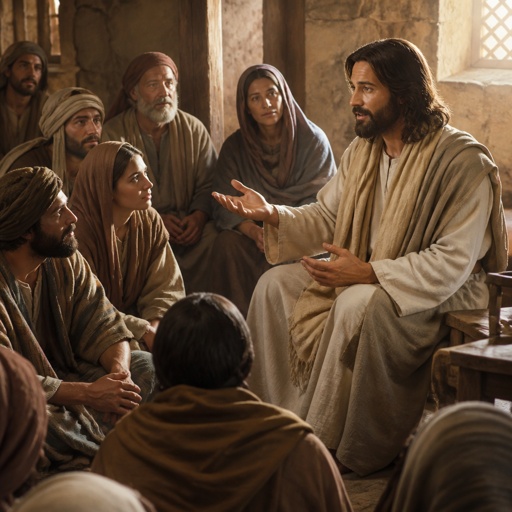
"And he taught in their synagogues, being glorified of all." - Luke 4:15
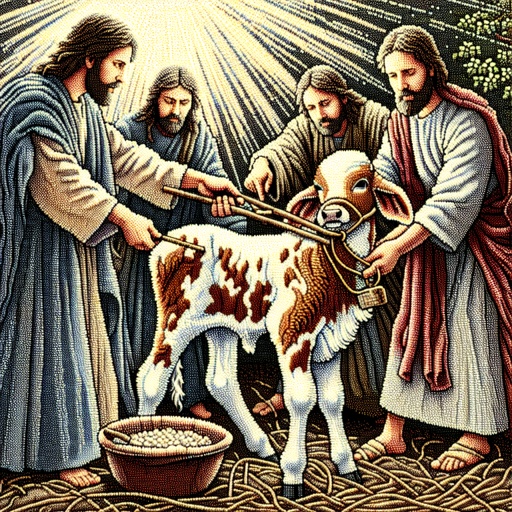
Luke 15:23

Luke 15:10

Luke 15:21

Luke 15:21

Luke 11:14-15

Luke 21:15-19

Luke 15:11-32

Luke 15:15 - "And he went and joined himself to a citizen of that country; and he sent him into his fields to feed swine."

Luke 15:3 - "¶ And he spake this parable unto them, saying,"

Luke 4:29

Luke 4:18

luke 4:16

Luke 4:18

Luke 15:11 - "¶ And he said, A certain man had two sons:"

Luke 9:15 - "And they did so, and made them all sit down."

Luke 6:15 - "Matthew and Thomas, James the son of Alphaeus, and Simon called Zelotes,"

Luke 15:26 - "And he called one of the servants, and asked what these things meant."

Luke 8:4-18

Luke 15:2 - "And the Pharisees and scribes murmured, saying, This man receiveth sinners, and eateth with them."

Luke 15:23 - "And bring hither the fatted calf, and kill it; and let us eat, and be merry:"

Luke 4:19 - "To preach the acceptable year of the Lord."

Luke 4:44 - "And he preached in the synagogues of Galilee."

Luke 15:5 - "And when he hath found it, he layeth it on his shoulders, rejoicing."

Luke 15:1 - "Then drew near unto him all the publicans and sinners for to hear him."

Luke 10:15 - "And thou, Capernaum, which art exalted to heaven, shalt be thrust down to hell."