What does Luke 15:8-9 mean?
"Either what woman having ten pieces of silver, if she lose one piece, doth not light a candle, and sweep the house, and seek diligently till she find [it]? And when she hath found [it], she calleth [her] friends and [her] neighbours together, saying, Rejoice with me; for I have found the piece which I had lost." - Luke 15:8-9
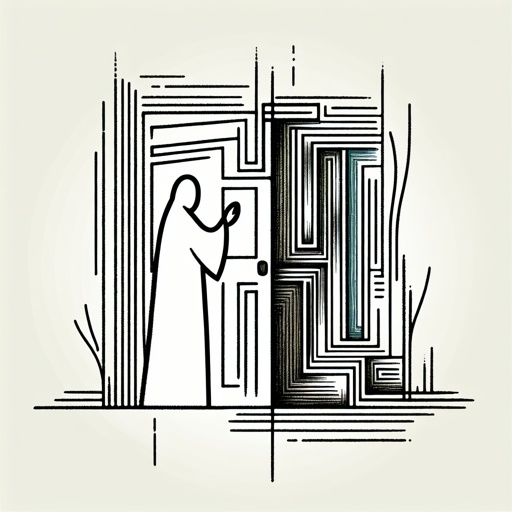
!["Either what woman having ten pieces of silver, if she lose one piece, doth not light a candle, and sweep the house, and seek diligently till she find [it]?
And when she hath found [it], she calleth [her] friends and [her] neighbours together, saying, Rejoice with me; for I have found the piece which I had lost." - Luke 15:8-9](https://media.bible.art/a36c9d22-8199-4f4d-8ff3-b1fc434f8089-compressed.jpg)
Luke 15:8–9 in the KJV says, “Either what woman having ten pieces of silver, if she lose one piece, doth not light a candle, and sweep the house, and seek diligently till she find it? And when she hath found it, she calleth her friends and her neighbours together, saying, Rejoice with me; for I have found the piece which I had lost.” The plain meaning is simple: a woman possesses ten silver pieces, one goes missing, and she does not resign herself to the loss. She acts. She brings light into the darkness, she searches her whole house, she keeps searching “till she find it,” and when the lost piece is recovered she turns her private relief into public joy, inviting others to rejoice with her. Yet Christ speaks this not merely to describe household life, but to reveal the heart of God toward sinners, and to show how heaven regards one soul that is recovered.
The context in Luke 15 is essential. The chapter opens with “publicans and sinners” drawing near to hear Jesus, while “the Pharisees and scribes murmured, saying, This man receiveth sinners, and eateth with them.” The parables that follow answer that murmuring. Jesus does not defend himself with abstract argument; he tells stories that make the complaint look small-minded and make God’s mercy look fitting. The lost sheep, the lost piece of silver, and later the lost son each present the same truth from a different angle: something precious is lost, an earnest seeking or waiting takes place, the lost is recovered, and joy follows. Luke 15:8–9 is the middle parable, and it presses the point that the recovery of the lost is not accidental and not begrudging; it is diligent and celebrated.
The symbolism of the woman and the silver piece works on several levels without needing to depart from the text. The “ten pieces of silver” are a small treasure kept together; one missing piece matters. In the same way, one sinner matters. The parable is aimed at those who thought certain people were not worth receiving. Jesus answers that what they call “sinners” are not disposable. The woman does not say that nine is enough. She counts what she has, feels the lack, and pursues what is missing. The stress on “one” underscores the individual worth of a single lost soul. In a religious climate that could treat people as categories—clean and unclean, righteous and sinner—Christ highlights personal value: one missing piece is reason enough for serious searching.
The setting “in the house” gives the search a certain intimacy. The coin is not lost in a wilderness like the sheep; it is lost within the home. That detail can suggest how close the lost may be to places of safety and yet still be lost. The coin’s loss is real even though it lies somewhere inside the woman’s own dwelling. Likewise, a person can be near the outward forms of religion, near Scripture, near worship, near God’s people, and yet be lost. The parable does not explain how the coin was lost; it simply asserts that it is lost and then shows the seeking love that refuses to let the loss remain.
When the woman “light a candle,” the image speaks of illumination. A coin on an earthen floor or in the dimness of an ancient house would not easily be found. Light must be brought in. In the spiritual meaning of the chapter, God does not leave the lost in darkness; he brings light to the search. The parable’s emphasis is not on the coin finding its way back, but on the seeker’s initiative. The lost piece does not cry out or move; it is found because she seeks. That presents the grace of God as active, not passive. The Pharisees’ complaint assumed that holiness should keep its distance; Jesus reveals that divine mercy goes looking.
She also “sweep the house,” which adds the theme of thoroughness. She does not glance around and quit; she disturbs the dust, she moves what must be moved, she does what is necessary to recover what is valuable. In spiritual terms, the recovery of sinners is not treated as a casual matter. The language “seek diligently till she find it” underlines persistence: the search continues to its intended end. The point is not that God might fail, but that God’s intention to save is purposeful and earnest. The parable presents a love that is not easily discouraged and a value placed on the lost that is not diminished by the inconvenience of finding it.
The climax comes in verse 9: “when she hath found it, she calleth her friends and her neighbours together.” The joy does not remain private. The woman wants others to share her gladness, and she gives the reason plainly: “for I have found the piece which I had lost.” This shared rejoicing anticipates the interpretation that follows in the next verse (Luke 15:10 in the KJV), where Jesus speaks of joy “in the presence of the angels of God” over one sinner that repenteth. Luke 15:8–9 prepares you to see that repentance is not greeted in heaven with cold approval, but with celebration. The recovered coin is not merely restored to a drawer; its recovery becomes an occasion for community joy. In the same way, the restoration of a sinner is not merely a private transaction; it is a triumph of mercy that heaven delights to acknowledge.
Another significance of the parable is how it exposes the failure of the murmurers. The Pharisees and scribes grumbled that Jesus “receiveth sinners.” But in these verses, receiving sinners is pictured as entirely reasonable—more than reasonable, it is natural to love what is lost and to rejoice when it is found. If an ordinary woman will light a candle, sweep, and seek diligently for a coin, then it is fitting for the Son of God to receive sinners and to labor for their recovery. The parable does not excuse sin; it calls the sinner “lost.” But it also refuses contempt. It insists that lostness is a tragedy worth addressing and that finding is a joy worth sharing.
So Luke 15:8–9 teaches, in the simple clothing of a household scene, the value of the individual soul, the active and diligent seeking associated with divine mercy, the bringing in of light where something precious lies hidden, the thoroughness of the search “till” the lost is found, and the public rejoicing that follows restoration. It stands as Christ’s answer to religious resentment and as a window into the heart of God: what is lost is not written off; it is sought, found, and celebrated.
Have questions about Luke 15:8-9?
Dive deeper into this scripture with Bible Chat — an AI-powered tool for exploring God's Word through conversation. Ask questions, get context, and grow in your understanding of the Bible.
Get Our Apps


Luke 15:8-9 Artwork
!["Either what woman having ten pieces of silver, if she lose one piece, doth not light a candle, and sweep the house, and seek diligently till she find [it]?
And when she hath found [it], she calleth [her] friends and [her] neighbours together, saying, Rejoice with me; for I have found the piece which I had lost." - Luke 15:8-9](https://media.bible.art/036deb87-17e2-45ab-8955-20d2a4cd062a-thumbnail.jpg)
"Either what woman having ten pieces of silver, if she lose one piece, doth not light a candle, and sweep the house, and seek diligently till she find [it]? And when she hath found [it], she calleth [her] friends and [her] neighbours together, saying, Rejoice with me; for I have found the piece which I had lost." - Luke 15:8-9
!["Either what woman having ten pieces of silver, if she lose one piece, doth not light a candle, and sweep the house, and seek diligently till she find [it]?
And when she hath found [it], she calleth [her] friends and [her] neighbours together, saying, Rejoice with me; for I have found the piece which I had lost." - Luke 15:8-9](https://media.bible.art/3e598616-1f2a-4bd3-89a6-f354e80d3bf1-thumbnail.jpg)
"Either what woman having ten pieces of silver, if she lose one piece, doth not light a candle, and sweep the house, and seek diligently till she find [it]? And when she hath found [it], she calleth [her] friends and [her] neighbours together, saying, Rejoice with me; for I have found the piece which I had lost." - Luke 15:8-9

Luke 9:15 - "And they did so, and made them all sit down."

Judges 9:8-15

Luke 8:9 - "And his disciples asked him, saying, What might this parable be?"

Luke 9:8 - "And of some, that Elias had appeared; and of others, that one of the old prophets was risen again."

Luke 8:15 - "But that on the good ground are they, which in an honest and good heart, having heard the word, keep it, and bring forth fruit with patience."

"And they did so, and made them all sit down." - Luke 9:15

Luke 15:8 - "¶ Either what woman having ten pieces of silver, if she lose one piece, doth not light a candle, and sweep the house, and seek diligently till she find it?"

"And his disciples asked him, saying, What might this parable be?" - Luke 8:9

Luke 15:9 - "And when she hath found it, she calleth her friends and her neighbours together, saying, Rejoice with me; for I have found the piece which I had lost."

Luke 10:8-9 - "When you enter a town and are welcomed, eat what is offered to you. Heal the sick who are there and tell them, 'The kingdom of God has come near to you.'"

Luke 2:8-9 - "And there were shepherds living out in the fields nearby, keeping watch over their flocks at night. An angel of the Lord appeared to them, and the glory of the Lord shone around them, and they were terrified."

"And of some, that Elias had appeared; and of others, that one of the old prophets was risen again." - Luke 9:8

Acts 15:8-9 - "And God, who knows the heart, bore witness to them, by giving them the Holy Spirit just as he did to us, and he made no distinction between us and them, having cleansed their hearts by faith."

Luke 8:5-8

Luke 15:23

Luke 15:10

Luke 15:21

Luke 15:21

"But that on the good ground are they, which in an honest and good heart, having heard the word, keep it, and bring forth fruit with patience." - Luke 8:15
Luke 11:9

luke 9:30

luke 9:35

luke 9:35

Luke 15: 4-7

Luke 11:14-15

Luke 21:15-19

Luke 9:51

Luke 11:9