What does Luke 16:10 mean?
“He that is faithful in that which is least is faithful also in much: and he that is unjust in the least is unjust also in much.” — Luke 16:10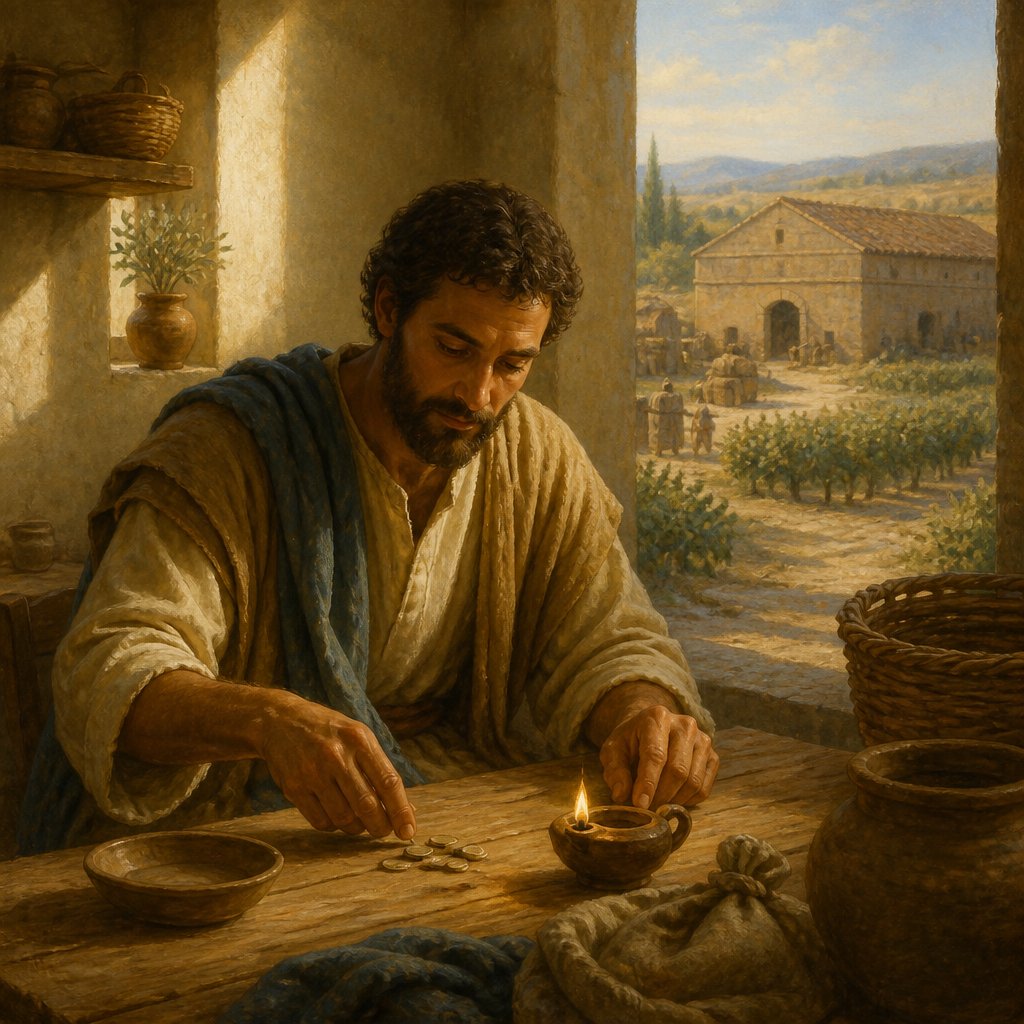
The Bible verse Luke 16:10 from the King James Version (KJV) states: "He that is faithful in that which is least is faithful also in much: and he that is unjust in the least is unjust also in much." This verse, spoken by Jesus in the Gospel of Luke, contains important teachings about faithfulness, integrity, and stewardship.
In this verse, Jesus is addressing the idea that our actions and attitudes towards small, seemingly insignificant things reveal our true character. It emphasizes the importance of being faithful and just in every aspect of our lives, no matter how small or seemingly unimportant. This verse also teaches that our faithful and just stewardship of small things prepares us for greater responsibilities in the future.
The theme of faithfulness is central to this verse. Being faithful means being reliable, trustworthy, and consistent in our actions. It involves living in a way that aligns with our values and beliefs, even in the smallest details of our lives. The verse suggests that our faithfulness in small, everyday matters is a reflection of our faithfulness in larger, more significant areas of life. It reminds us that our character is revealed through the little things we do on a daily basis.
The idea of stewardship is also an important theme in this verse. Stewardship refers to the responsible management and care of resources that have been entrusted to us. It can encompass our time, talents, finances, relationships, and the earth itself. The verse teaches that our faithful and just stewardship of small things prepares us for greater responsibilities. It encourages us to be good stewards of all that we have been given, regardless of how small or insignificant it may seem.
The context of this verse is important for understanding its meaning. In the preceding verses, Jesus tells the parable of the unjust steward, who squanders his master's possessions and is then commended for his shrewdness in dealing with his master's debtors. Jesus uses this parable to illustrate the importance of being wise and faithful in the use of material possessions. He then follows it with the statement in Luke 16:10, emphasizing the broader principle of faithfulness and stewardship in all areas of life.
There is also a deeper spiritual symbolism in this verse. In the broader context of the Bible, faithfulness is a characteristic of God himself. The Bible teaches that God is faithful and just in all his ways, and he calls his people to reflect these characteristics in their own lives. This verse serves as a reminder of the importance of emulating God's faithfulness and justice in every aspect of our lives.
In conclusion, Luke 16:10 from the King James Version of the Bible contains rich and profound teachings about faithfulness, integrity, and stewardship. It emphasizes the importance of being faithful and just in the small things, as a reflection of our character and as preparation for greater responsibilities. This verse encourages us to be good stewards of all that has been entrusted to us and to reflect the faithfulness and justice of God in our own lives. It serves as a powerful reminder of the values and attitudes that should guide our daily actions and decisions.
Get our apps


Artwork for Luke 16:10

Luke 16:10 - "He that is faithful in that which is least is faithful also in much: and he that is unjust in the least is unjust also in much."
"He that is faithful in that which is least is faithful also in much: and he that is unjust in the least is unjust also in much." - Luke 16:10

Luke 10:16 - "He that heareth you heareth me; and he that despiseth you despiseth me; and he that despiseth me despiseth him that sent me."

Luke 10:5

Luke 8:16

luke 4:16

Luke 10:5

Luke 10:5

Luke 10:18-19

Luke 10:18-19

Luke 10:18-19

Luke 10:17-19

Luke 10:18-19

Luke 10:18-19

Luke 10:18-19

Luke 10:17-19

Luke 16:1-13

Luke 16:1-1313

Luke 16:22-26

Luke 16:1-13

Luke 16:1-13

Luke 2:16 - 21

Luke 19:10

Luke 2:10

Luke 10:27

Luke 15:10

Luke 17:10

Luke 12:10

Luke 16:16 - "The law and the prophets were until John: since that time the kingdom of God is preached, and every man presseth into it."

Luke 5:16 - "¶ And he withdrew himself into the wilderness, and prayed."