What does Luke 16:14 mean?
“And the Pharisees also, who were covetous, heard all these things: and they derided him.” — Luke 16:14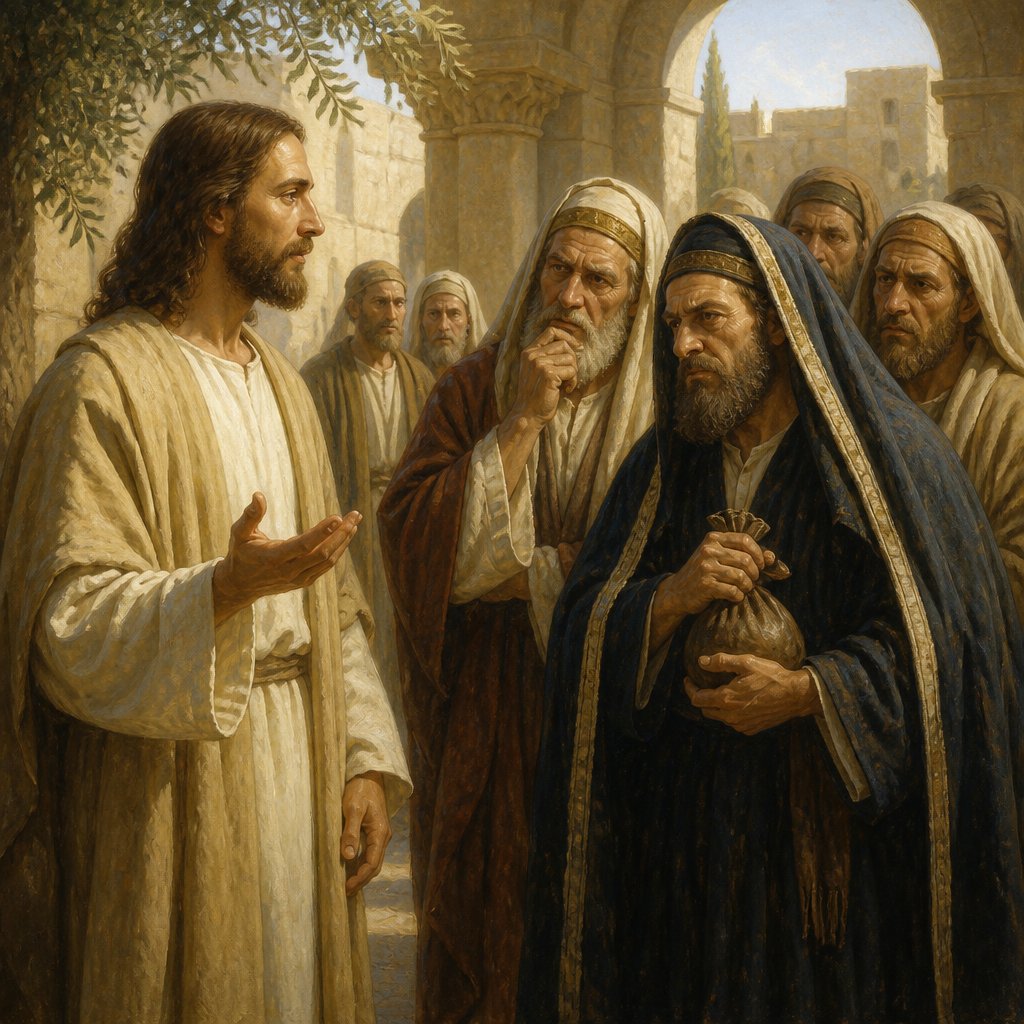
In Luke 16:14, the King James Version (KJV) of the Bible reads, "And the Pharisees also, who were covetous, heard all these things: and they derided him." To understand the full meaning and significance of this verse, it is important to delve into the historical and literary context of the book of Luke, as well as the themes and symbolism present in this specific passage.
The book of Luke is one of the four Gospels in the New Testament, and it is attributed to the authorship of Luke, a companion of the apostle Paul. The purpose of the book of Luke is to provide an orderly account of the life, ministry, death, and resurrection of Jesus Christ. In doing so, Luke also presents the teachings of Jesus and highlights certain aspects of his character and mission. Throughout the book, the author addresses various themes, including the kingdom of God, salvation, faith, and ethics.
In Luke 16:14, Jesus is addressing the Pharisees, who were a prominent religious group in first-century Judaism. The Pharisees were known for their strict adherence to the Jewish law and their emphasis on moral and ritual purity. However, they were also often criticized for their hypocrisy and self-righteous attitudes. In this particular verse, Jesus accuses the Pharisees of being covetous, which means having an extreme desire for wealth and material possessions. This accusation is significant in the context of the larger passage in which Jesus is addressing the parable of the dishonest manager and emphasizing the importance of using wealth wisely and for the kingdom of God.
The verse also mentions that the Pharisees "derided" Jesus, indicating that they not only rejected his teachings but also scorned and ridiculed him. This highlights the ongoing conflict between Jesus and the religious authorities of his time, as well as the resistance he faced in challenging the status quo and traditional beliefs.
The themes present in Luke 16:14 are consistent with the broader message of the book of Luke. Throughout the Gospel, Jesus frequently challenges the values and priorities of the religious leaders and urges his followers to embody humility, compassion, and generosity. The emphasis on wealth and the proper use of resources is a recurring theme in the teachings of Jesus, as seen in other passages such as the story of the rich young ruler and the widow's offering.
Symbolism in this verse can be found in the contrast between the Pharisees' covetousness and Jesus' teachings on spiritual wealth and righteousness. The Pharisees represent the religious elite who prioritize worldly success and wealth, while Jesus embodies the values of the kingdom of God, which emphasize justice, mercy, and love. By highlighting the Pharisees' hypocrisy and materialism, Jesus challenges his audience to reevaluate their own attitudes and behaviors regarding wealth and status.
In conclusion, Luke 16:14 is a pivotal verse in the Gospel of Luke as it reflects the ongoing conflict between Jesus and the religious authorities of his time. The verse also underscores the larger themes of wealth, righteousness, and the kingdom of God that are central to Jesus' teachings. By accusing the Pharisees of being covetous and deriding him, Jesus exposes the moral and spiritual bankruptcy of those who prioritize material wealth over the values of the kingdom of God. This passage serves as a reminder for believers to examine their own hearts and priorities, and to align them with the principles of faith, compassion, and justice.
Get our apps


Artwork for Luke 16:14

Luke 16:14 - "And the Pharisees also, who were covetous, heard all these things: and they derided him."
"And the Pharisees also, who were covetous, heard all these things: and they derided him." - Luke 16:14

Luke 14:16 - "Then said he unto him, A certain man made a great supper, and bade many:"

Luke 14:16 Then He said to him, “A certain man gave a great supper and invited many,
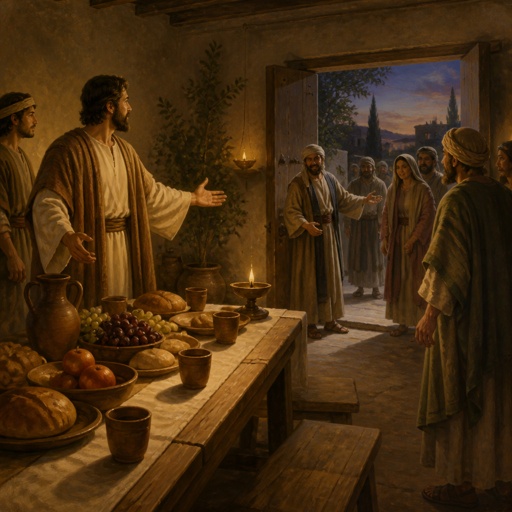
"Then said he unto him, A certain man made a great supper, and bade many:" - Luke 14:16

Luke 8:16

luke 4:16

Luke 16:1-13

Luke 16:1-1313

Luke 16:22-26

Luke 16:1-13

Luke 16:1-13

Luke 2:16 - 21

Luke 14:14 - "And thou shalt be blessed; for they cannot recompense thee: for thou shalt be recompensed at the resurrection of the just."

Luke 11:14-15

Luke 18:9-14

Luke 11:1-14

Luke 14:25 - 33

Luke 11:1-14

Luke 2:13-14

Luke 18: 9-14

Luke 2:13-14

Luke 16:16 - "The law and the prophets were until John: since that time the kingdom of God is preached, and every man presseth into it."

Luke 5:16 - "¶ And he withdrew himself into the wilderness, and prayed."

Genesis 16:14

John 14:16

Luke 14:6 - "And they could not answer him again to these things."

Luke 24:16 - "But their eyes were holden that they should not know him."

Luke 23:16 - "I will therefore chastise him, and release him."

Colossians 4:14 - "Luke, the beloved physician, and Demas, greet you."