What does Luke 17:12-14 mean?
“And as he entered into a certain village, there met him ten men that were lepers, which stood afar off: And they lifted up their voices, and said, Jesus, Master, have mercy on us. And when he saw them, he said unto them, Go shew yourselves unto the priests. And it came to pass, that, as they went, they were cleansed.” — Luke 17:12-14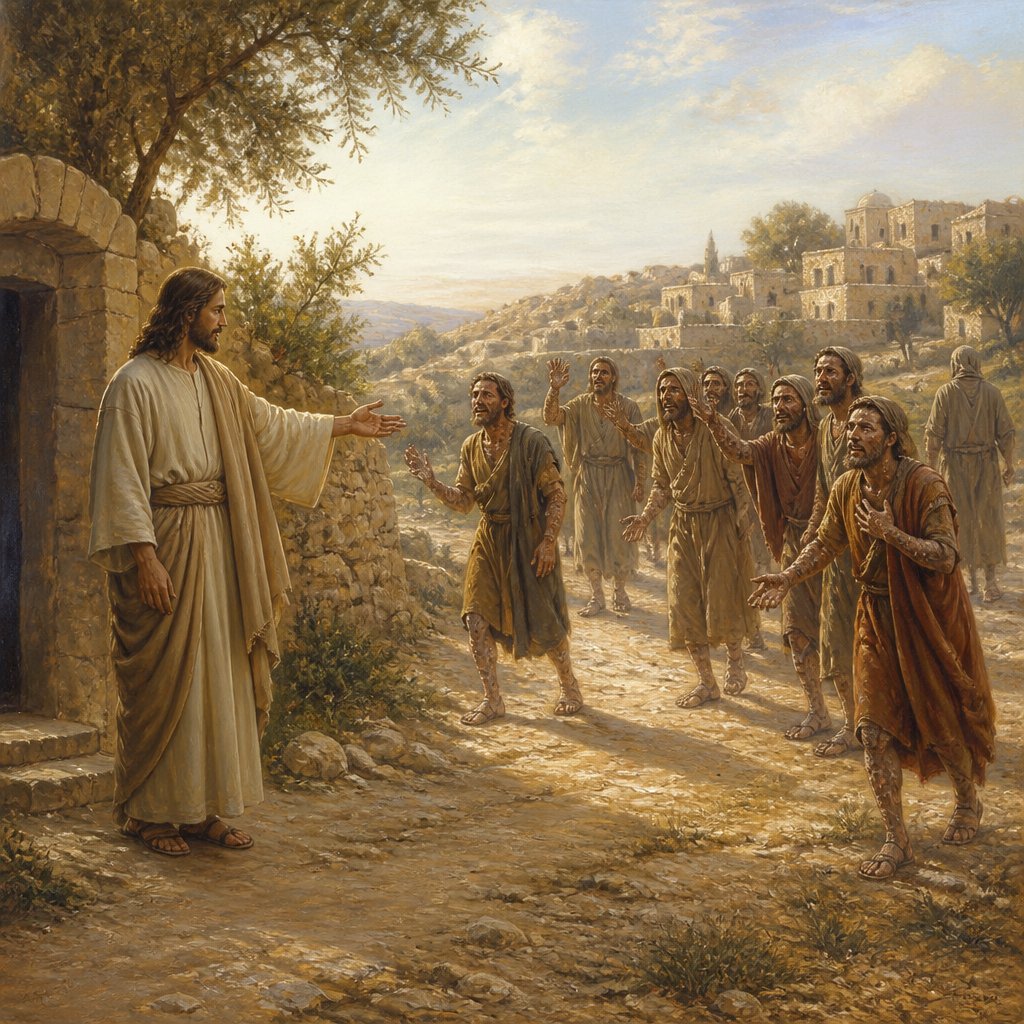
Luke 17:12-14 in the King James Version of the Bible reads:
"And as he entered into a certain village, there met him ten men that were lepers, which stood afar off: And they lifted up their voices, and said, Jesus, Master, have mercy on us. And when he saw them, he said unto them, Go shew yourselves unto the priests. And it came to pass, that, as they went, they were cleansed."
This passage from the Gospel of Luke presents a powerful narrative of Jesus encountering ten lepers on the outskirts of a village. The story unfolds with a significant focus on themes of faith, gratitude, and the transformative power of Christ's healing.
The context of this passage is crucial for understanding its significance. In biblical times, leprosy was a dreaded and highly contagious disease that carried significant social stigma. People afflicted with leprosy were often outcasts, forced to live outside of villages and generally considered untouchable. The disease was also incurable, making it a symbol of hopelessness and despair.
The ten lepers in this passage symbolize those who are marginalized, oppressed, and disenfranchised in society. They stand afar off, signifying their social isolation and the physical distance required by the law for lepers to observe in their interactions with others. Despite their suffering and the societal rejection they faced, the lepers showed great faith and humility by calling out to Jesus for mercy. They recognized Jesus as their Master and sought His intervention in their desperate situation.
The response of Jesus to the lepers is remarkable. Instead of directly healing them or performing a miracle on the spot, Jesus instructs them to go and show themselves to the priests. This command is significant in the context of Mosaic law, as only the priests had the authority to declare a person clean from leprosy and reintegrate them into society. By obeying Jesus' command, the lepers demonstrated their faith and trust in His words, even before witnessing any visible change in their condition.
The faith of the lepers is ultimately rewarded, as they are cleansed on their way to the priests. The miraculous healing stands as a testament to the power and authority of Jesus, affirming His role as the compassionate healer who transcends social barriers and brings restoration to the afflicted.
Symbolically, the healing of the lepers can be interpreted as a metaphor for the spiritual healing and redemption offered by Jesus to all who are marginalized, oppressed, and burdened by sin. The lepers' physical cleansing parallels the spiritual transformation and liberation experienced by those who come to Jesus in faith.
Furthermore, the passage underscores the theme of gratitude through the behavior of the lepers. Out of the ten who were healed, only one, a Samaritan, returned to express gratitude to Jesus. This detail highlights the importance of thankfulness and the recognition of God's grace in our lives. Jesus acknowledges the Samaritan's display of gratitude and emphasizes the significance of his faith, stating, "Arise, go thy way: thy faith hath made thee whole" (Luke 17:19, KJV).
In conclusion, Luke 17:12-14 offers a profound narrative of faith, healing, and gratitude. The story of the ten lepers serves as a timeless reminder of Jesus' compassion, the transformative power of faith, and the importance of expressing gratitude for God's blessings. The passage continues to resonate with readers, inspiring them to seek Jesus' mercy, have unwavering faith, and cultivate a heart of thanksgiving.
Get our apps


Artwork for Luke 17:12-14

Luke 17:12-14 - "As he was going into a village, ten men who had leprosy met him. They stood at a distance and called out in a loud voice, "Jesus, Master, have pity on us!" When he saw them, he said, "Go, show yourselves to the priests." And as they went, they were cleansed."
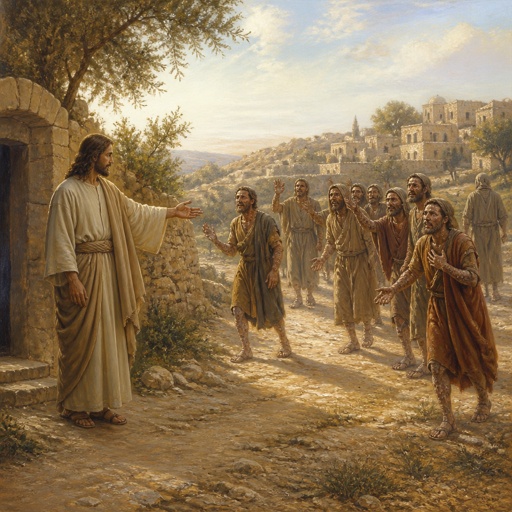
"As he was going into a village, ten men who had leprosy met him. They stood at a distance and called out in a loud voice, "Jesus, Master, have pity on us!" When he saw them, he said, "Go, show yourselves to the priests." And as they went, they were cleansed." - Luke 17:12-14

Luke 12:14 - "And he said unto him, Man, who made me a judge or a divider over you?"

Luke 14:17 - "And sent his servant at supper time to say to them that were bidden, Come; for all things are now ready."
Luke 17:12 - "And as he entered into a certain village, there met him ten men that were lepers, which stood afar off:"

Luke 12:17 - "And he thought within himself, saying, What shall I do, because I have no room where to bestow my fruits?"

Luke 17:14 - "And when he saw them, he said unto them, Go shew yourselves unto the priests. And it came to pass, that, as they went, they were cleansed."
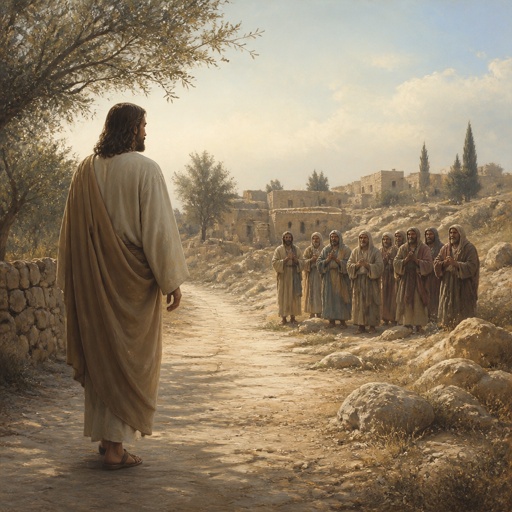
"And as he entered into a certain village, there met him ten men that were lepers, which stood afar off:" - Luke 17:12
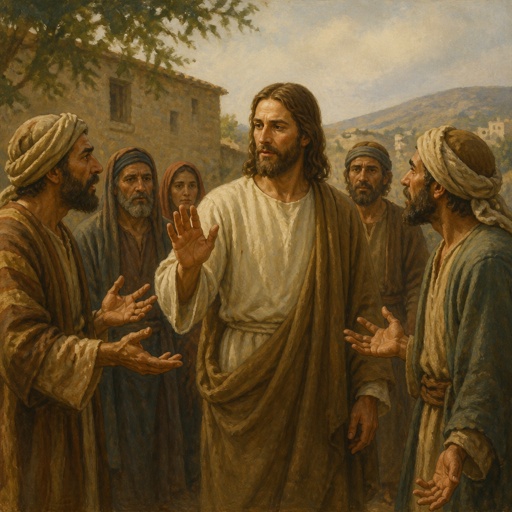
"And he said unto him, Man, who made me a judge or a divider over you?" - Luke 12:14

Luke 10:17-19

Luke 10:17-19

Luke 17:17 - "And Jesus answering said, Were there not ten cleansed? but where are the nine?"
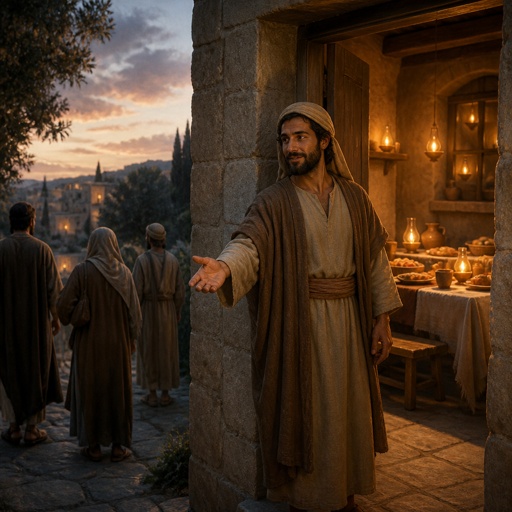
"And sent his servant at supper time to say to them that were bidden, Come; for all things are now ready." - Luke 14:17

Luke 17:10

Luke 8:17

luke 24:17

Luke 17:32-37

Luke 17:32 - "Remember Lot's wife."

Luke 14:12 - "¶ Then said he also to him that bade him, When thou makest a dinner or a supper, call not thy friends, nor thy brethren, neither thy kinsmen, nor thy rich neighbours; lest they also bid thee again, and a recompence be made thee."

Luke 5:17-26

Luke 12:25

Luke 12:25

Luke 12: 49

Luke 12:34

Luke 12:10

Luke 12:50

Luke 14:14 - "And thou shalt be blessed; for they cannot recompense thee: for thou shalt be recompensed at the resurrection of the just."

Revelation 17:14

Revelation 17:14

Acts 14:17