What does Luke 17:7-10 mean?
"And which of you, having a servant plowing or feeding cattle, will say unto him by and by, when he is come from the field, Go and sit down to meat? And will not rather say unto him, Make ready wherewith I may sup, and gird thyself, and serve me, till I have eaten and drunken; and afterward thou shalt eat and drink? Doth he thank that servant because he did the things that were commanded him? I trow not. So likewise ye, when ye shall have done all those things which are commanded you, say, We are unprofitable servants: we have done that which was our duty to do." - Luke 17:7-10
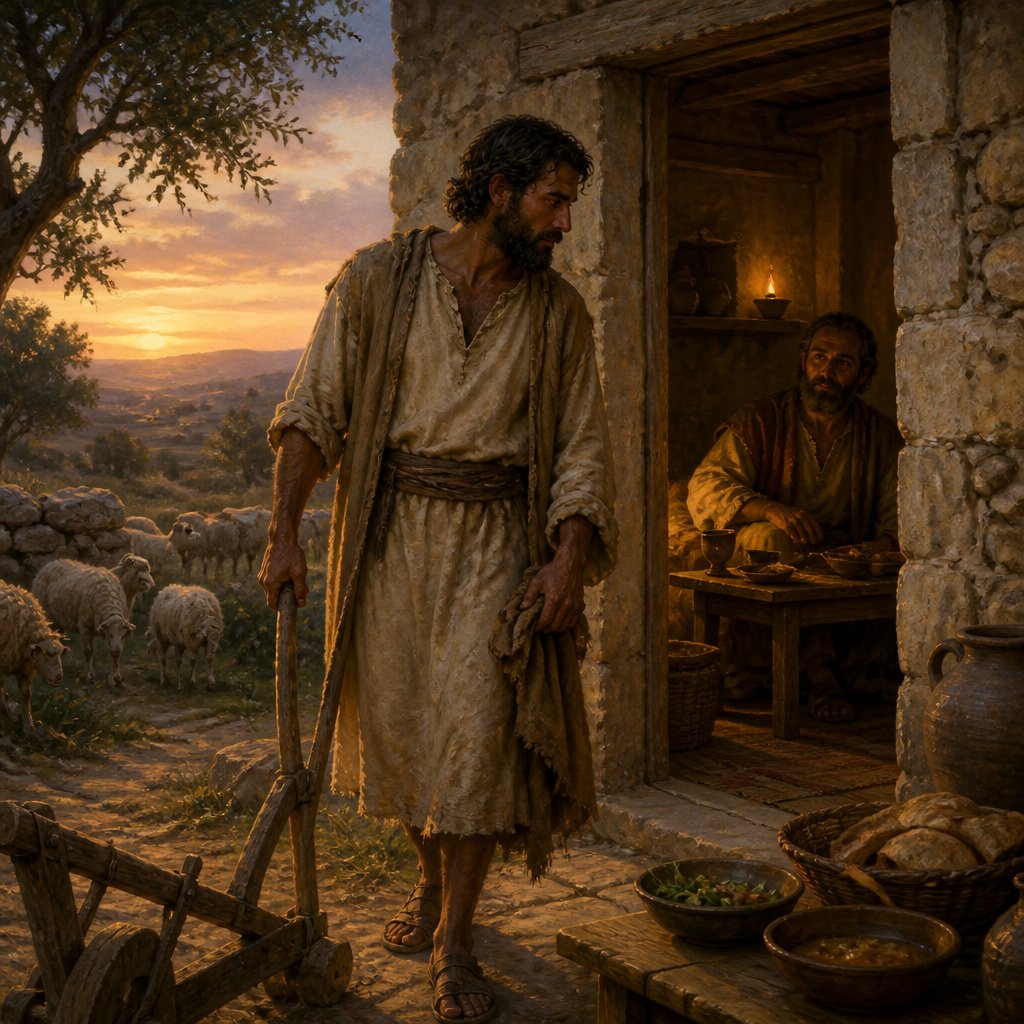
Luke 17:7-10 in the King James Version (KJV) of the Bible reads: "But which of you, having a servant plowing or feeding cattle, will say unto him by and by, when he is come from the field, Go and sit down to meat? And will not rather say unto him, Make ready wherewith I may sup, and gird thyself, and serve me, till I have eaten and drunken; and afterward thou shalt eat and drink? Doth he thank that servant because he did the things that were commanded him? I trow not. So likewise ye, when ye shall have done all those things which are commanded you, say, We are unprofitable servants: we have done that which was our duty to do."
This verse comes from the book of Luke, one of the four Gospels in the New Testament. The context of this passage is a conversation between Jesus and his disciples, and it is part of a larger teaching on faith and obedience. In these verses, Jesus uses the example of a servant to illustrate the concept of obedience and humility in following God's commands.
The passage begins with a question posed by Jesus, asking his disciples to consider the behavior of a master towards his servant. He asks them to imagine a scenario where a servant has been working in the field all day, and when he returns home, instead of being allowed to rest and eat, he is expected to serve his master first. Jesus implies that this behavior would be considered normal and expected in that culture, as the servant's duty was to serve his master's needs before attending to his own.
The next few verses continue the analogy, as Jesus asks whether the master would thank the servant for doing his duty. Jesus answers his own question, implying that the servant should not expect thanks for simply fulfilling his responsibilities. This serves as a metaphor for the disciples' relationship with God, suggesting that they should not expect special recognition or reward for obeying God's commands.
The passage concludes with Jesus drawing a parallel between the servant in the story and his disciples. He tells them that when they have obeyed all that has been commanded of them, they should not boast or expect praise, but rather acknowledge themselves as "unprofitable servants" who have merely done their duty.
This passage teaches several important lessons about faith, obedience, and humility. One of the primary themes is the idea of unmerited favor and the nature of obedience to God. Jesus emphasizes that obedience to God should not be conditional on receiving recognition or reward, but should stem from a humble and grateful heart.
The passage also addresses the nature of servanthood and the call to serve others. While the disciples may have been eager to be seen as valuable and worthy in God's eyes, Jesus reminds them that true service involves selflessness and humility. The disciples are encouraged to see themselves as servants of God, whose primary concern should be fulfilling their duties and serving others, rather than seeking personal validation or praise.
Furthermore, this passage highlights the importance of having a proper perspective on one's relationship with God. Jesus calls his disciples to remember that they are merely unworthy servants who have been graciously given the opportunity to serve God. This call to humility and selfless service is a recurring theme in Jesus's teachings throughout the Gospels.
Symbolically, the servant in this passage represents the Christian's role as a servant of God. By using this analogy, Jesus emphasizes the importance of selfless obedience and humility in the Christian walk. The passage also serves as a reminder of the foundational principles of the Christian faith, encouraging believers to live a life of service and obedience to God without expecting recognition or reward.
In conclusion, Luke 17:7-10 from the King James Version (KJV) of the Bible offers a powerful lesson on the nature of faith, obedience, and humility. Through the analogy of the servant, Jesus teaches his disciples about the importance of selfless service, humble obedience, and a proper perspective on their relationship with God. This passage continues to be a source of encouragement and challenge for believers, reminding them to live a life of faithful and humble service to God and others.
Have questions about Luke 17:7-10?
Dive deeper into this scripture with Bible Chat — an AI-powered tool for exploring God's Word through conversation. Ask questions, get context, and grow in your understanding of the Bible.
Get Our Apps


Luke 17:7-10 Artwork

Luke 17:7-10 - "“Suppose one of you has a servant plowing or looking after the sheep. Will he say to the servant when he comes in from the field, ‘Come along now and sit down to eat’? Won’t he rather say, ‘Prepare my supper, get yourself ready and wait on me while I eat and drink; after that you may eat and drink’? Will he thank the servant because he did what he was told to do? So you also, when you have done everything you were told to do, should say, ‘We are unworthy servants; we have only done our duty.’”"
"“Suppose one of you has a servant plowing or looking after the sheep. Will he say to the servant when he comes in from the field, ‘Come along now and sit down to eat’? Won’t he rather say, ‘Prepare my supper, get yourself ready and wait on me while I eat and drink; after that you may eat and drink’? Will he thank the servant because he did what he was told to do? So you also, when you have done everything you were told to do, should say, ‘We are unworthy servants; we have only done our duty.’”" - Luke 17:7-10

Luke 10:17-19

Luke 10:17-19

Luke 17:10

Luke 7:17 - "And this rumour of him went forth throughout all Judaea, and throughout all the region round about."

Luke 7:10 - "And they that were sent, returning to the house, found the servant whole that had been sick."

Luke 10:17 - "¶ And the seventy returned again with joy, saying, Lord, even the devils are subject unto us through thy name."

Luke 10:7 - "And in the same house remain, eating and drinking such things as they give: for the labourer is worthy of his hire. Go not from house to house."

Luke 17:7 - "But which of you, having a servant plowing or feeding cattle, will say unto him by and by, when he is come from the field, Go and sit down to meat?"

Luke 17:10 - "So likewise ye, when ye shall have done all those things which are commanded you, say, We are unprofitable servants: we have done that which was our duty to do."

"And they that were sent, returning to the house, found the servant whole that had been sick." - Luke 7:10

"And this rumour of him went forth throughout all Judaea, and throughout all the region round about." - Luke 7:17

Luke 17:17 - "And Jesus answering said, Were there not ten cleansed? but where are the nine?"

Luke 8:17

luke 24:17

"¶ And the seventy returned again with joy, saying, Lord, even the devils are subject unto us through thy name." - Luke 10:17

Luke 10:5

Luke 10:5

Luke 10:5

Luke 17:32-37

Luke 17:32 - "Remember Lot's wife."

Luke 5:17-26

Luke 10:18-19

Luke 10:18-19

Luke 10:18-19

Luke 10:18-19

Luke 10:18-19

Luke 10:18-19

Romans 10:17