What does Luke 18:27 mean?
"And he said, The things which are impossible with men are possible with God." - Luke 18:27
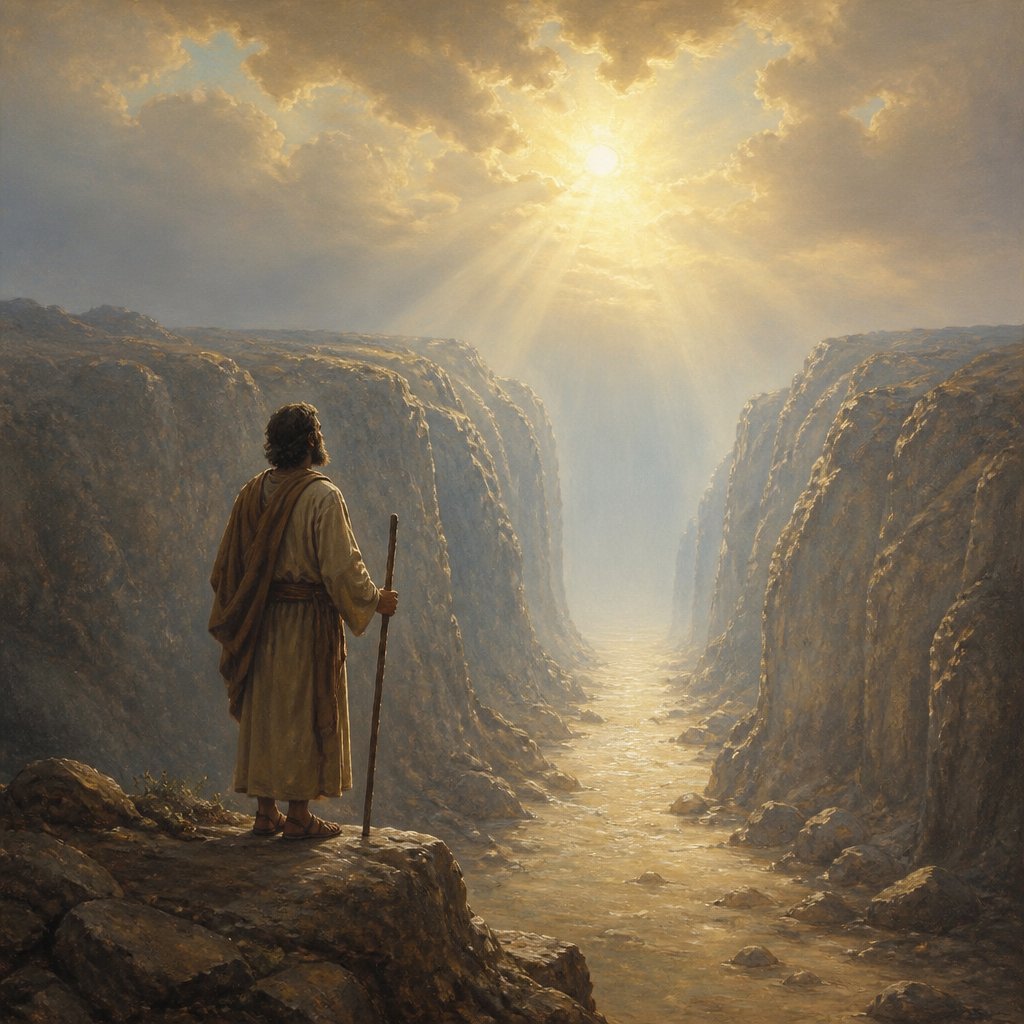
"And he said, The things which are impossible with men are possible with God" (Luke 18:27, KJV).
This verse from the Gospel of Luke is spoken by Jesus in response to the disciples' amazement at his teachings on wealth and the kingdom of God. The broader context of Luke chapter 18 is a series of teachings and parables given by Jesus, addressing topics such as humility, faithful prayer, and salvation. In this particular verse, Jesus is reminding his followers of the power and sovereignty of God, highlighting the contrast between human limitations and divine possibilities.
The theme of the verse is the omnipotence of God and the limitations of humanity. Jesus' statement challenges the disciples, and by extension all believers, to trust in God's ability to accomplish what seems impossible to human understanding. This theme resonates with the Christian belief in the efficacy of faith and the reliance on divine intervention in times of need. It is a powerful reminder that God's ability to act transcends the boundaries of human capability, and that nothing is beyond his reach.
The immediate context of the verse provides further insight into its meaning. In the preceding verses, Jesus has just finished speaking about the difficulty of a rich man entering the kingdom of God, using the metaphor of a camel passing through the eye of a needle. The disciples, perplexed by this teaching, question who then can be saved. Jesus responds by affirming the inherent inability of humans to achieve salvation on their own, but points to the redemptive power of God as the means by which salvation is made possible. This exchange serves to contrast the limitations of human effort with the boundless capacity of God to bring about salvation.
The symbolism in this verse lies in the contrast between the impossible and the possible. The image of a camel passing through the eye of a needle is used by Jesus to illustrate the seemingly insurmountable obstacles that stand in the way of human salvation. This powerful metaphor underscores the idea that what is impossible for humans to achieve on their own is entirely possible with God. The symbolism of the camel and the needle's eye serves to emphasize the magnitude of God's power and the incomprehensibility of his ways.
The broader theological context of this verse aligns with the central message of the Gospel of Luke, emphasizing the redemptive work of God through Jesus Christ. Throughout the Gospel, Jesus consistently challenges conventional wisdom and societal norms, pointing to the radical transformation that comes through faith in God. This verse encapsulates this larger theological theme, highlighting the role of divine intervention in overcoming the limitations of human capability.
In conclusion, Luke 18:27 carries a profound and timeless message about the all-encompassing power of God. It serves as a reassurance to believers that nothing is beyond the reach of God's ability to bring about transformation and redemption. The verse challenges our limited understanding and calls us to place our trust in the limitless possibilities of God. In doing so, it offers hope and encouragement to all who are confronted with seemingly insurmountable challenges, reminding us that with God, all things are possible.
Have questions about Luke 18:27?
Dive deeper into this scripture with Bible Chat — an AI-powered tool for exploring God's Word through conversation. Ask questions, get context, and grow in your understanding of the Bible.
Get Our Apps


Luke 18:27 Artwork

Luke 18:27 - "And he said, The things which are impossible with men are possible with God."

"And he said, The things which are impossible with men are possible with God." - Luke 18:27

luke 1:27

luke 6: 27

Luke 10:27

Luke 6: 27-38

Luke 6:27-38

Luke 13:28-27

Luke 13:28-27

Luke 13:28-27

Genesis 18-27

Luke 10:18-19

Luke 13:18-19

Luke 10:18-19

Luke 10:18-19

Luke 13:18-19

Genesis 27:18-19

Luke 10:18-19

Luke 10:18-19

Luke 10:18-19

Joshua 18:27 - "And Rekem, and Irpeel, and Taralah,"

Luke 4:18

Luke 4:18

John 18:27 - "Peter then denied again: and immediately the cock crew."

Matthew 27:18 - "For he knew that for envy they had delivered him."

Luke 18: 9-14

Luke 8:4-18

Luke 21:27 - "And then shall they see the Son of man coming in a cloud with power and great glory."

Luke 10:18-19

Luke 18:9-14