What does Luke 19:22 mean?
“And he saith unto him, Out of thine own mouth will I judge thee, thou wicked servant. Thou knewest that I was an austere man, taking up that I laid not down, and reaping that I did not sow:” — Luke 19:22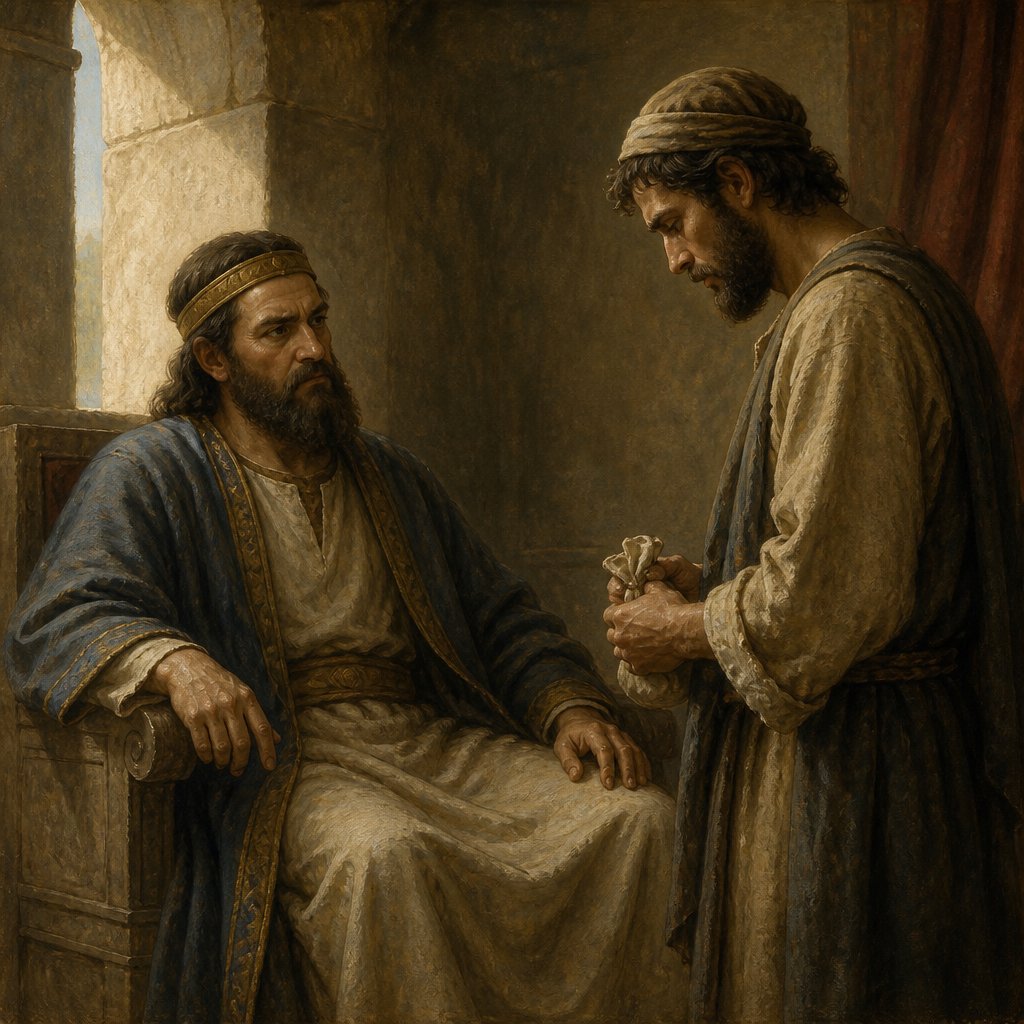
The Bible verse Luke 19:22 in the King James Version (KJV) states, "And he saith unto him, Out of thine own mouth will I judge thee, thou wicked servant. Thou knewest that I was an austere man, taking up that I laid not down, and reaping that I did not sow." This verse is part of the parable of the minas, where Jesus tells a story about a nobleman who went to a far country to receive a kingdom and then returned. In the parable, the nobleman entrusted his servants with minas, a form of currency, and expected them to use the resources wisely while he was away. This verse is part of the nobleman's response to one of the servant's actions.
The themes present in this verse include judgment, accountability, and stewardship. Jesus uses this parable to teach his disciples and the people listening about the importance of using one's resources wisely and being accountable for their actions. The nobleman in the parable represents Jesus, and the servants represent his followers. As Christians, we are called to be good stewards of the resources and gifts that God has given us, and we will be held accountable for how we use them.
The context of this verse is important in understanding its meaning. In the preceding verses, Jesus tells the parable of the minas to the people because they thought that the kingdom of God was going to appear immediately. However, Jesus wanted to correct their understanding and teach them about the responsibility and accountability that comes with being a follower of Christ. The nobleman's response in this verse reflects the expectation that God has for his people to use their resources wisely and faithfully while waiting for his return.
The symbolism in this verse is significant in conveying its message. The nobleman's description of himself as an austere man represents God's character as just and demanding. It also symbolizes the reality that God expects his people to work diligently and faithfully with the resources and opportunities he has given them. The servant's acknowledgement of the nobleman's expectations and his failure to meet them symbolize the importance of recognizing God's expectations and living in obedience to his will.
The verse also speaks to the concept of divine judgment. The nobleman's response to the servant's actions reflects the idea that God will judge his people based on their faithfulness and obedience. The phrase "Out of thine own mouth will I judge thee" illustrates the truth that our own words and actions will be used to judge us. This serves as a warning to Christians to be mindful of their words and deeds, as they will have eternal implications.
In conclusion, Luke 19:22 in the King James Version is a powerful verse that communicates important themes of judgment, accountability, and stewardship. Its context within the parable of the minas and the symbolism present in the nobleman's response provide valuable insights for believers. This verse serves as a reminder for Christians to be faithful and diligent in their stewardship of God's resources and to live in obedience to his will, knowing that they will be held accountable for their actions.
Get our apps


Artwork for Luke 19:22
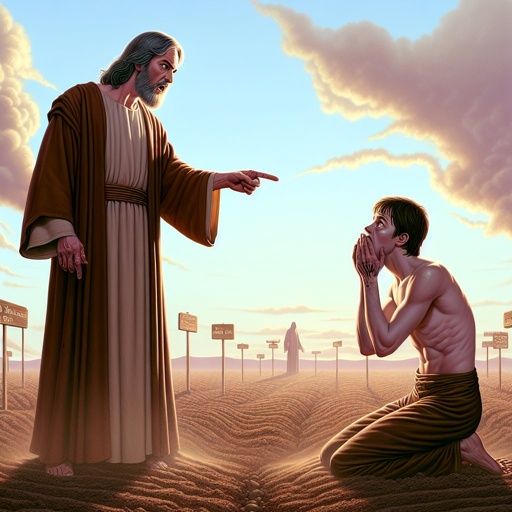
Luke 19:22 - "And he saith unto him, Out of thine own mouth will I judge thee, thou wicked servant. Thou knewest that I was an austere man, taking up that I laid not down, and reaping that I did not sow:"
"And he saith unto him, Out of thine own mouth will I judge thee, thou wicked servant. Thou knewest that I was an austere man, taking up that I laid not down, and reaping that I did not sow:" - Luke 19:22

Luke 22:19 - "¶ And he took bread, and gave thanks, and brake it, and gave unto them, saying, This is my body which is given for you: this do in remembrance of me."

Luke 10:18-19

Luke 13:18-19

Luke 10:18-19

Luke 10:18-19

Luke 10:17-19

Luke 13:18-19

Luke 10:18-19

Luke 10:18-19

Luke 10:18-19

Luke 10:17-19

luke 22:42

Luke 22:39

Luke 22:61,62

Luke 22:39

luke 22 44
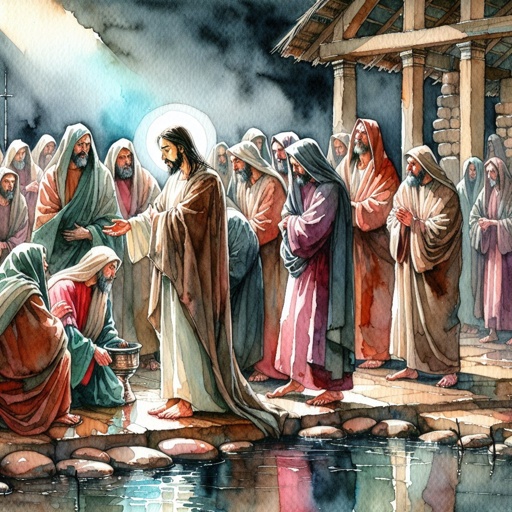
luke 22:42

Luke 22:42
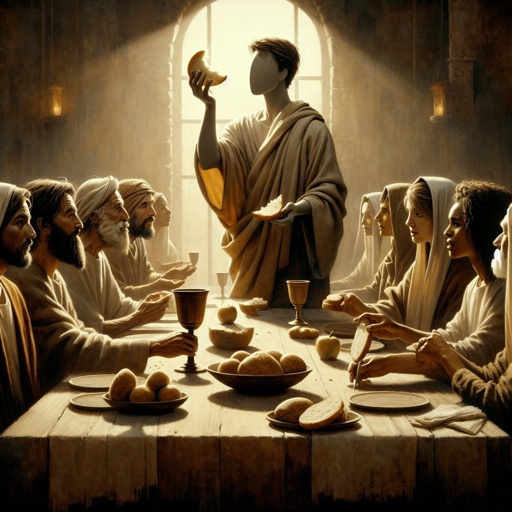
Luke 22:19-20 - "And he took bread, gave thanks and broke it, and gave it to them, saying, “This is my body given for you; do this in remembrance of me.” In the same way, after the supper he took the cup, saying, “This cup is the new covenant in my blood, which is poured out for you."

Luke 19:23

Luke 1:19

Luke 19:23

Luke 19:19 - "And he said likewise to him, Be thou also over five cities."

Luke 19:10

Luke 19:28

Luke 1:19
Luke 1:19

Genesis 22:19