What does Luke 19:42 mean?
“Saying, If thou hadst known, even thou, at least in this thy day, the things which belong unto thy peace! but now they are hid from thine eyes.” — Luke 19:42
The verse Luke 19:42 from the King James Version (KJV) of the Bible reads, "Saying, If thou hadst known, even thou, at least in this thy day, the things which belong unto thy peace! but now they are hid from thine eyes." This verse is spoken by Jesus as he weeps over Jerusalem, expressing his sorrow and disappointment over the city's rejection of him and their lack of understanding of the opportunity for peace that was being offered to them.
In order to truly understand the meaning and significance of this verse, it is important to explore the context in which it was spoken. In the preceding verses, Jesus enters Jerusalem and is greeted with great fanfare and celebration by the people. However, amidst this joyous occasion, Jesus weeps as he approaches the city, lamenting over the spiritual blindness and hardness of heart that the people of Jerusalem have displayed. He is deeply grieved by their rejection of him as the long-awaited Messiah, and he foresees the destruction that will come upon them as a result of their unbelief.
The central theme of this verse is the concept of missed opportunity and the consequences of spiritual blindness. Jesus is lamenting that the people of Jerusalem have failed to recognize the true significance of his coming and the opportunity for peace and salvation that it represents. They have turned a blind eye to the hope that was being offered to them and as a result, they are facing the impending judgement and destruction that will come upon them.
The phrase "the things which belong unto thy peace" in this verse refers to the message of salvation and reconciliation that Jesus came to bring. Through his life, death, and resurrection, Jesus offers the people of Jerusalem, and indeed all of humanity, the opportunity to experience true peace with God and the assurance of eternal life. However, the people's refusal to accept Jesus as the Messiah and their failure to recognize the significance of his ministry means that they are missing out on this opportunity for peace and are instead facing the looming judgement of God.
The phrase "but now they are hid from thine eyes" serves as a poignant reminder of the spiritual blindness and ignorance that has gripped the people of Jerusalem. Despite the clear evidence of Jesus' identity as the Son of God and the fulfillment of the prophecies about the Messiah, the people have chosen to turn away from the truth and as a result, they are unable to see the reality of their situation and the impending peril that awaits them.
From a symbolic perspective, this verse can be seen as a reflection of the broader spiritual condition of humanity. The rejection and spiritual blindness of the people of Jerusalem are representative of the human tendency to reject God's offer of salvation and to be blinded to the truth of the Gospel. The tears shed by Jesus over the city serve as a powerful reminder of God's deep love and compassion for humanity, even in the face of their rejection and disobedience.
Overall, Luke 19:42 serves as a sobering reminder of the consequences of spiritual blindness and the missed opportunities for peace and salvation that result from rejecting the message of Jesus. It highlights the importance of recognizing and responding to the offer of peace and reconciliation that God extends to us through his Son, and the sobering reality of the judgement that awaits those who choose to remain in spiritual darkness.
Get our apps


Artwork for Luke 19:42

Luke 19:42 - "Saying, If thou hadst known, even thou, at least in this thy day, the things which belong unto thy peace! but now they are hid from thine eyes."

"Saying, If thou hadst known, even thou, at least in this thy day, the things which belong unto thy peace! but now they are hid from thine eyes." - Luke 19:42
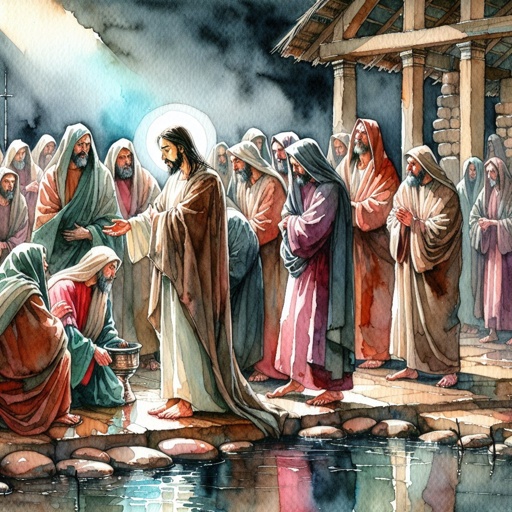
luke 22:42

Luke 22:42

Luke 24:42

luke 22:42

Joshua 19:42 - "And Shaalabbin, and Ajalon, and Jethlah,"

Luke 24:42 - "And they gave him a piece of a broiled fish, and of an honeycomb."

"And Shaalabbin, and Ajalon, and Jethlah," - Joshua 19:42

Luke 2:42 - "And when he was twelve years old, they went up to Jerusalem after the custom of the feast."

John 19:42 - "There laid they Jesus therefore because of the Jews' preparation day; for the sepulchre was nigh at hand."

Luke 18:42 - "And Jesus said unto him, Receive thy sight: thy faith hath saved thee."

Luke 22:42 - "Saying, Father, if thou be willing, remove this cup from me: nevertheless not my will, but thine, be done."

Luke 23:42 - "And he said unto Jesus, Lord, remember me when thou comest into thy kingdom."

Ezekiel 42:19 - "¶ He turned about to the west side, and measured five hundred reeds with the measuring reed."

Luke 10:42 - "But one thing is needful: and Mary hath chosen that good part, which shall not be taken away from her."
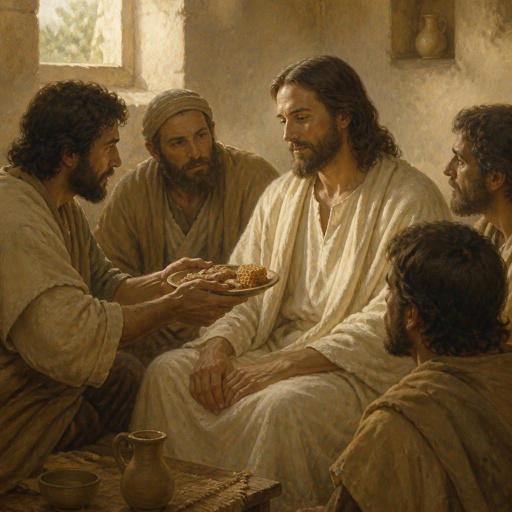
"And they gave him a piece of a broiled fish, and of an honeycomb." - Luke 24:42

Luke 1:42 - "And she spake out with a loud voice, and said, Blessed art thou among women, and blessed is the fruit of thy womb."

Luke 20:42 - "And David himself saith in the book of Psalms, The LORD said unto my Lord, Sit thou on my right hand,"
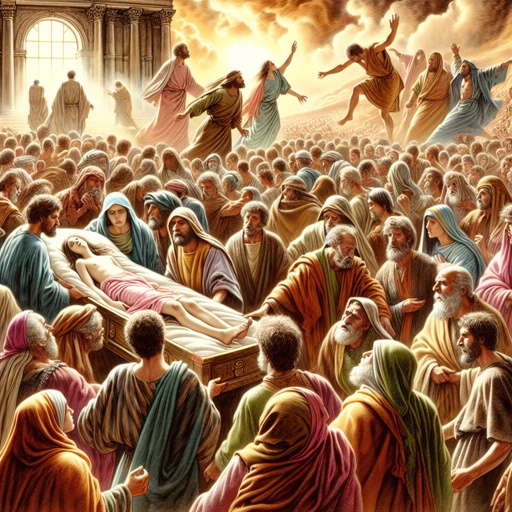
Luke 8:42 - "For he had one only daughter, about twelve years of age, and she lay a dying. But as he went the people thronged him."

Luke 7:42 - "And when they had nothing to pay, he frankly forgave them both. Tell me therefore, which of them will love him most?"

Luke 10:18-19

Luke 13:18-19

Luke 10:18-19

Luke 10:18-19

Luke 10:17-19

Luke 13:18-19

Isaiah 42:19 - "Who is blind, but my servant? or deaf, as my messenger that I sent? who is blind as he that is perfect, and blind as the LORD'S servant?"

Luke 10:18-19

Luke 10:18-19