What does Luke 1:20 mean?
"And, behold, thou shalt be dumb, and not able to speak, until the day that these things shall be performed, because thou believest not my words, which shall be fulfilled in their season." - Luke 1:20
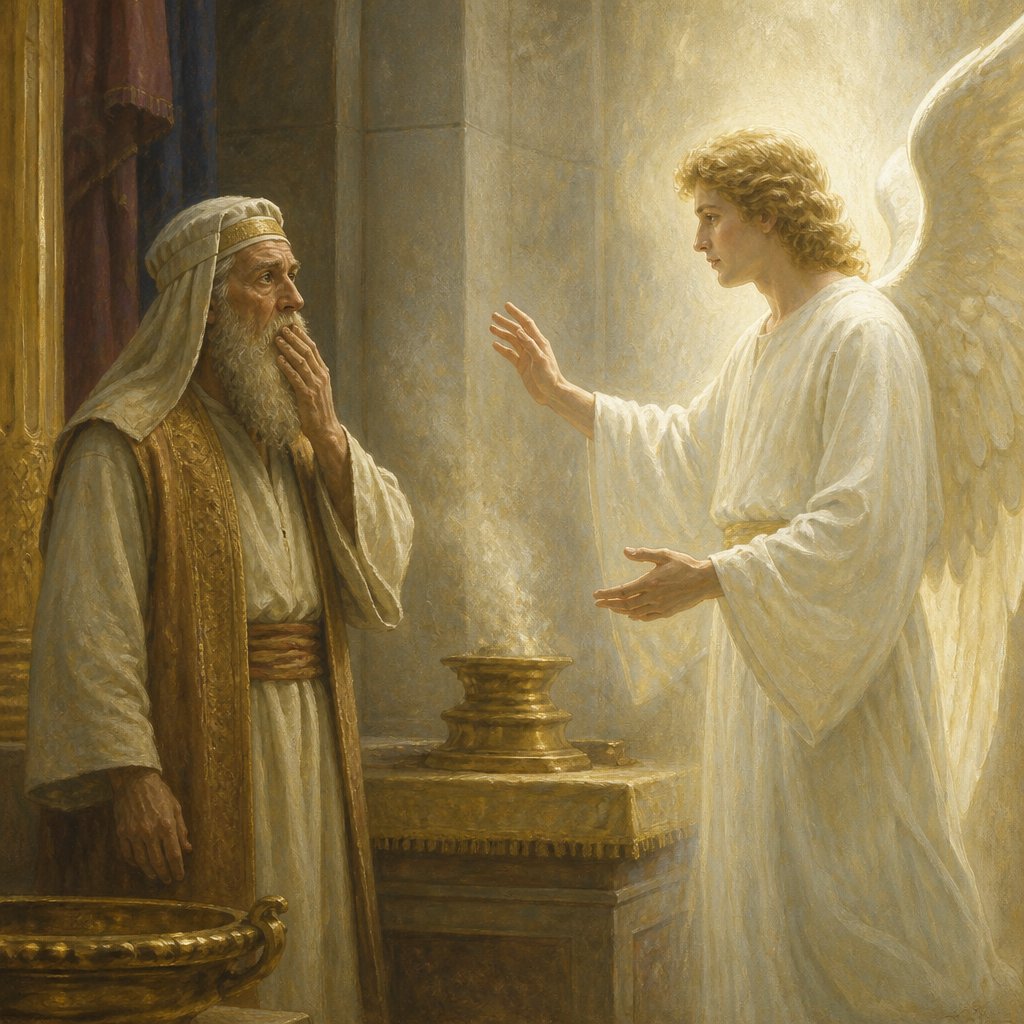
The Bible verse Luke 1:20 states, "And, behold, thou shalt be dumb, and not able to speak, until the day that these things shall be performed, because thou believest not my words, which shall be fulfilled in their season." This verse is part of the larger passage describing the angel Gabriel's visit to Zechariah, the father of John the Baptist.
In this verse, Gabriel is delivering a message to Zechariah that he will be struck dumb and unable to speak until the fulfillment of the prophecy that his wife Elizabeth will bear a son named John. This punishment is a consequence of Zechariah's disbelief in Gabriel's message. The context surrounding this verse is important for understanding its significance within the larger narrative of the Gospel of Luke.
The Gospel of Luke emphasizes the fulfillment of Old Testament prophecies and the arrival of Jesus as the long-awaited Messiah. In the preceding verses, Gabriel announces to Zechariah that his wife Elizabeth, who was previously unable to conceive, will bear a son who will "make ready a people prepared for the Lord" (Luke 1:17). Zechariah doubts the possibility of this happening due to his and Elizabeth's old age, prompting Gabriel's response in verse 20.
One of the key themes of this passage is the importance of faith and belief in God's promises. Zechariah's doubt leads to his punishment, demonstrating the consequences of questioning God's power and ability to fulfill His word. This theme resonates throughout the Gospel of Luke, as it repeatedly highlights the faith of individuals who encounter Jesus and are healed or saved as a result of their unwavering belief in His abilities.
The symbolism in this verse is significant as well. The temporary loss of Zechariah's ability to speak serves as a visual representation of the consequences of his doubt. It also parallels the biblical narrative of God using physical afflictions as a means of conveying a spiritual message. This motif is present in other biblical stories, such as the temporary blindness of Saul on the road to Damascus and the physical ailment of the Apostle Paul, all of which serve as tools for conveying a deeper spiritual truth.
Additionally, the concept of divine silence and the subsequent restoration of speech is a recurrent theme in the Bible. The silence imposed on Zechariah serves as a prelude to the miraculous fulfillment of God's promise in the birth of John the Baptist, as well as a reminder of the power of God to overcome human limitations.
In the broader context of the Gospel of Luke, this verse foreshadows the miraculous events surrounding the birth of John the Baptist and serves as a prelude to the even greater miracle of Jesus' birth. It sets the stage for the unfolding of God's redemptive plan through the birth, life, death, and resurrection of Jesus Christ.
In conclusion, Luke 1:20 captures a pivotal moment in the Gospel of Luke, highlighting the themes of faith, obedience, and the fulfillment of God's promises. Through the story of Zechariah and Elizabeth, the passage underscores the importance of trusting in God's word and the consequences of doubting His power. The symbolism of Zechariah's loss of speech and its subsequent restoration amplifies the spiritual significance of this verse within the broader narrative of God's redemptive plan for humanity.
Have questions about Luke 1:20?
Dive deeper into this scripture with Bible Chat — an AI-powered tool for exploring God's Word through conversation. Ask questions, get context, and grow in your understanding of the Bible.
Get Our Apps


Luke 1:20 Artwork

Luke 1:20 - "And, behold, thou shalt be dumb, and not able to speak, until the day that these things shall be performed, because thou believest not my words, which shall be fulfilled in their season."

Luke 1:20 But behold, you will be mute and not able to speak until the day these things take place, because you did not believe my words which will be fulfilled in their own time.”
"And, behold, thou shalt be dumb, and not able to speak, until the day that these things shall be performed, because thou believest not my words, which shall be fulfilled in their season." - Luke 1:20

Luke 2:1-20

Luke 20:27-38. All people of color.

Luke 13:20-21

Luke 13:20-21

Luke 20:1 - "And it came to pass, that on one of those days, as he taught the people in the temple, and preached the gospel, the chief priests and the scribes came upon him with the elders,"

Luke 13:20-21

Luke 13:20-21
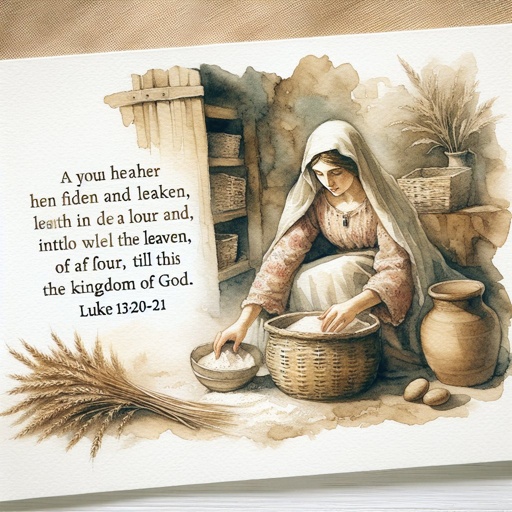
Luke 13:20-21

Luke 20:28

Luke 20:7 - "And they answered, that they could not tell whence it was."

Luke 20:32 - "Last of all the woman died also."
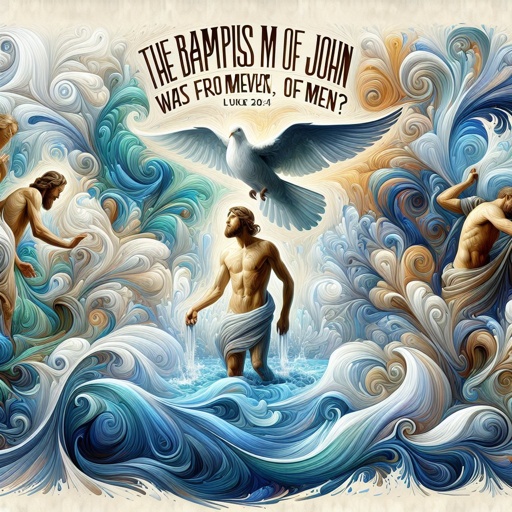
Luke 20:4 - "The baptism of John, was it from heaven, or of men?"

Luke 20:22 - "Is it lawful for us to give tribute unto Caesar, or no?"
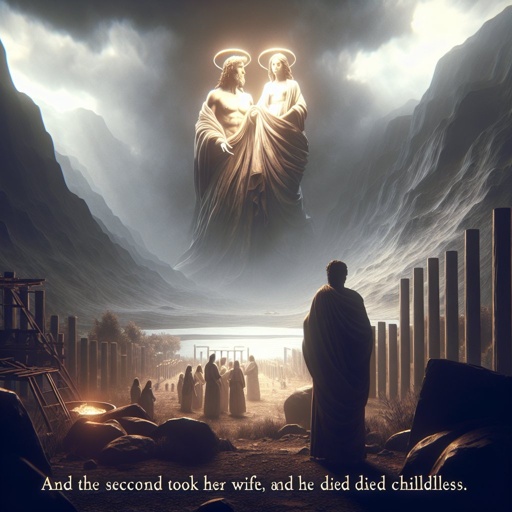
Luke 20:30 - "And the second took her to wife, and he died childless."

Luke 20:40 - "And after that they durst not ask him any question at all."

Luke 20:43 - "Till I make thine enemies thy footstool."

Luke 20:45 - "¶ Then in the audience of all the people he said unto his disciples,"

Luke 20:38 - "For he is not a God of the dead, but of the living: for all live unto him."

Luke 23:20 - "Pilate therefore, willing to release Jesus, spake again to them."

Luke 20:44 - "David therefore calleth him Lord, how is he then his son?"

Luke 20:41 - "And he said unto them, How say they that Christ is David's son?"

Luke 20:39 - "¶ Then certain of the scribes answering said, Master, thou hast well said."

Luke 13:20 - "And again he said, Whereunto shall I liken the kingdom of God?"

Luke 3:20 - "Added yet this above all, that he shut up John in prison."

"And they answered, that they could not tell whence it was." - Luke 20:7

Luke 20:23 - "But he perceived their craftiness, and said unto them, Why tempt ye me?"

Luke 20:34 - "And Jesus answering said unto them, The children of this world marry, and are given in marriage:"