What does Luke 1:40 mean?
“And entered into the house of Zacharias, and saluted Elisabeth.” — Luke 1:40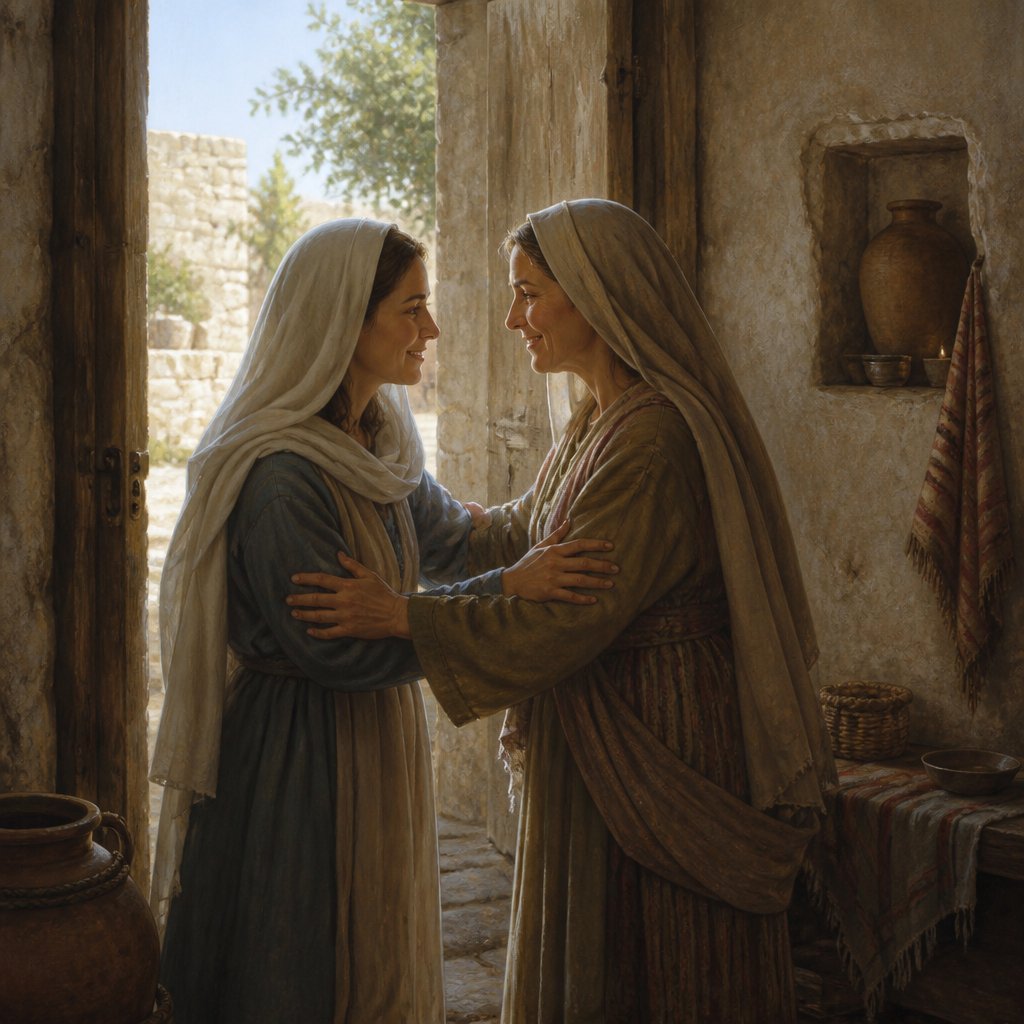
The Bible verse Luke 1:40 from the King James Version (KJV) reads, "And entered into the house of Zacharias, and saluted Elisabeth." This verse is a part of the narrative of the Annunciation, which is the angel Gabriel's visit to Mary to inform her of her divine pregnancy. The verse is significant as it marks the moment when Mary goes to visit her relative Elizabeth, who is also pregnant with John the Baptist.
The context of this verse is important for a full understanding of its meaning. In the previous verses, it is revealed that Mary has been chosen by God to bear His son, Jesus. After receiving this extraordinary news, Mary goes "into the hill country" to visit her cousin Elizabeth, who is also miraculously pregnant. Here, in verse 40, Mary enters into the house of Zacharias, Elizabeth's husband, and greets Elizabeth.
The theme of this verse revolves around the celebration of the miraculous pregnancy of both Mary and Elizabeth. The meeting of the two women is a powerful moment of recognition and affirmation of God's plan. It highlights the special bond between the two mothers and their unborn children. It also serves as an important symbol of faith, as the two women trust in God's divine plan for their lives and their children.
In a broader sense, this verse also emphasizes the importance of familial bonds and support. Mary and Elizabeth are relatives who share in each other's joy and sorrow. The visitation of Mary also serves as a display of love and compassion, as she is likely going to help Elizabeth in her time of need. This act illustrates the importance of caring for one another within the family and the community, a theme that is central to Christian values.
Symbolically, the meeting between Mary and Elizabeth also represents the meeting of the old and the new covenants. Elizabeth, being elderly and past the age of childbearing, represents the old covenant of the Jewish religion. Mary, on the other hand, symbolizes the new covenant through her role as the mother of Jesus, the Messiah. The meeting of these two women signifies the transition from the old to the new, from the law to grace, from the era of waiting to the fulfillment of God's promise.
Furthermore, the encounter between Mary and Elizabeth holds significance in terms of their respective pregnancies. Elizabeth's recognition of Mary as the mother of her Lord is indicative of the special nature of Mary's role in God's plan for salvation. This interaction is a confirmation of the divine origins of both pregnancies and emphasizes the interconnectedness of their children's destinies.
In conclusion, Luke 1:40, within the broader context of the Annunciation narrative, holds great significance in terms of themes, context, and symbolism. It speaks to the themes of faith, family, and the fulfillment of God's promises. It also symbolizes the transition from the old covenant to the new, and the divine nature of Mary's pregnancy. This verse serves as a reminder of God's providence and the interconnectedness of His plan for humanity.
Get our apps


Artwork for Luke 1:40

Luke 1:40 - "And entered into the house of Zacharias, and saluted Elisabeth."
"And entered into the house of Zacharias, and saluted Elisabeth." - Luke 1:40

Luke 20:40 - "And after that they durst not ask him any question at all."

Luke 9:40 - "And I besought thy disciples to cast him out; and they could not."

Luke 6:40 - "The disciple is not above his master: but every one that is perfect shall be as his master."

Luke 12:40 - "Be ye therefore ready also: for the Son of man cometh at an hour when ye think not."

Luke 22:40 - "And when he was at the place, he said unto them, Pray that ye enter not into temptation."

Luke 11:40 - "Ye fools, did not he that made that which is without make that which is within also?"

Luke 2:40 - "And the child grew, and waxed strong in spirit, filled with wisdom: and the grace of God was upon him."

Luke 24:40 - "And when he had thus spoken, he shewed them his hands and his feet."

Luke 8:40 - "And it came to pass, that, when Jesus was returned, the people gladly received him: for they were all waiting for him."

Luke 18:40 - "And Jesus stood, and commanded him to be brought unto him: and when he was come near, he asked him,"

Luke 23:40 - "But the other answering rebuked him, saying, Dost not thou fear God, seeing thou art in the same condemnation?"
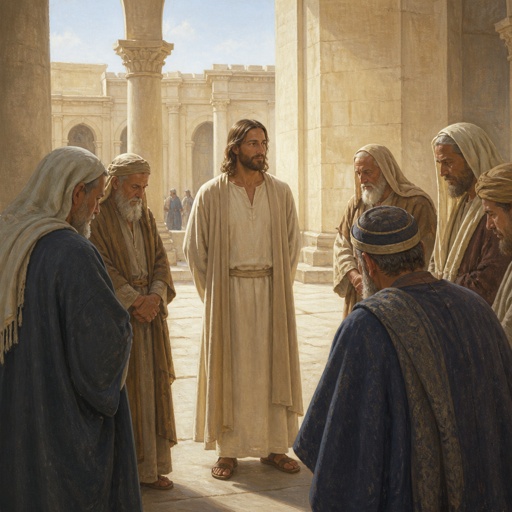
"And after that they durst not ask him any question at all." - Luke 20:40

Luke 7:40 - "And Jesus answering said unto him, Simon, I have somewhat to say unto thee. And he saith, Master, say on."

Luke 19:40 - "And he answered and said unto them, I tell you that, if these should hold their peace, the stones would immediately cry out."

Jeremiah 40
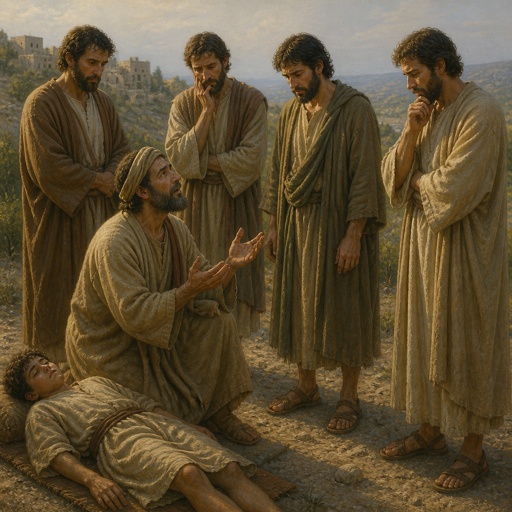
"And I besought thy disciples to cast him out; and they could not." - Luke 9:40

Isaiah 40:4

1 Corinthians 14:36-40

Luke 6:40 A disciple is not above his teacher, but everyone who is perfectly trained will be like his teacher.

1 Corinthians 14:39-40

Psalms 40: 1:-11

Luke 2:40 And the Child grew and became strong in spirit, filled with wisdom; and the grace of God was upon Him.
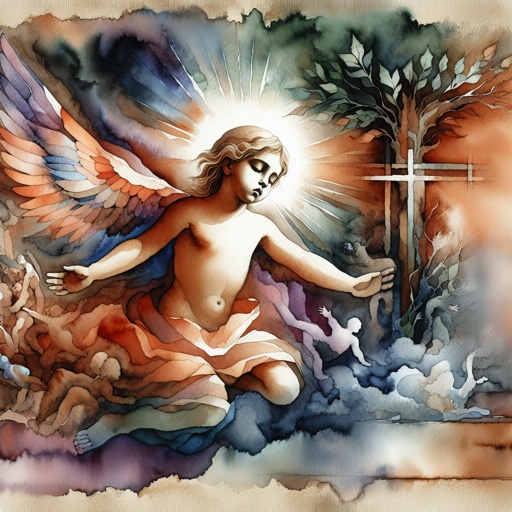
Luke 2:40 And the Child grew and became strong in spirit, filled with wisdom; and the grace of God was upon Him.

1 Esdras 1:40 KJVA (40) Wherefore against him Nabuchodonosor the king of Babylon came up, and bound him with a chain of brass, and carried him into Babylon.

Exodus 40:1 - "And the LORD spake unto Moses, saying,"
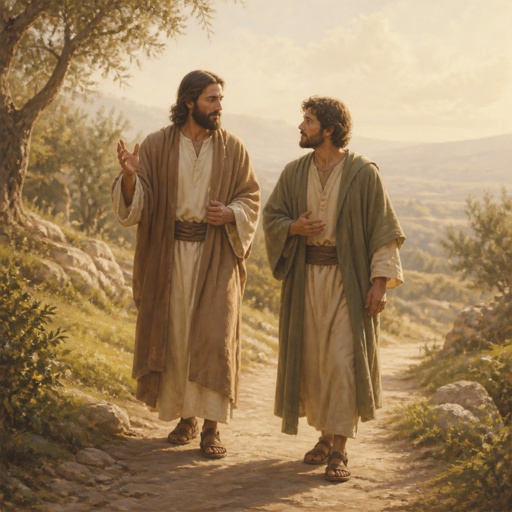
"The disciple is not above his master: but every one that is perfect shall be as his master." - Luke 6:40

1 Samuel 17:38-40

Job 40:1 - "Moreover the LORD answered Job, and said,"