What does Luke 1:72 mean?
“To perform the mercy promised to our fathers, and to remember his holy covenant;” — Luke 1:72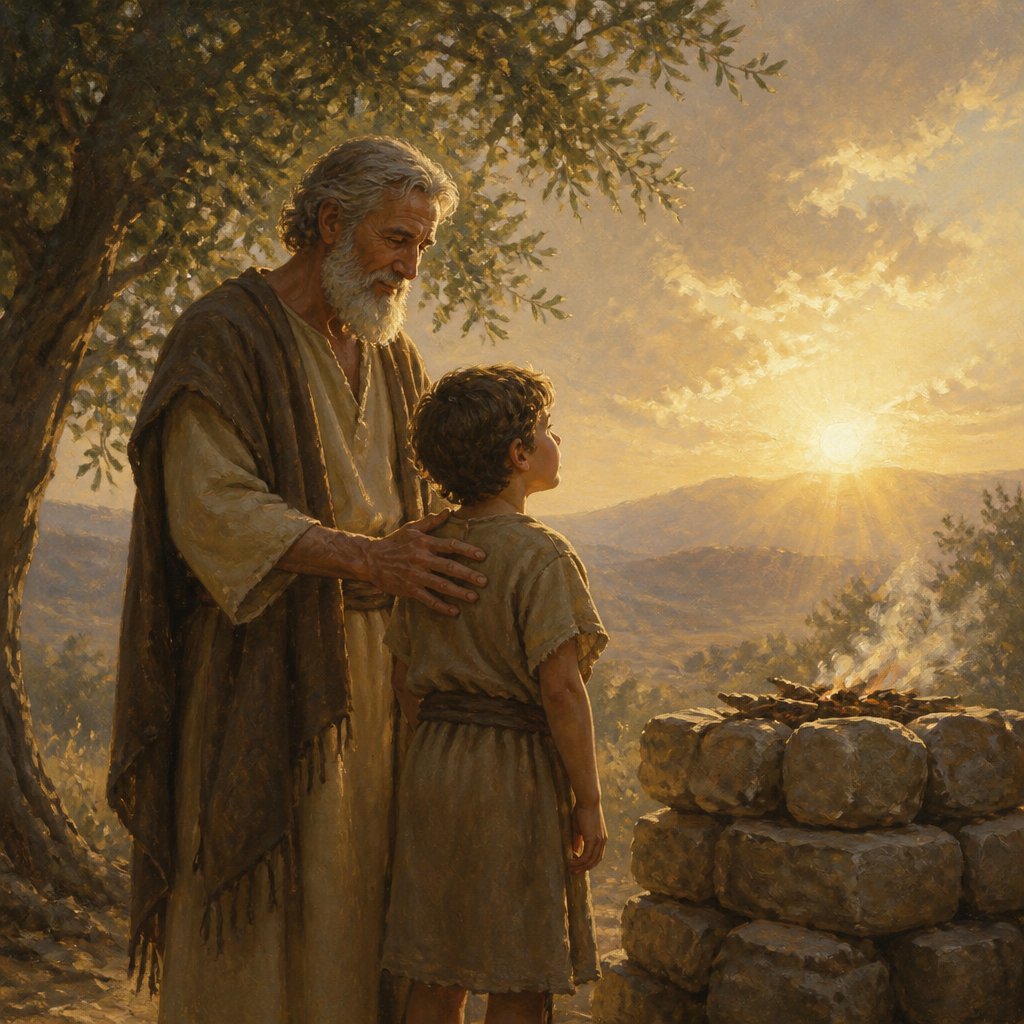
Luke 1:72 (KJV) reads, "To perform the mercy promised to our fathers, and to remember his holy covenant." This verse is a part of the song of Zechariah, the father of John the Baptist, who praised God for fulfilling his promise to send a Messiah.
The context of this verse is crucial in understanding its significance. Zechariah and his wife Elizabeth were both well advanced in years, and they were childless. However, an angel appeared to Zechariah and announced that his wife would bear a son who would be a prophet, preparing the way for the Lord. Zechariah was struck mute because he doubted the angel's words, but when his son was born and he confirmed the name John, his tongue was loosened, and he was able to praise God in the form of this song.
In Luke 1:72, Zechariah reflects on God's promise of mercy to the fathers of Israel and his covenant with his people. This verse echoes the Old Testament promises made by God to the patriarchs, such as Abraham, Isaac, and Jacob. Throughout the Old Testament, God made covenants with his people, promising to bless them and make them a great nation if they remained faithful to him. These promises included the coming of a Messiah who would bring salvation to the people.
The theme of God's faithfulness and his fulfillment of promises is central to this verse. It reflects the overarching theme of the Bible, which is God's faithfulness to his people throughout history. Even when the Israelites were unfaithful, God remained true to his promises and showed them mercy. The birth of John the Baptist and the impending arrival of Jesus are evidence of God's continuous faithfulness to his people.
This verse also holds deep symbolic meaning. The idea of mercy promised to the fathers represents God's enduring compassion and forgiveness towards his people. Despite their shortcomings and failures, God is always willing to extend mercy to those who turn to him. The concept of remembering his holy covenant signifies God's commitment to upholding his promises, even when the people do not deserve it. This idea of remembering the covenant implies that God's faithfulness is not dependent on the actions of his people but rather on his own nature.
The verse also points to the fulfillment of the prophecies and promises of the Old Testament. The arrival of John the Baptist and ultimately Jesus as the Messiah is the culmination of God's plan for redemption and salvation. Through these events, God is demonstrating his faithfulness to his covenant and his mercy towards his people.
In conclusion, Luke 1:72 (KJV) encapsulates the themes of God's faithfulness, mercy, and the fulfillment of his promises. It serves as a reminder of God's enduring love for his people and his commitment to upholding his covenant. This verse not only speaks to the historical context of Zechariah and the birth of John the Baptist but also carries profound theological significance in the broader narrative of the Bible. It is a testament to God's unwavering faithfulness and his continuous fulfillment of his promises throughout history.
Get our apps


Artwork for Luke 1:72

Luke 1:72 - "To perform the mercy promised to our fathers, and to remember his holy covenant;"

Luke 1:72-73 - "to show mercy to our ancestors and to remember his holy covenant, the oath he swore to our father Abraham."

"To perform the mercy promised to our fathers, and to remember his holy covenant;" - Luke 1:72
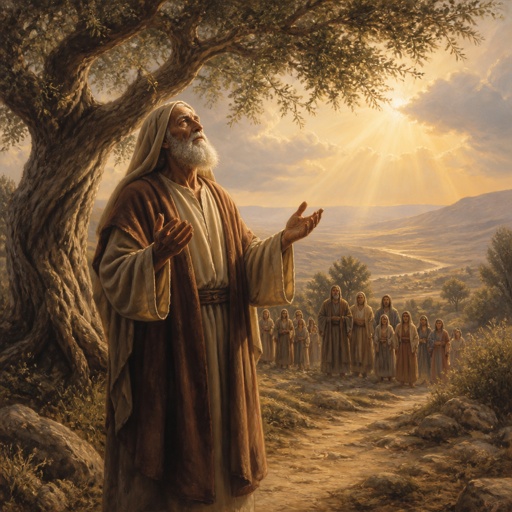
"to show mercy to our ancestors and to remember his holy covenant, the oath he swore to our father Abraham." - Luke 1:72-73

1 Chronicles 6:72 - "And out of the tribe of Issachar; Kedesh with her suburbs, Daberath with her suburbs,"

Psalms 72:1 - "Give the king thy judgments, O God, and thy righteousness unto the king's son."
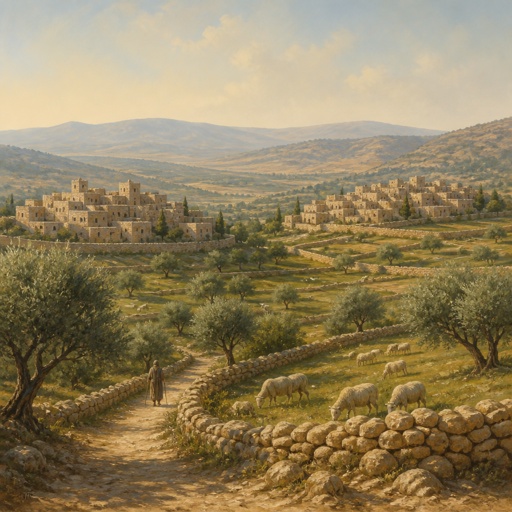
"And out of the tribe of Issachar; Kedesh with her suburbs, Daberath with her suburbs," - 1 Chronicles 6:72
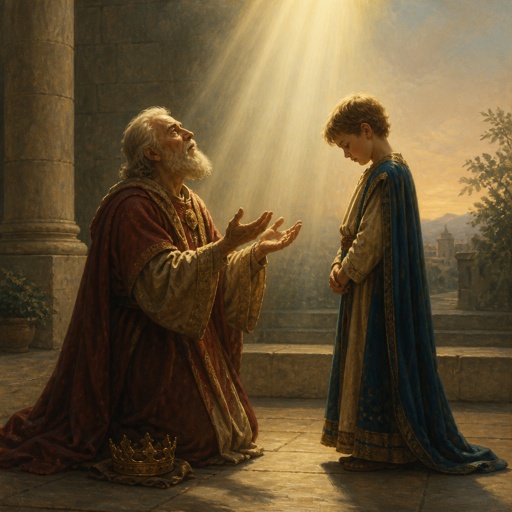
"Give the king thy judgments, O God, and thy righteousness unto the king's son." - Psalms 72:1

Luke 1:1

Luke 1:31

Luke 1:26

luke 1:26

Luke 1:13

luke 1:26

luke 1:27

luke 1:29
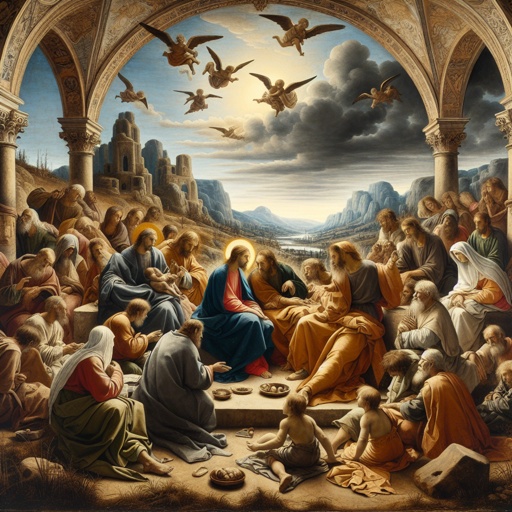
Luke:1

Luke 2.12

Luke 19:1-10

Luke 2:1-20

Luke 19:1-10

Luke 1:32

Luke 1:32

Luke 1:32

Luke 1:32

Luke 1:32

Luke 1:32

Luke 1:25

Luke 1:30
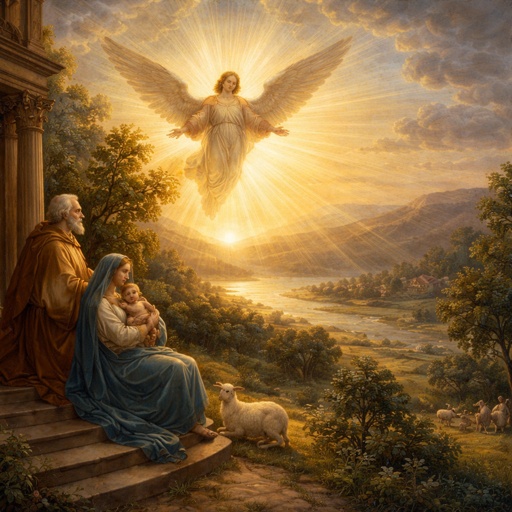
Luke 1:78